

A Practical Guide to the 1994-2002 Dodge Ram 1500 Alternator
Understand the unique charging system in your Ram to choose the right replacement part and avoid misdiagnosis.
- Confirm the problem isn't the PCM's voltage regulator before replacing the alternator to avoid wasted money and effort.
- Verify your truck's original alternator amperage (90A, 117A, or 136A) and buy a replacement with an equal or greater rating.
- Choose a quality remanufactured unit from a brand like Bosch or Denso over a cheap, new, no-name alternator for better reliability.
- Always disconnect the battery before starting the replacement and ensure the battery is fully charged before installing the new part.
Is Your Alternator Failing?

A bad alternator can leave you stranded. When it fails, your truck's electrical systems run solely off the battery, which will drain quickly. Watch for these common symptoms:
- Dimming or Flickering Lights: Headlights and dashboard lights may dim, flicker, or pulse, especially at idle.
- Warning Lights: The 'BATT' or 'GEN' light may illuminate on your dash. On these Rams, a 'CHECK GAGES' light is also common as the voltage meter drops.
- Weak or Dead Battery: The truck may be slow to crank or require frequent jump-starts because the alternator isn't recharging the battery.
- Strange Noises: A grinding or whining sound from the front of the engine can indicate failing bearings inside the alternator.
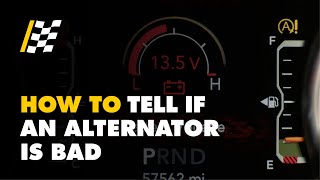
- Electrical Problems: The radio, power windows, or other accessories may act up or stop working entirely. 🎬 Watch: How to tell if your alternator is failing
Warning: Is It Your Alternator or Your PCM?
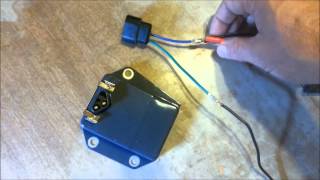
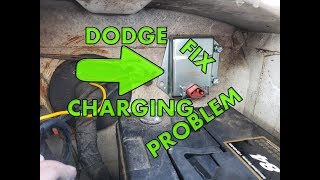
A very common issue on 1994-2002 Rams is confusing a bad alternator with a failed voltage regulator. Since the voltage regulator is inside the Powertrain Control Module (PCM), a charging problem could be caused by either part. If you replace the alternator and the problem persists (either no charging or over-charging), the voltage regulator circuit in the PCM is the likely culprit. Some owners, faced with a costly PCM replacement, opt to install an external universal voltage regulator 🎬 See how to bypass the PCM with an external regulator as a workaround. Always perform a full diagnostic test before buying parts.
Choosing the Right Aftermarket Alternator

When shopping for a replacement, you have several choices. For this specific truck, a high-quality remanufactured unit is often a better choice than a cheap, new, no-name part.
1. Check Your Amperage
Your Ram came with one of several alternator amperage ratings depending on the engine and options package (like towing). Common ratings for gasoline engines are 90, 117, or 136 amps. It is critical to match or exceed your original amperage. Installing an alternator with a lower rating can cause it to fail prematurely. You can find the amperage on a sticker on your original alternator or by calling a dealership with your VIN.
Pro Tip: When to Upgrade
If you have added high-powered accessories like a winch, off-road lights, or a large audio system, consider a high-output alternator. These can provide 200 amps or more to handle the extra electrical load. Upgrading often requires also upgrading the main power and ground wires, known as the 'Big 3' upgrade.
2. Aftermarket Brand Quality
Not all aftermarket brands are created equal. Based on owner experiences and mechanic recommendations, brands can be grouped into tiers:
- Premium Tier (OEM Quality): Brands like Bosch and Denso are often the original equipment manufacturers for Chrysler. Choosing a new or remanufactured unit from these brands offers the highest likelihood of long-term reliability.
- Quality Tier: Brands like Remy and ACDelco have a solid reputation and are a good balance of quality and cost.
- Standard Tier: Brands like WAI Global, MPA, and store brands (e.g., Duralast) can be a budget-friendly option. Quality can be inconsistent, but many come with lifetime warranties. This means if it fails, you can get a free replacement, but you will be doing the labor again.
Known Issues & Recalls

There was one notable recall for this generation. Recall NHTSA 02V-042 (Chrysler B04) was issued for some 2001 models. It warned that an electrical wire from the alternator to the power distribution center could loosen, posing a fire risk. While this was specific to one model year, it highlights the importance of ensuring all electrical connections are clean and tight during installation.
Cost of Replacing a Dodge Ram 1500 Alternator
| Part Type | Estimated Cost |
|---|---|
| New Aftermarket | $120 - $450 |
| Remanufactured Aftermarket | $80 - $250 |
| Shop Labor | $100 - $200 |
(Prices are estimates and do not include taxes or potential core charges for remanufactured parts.)
Frequently Asked Questions

Can I replace the alternator myself?
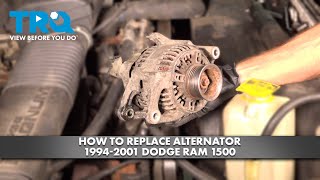
Yes, this is a DIY-friendly job for someone with basic tools and mechanical experience. The alternator is located at the top front of the engine and is relatively easy to access. The process involves disconnecting the battery, releasing the serpentine belt tension, removing a few bolts, and swapping the electrical connections. The estimated time is 1-2 hours.
🎬 Follow this step-by-step guide to replace your alternatorWhat tools do I need to replace the alternator?
You will need a basic socket and ratchet set (common sizes are 10mm, 13mm, 15mm), a wrench for the serpentine belt tensioner (often 15mm or a 1/2" drive), and a wire brush for cleaning connections. Always disconnect the negative battery terminal before starting.
What's the difference between a new and a remanufactured alternator?
A new alternator is made with all-new components. A remanufactured alternator has been completely disassembled, cleaned, and had its common wear items (like bearings, brushes, and diodes) replaced with new parts before being tested to meet original specifications. For this truck, a quality remanufactured unit from a top brand like Bosch or Denso is often a more reliable choice than a cheap, unbranded new unit.
How do I test my alternator before replacing it?
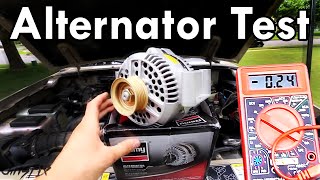
With the engine running, use a multimeter to test the voltage across your battery terminals. A healthy charging system should read between 13.5 and 14.5 volts. If the reading is closer to 12 volts or less, the alternator is likely not charging. Most auto parts stores offer free bench testing if you bring the alternator to them.
Helpful Videos

Technical Specifications
OEM Part Numbers: 56028237 56028237AB 56028238
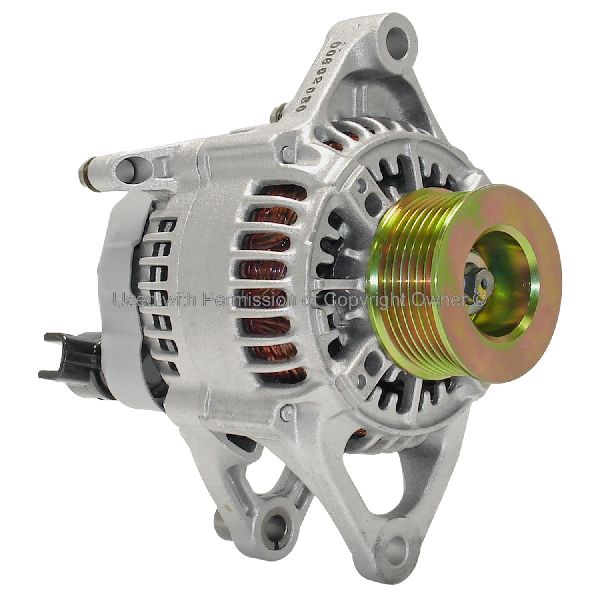
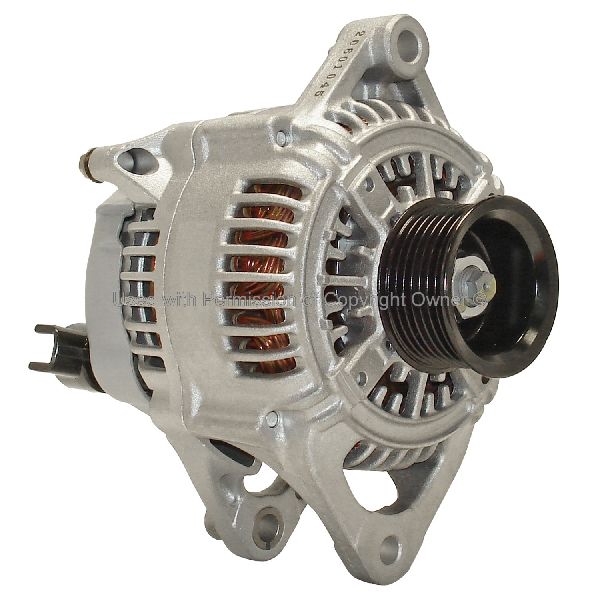
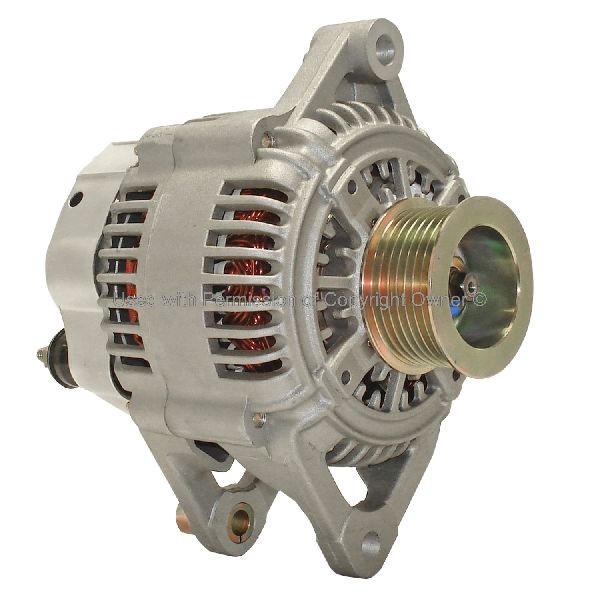
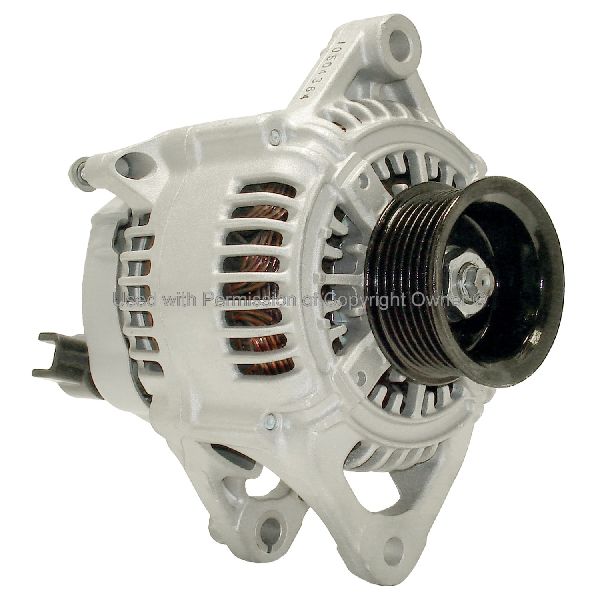
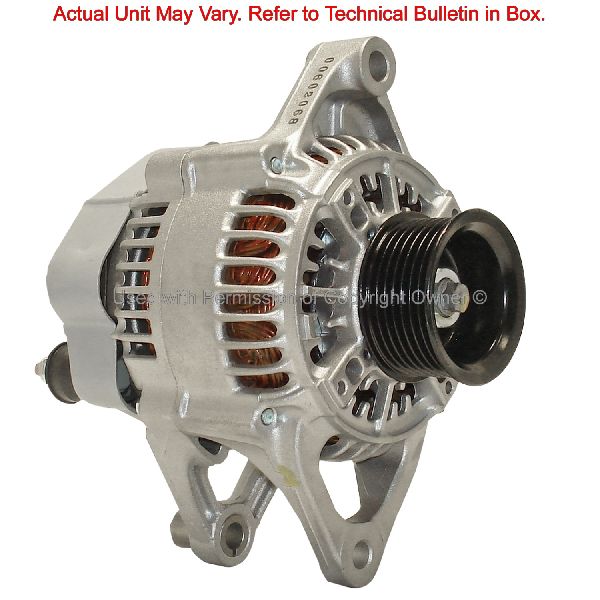
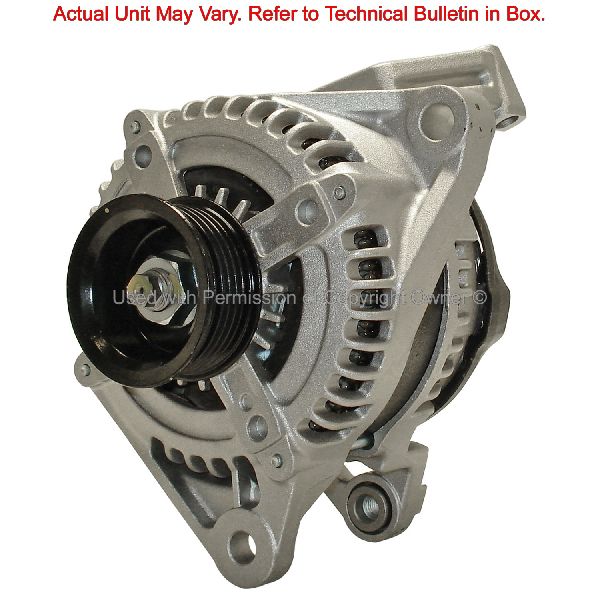
Common Amperage Ratings: 90A, 117A, 136A. Voltage: 12V. Regulator: External (Located in PCM). Rotation: Clockwise. Pulley: 6-Groove or 7-Groove Serpentine.
We Have This Part in Stock

The information in this article is provided for general reference and educational purposes only. Vehicle specifications, procedures, and part compatibility can vary by production date, trim level, and region. Always consult your vehicle's factory service manual and verify part numbers before purchasing or performing repairs. Safety-critical components such as airbags, seat belts, and braking systems should be installed by a qualified professional.
- Dodge Ram 1500:
- 🎬 Helpful Videos
- 🛍️ Shop This Part
- Is Your Alternator Failing?
- Warning: Is It Your Alternator or Your PCM?
- Choosing the Right Aftermarket Alternator
- 1. Check Your Amperage
- Pro Tip: When to Upgrade
- 2. Aftermarket Brand Quality
- Known Issues & Recalls
- Cost of Replacing a Dodge Ram 1500 Alternator
- Frequently Asked Questions
- 🎟️ Get 5% Off