

Accessory Drive Belt Guide for the 1994-2002 Ford Ranger
Keep your Ranger's accessories running smoothly by understanding when and how to replace a worn-out accessory drive belt.
- A squealing noise is the most common early warning sign of a failing belt.
- Always inspect the belt tensioner and idler pulleys when replacing the belt; a bad pulley can destroy a new belt.
- Verify your Ranger's engine size (2.3L, 2.5L, 3.0L, 4.0L) and A/C status before buying, as belt lengths differ.
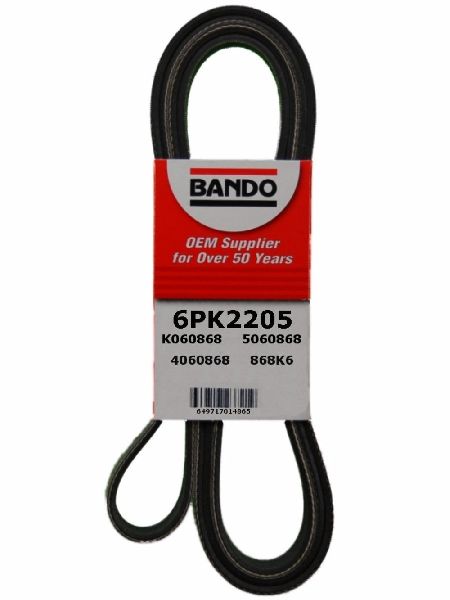
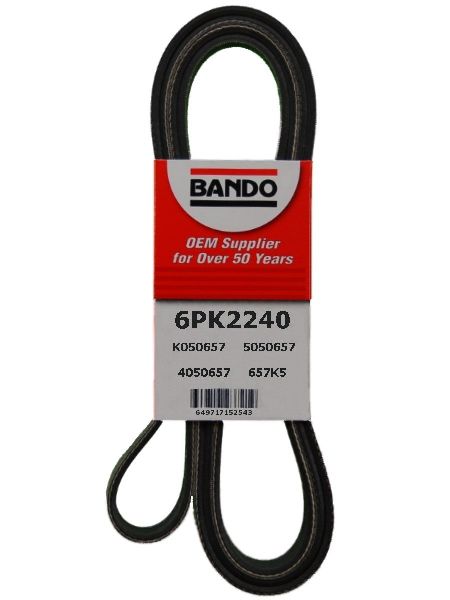
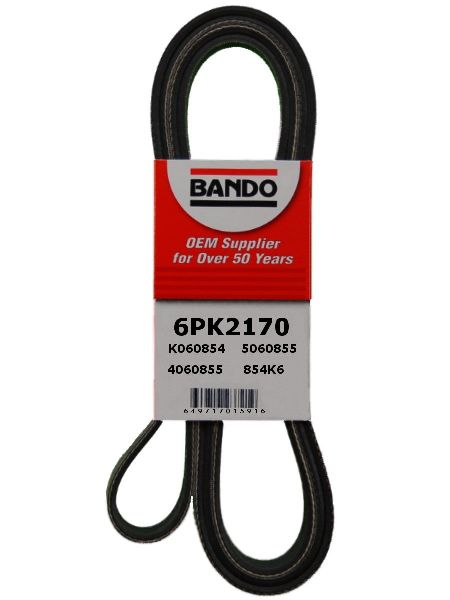
- Premium aftermarket brands like Bando and Continental are highly recommended by mechanics and owners for this truck.
Is Your Ranger's Accessory Belt Failing?
A failing accessory drive belt rarely breaks without warning. For a 1994-2002 Ford Ranger, the signs are usually audible or visible. Being aware of these symptoms can prevent you from being stranded by a broken belt, which can cause a loss of power steering and engine overheating.
Choosing the Right Aftermarket Belt
When replacing the accessory belt on your Ranger, you have several quality aftermarket options besides the original Motorcraft part. The key is to choose a belt made from EPDM (ethylene propylene diene monomer) rubber, which resists cracking and heat better than older neoprene belts.
Brand Quality Tiers:
- OEM / Premium Aftermarket (Motorcraft, Bando, Continental): Motorcraft is the original Ford part and a reliable benchmark for fit and quality. Bando is a well-regarded brand, often an original equipment manufacturer for many vehicles, and is considered a top-tier choice. Continental (formerly Goodyear Gatorback) is another premium option frequently recommended by mechanics for its quiet operation and durability.
- Quality Aftermarket (ACDelco, Gates): ACDelco and Gates are reputable brands that produce reliable belts. While some users report a decline in Gates' quality over the years, they are generally considered a solid choice for daily use.
- Standard Aftermarket (Dayco): Dayco is a widely available brand. While some owners use them without issue, others have reported noise and shorter lifespans compared to premium brands.
Pro Tip: Check the Pulleys and Tensioner
A worn-out belt is often a symptom of another problem. Before installing a new belt, spin each pulley by hand (with the old belt removed). They should spin freely and quietly. If you hear grinding or feel roughness, the pulley bearing is failing. Also, inspect the belt tensioner; it should keep firm pressure on the belt and not show excessive movement while the engine is running. Replacing a worn tensioner or idler pulley at the same time as the belt can prevent your new belt from failing prematurely.
🎬 See how to replace the belt and idler pulley on 2.5L models.Common Ordering Mistakes
The 1994-2002 Ford Ranger was available with several engines (2.3L, 2.5L, 3.0L, 4.0L) and with or without air conditioning. Each combination requires a specific belt length. Always verify your truck's engine size and A/C configuration before ordering 🎬 Watch this step-by-step belt replacement for the 3.0L V6 engine. to ensure you get the correct part. The belt routing diagram is often found on a sticker in the engine bay.
| Item | Estimated Cost |
|---|---|
| New Aftermarket Belt | $23 - $74 |
| Shop Labor | $37 - $54 |
| Total Professional Replacement | $80 - $109+ |
Frequently Asked Questions (FAQ)
How often should I replace my Ranger's accessory belt?
A general recommendation is to inspect the belt every 40,000 miles and replace it around every 100,000 miles, or sooner if you see signs of wear. Look for cracks, fraying, glazing (a shiny surface), or contamination from oil or coolant.
Can I replace the accessory belt myself?
Yes, this is a common DIY job for many Ranger owners. The main tool required is a 3/8" or 1/2" drive breaker bar or ratchet to release the tension on the automatic belt tensioner. The most difficult part is often routing the new belt correctly around all the pulleys and the engine fan.
What is the difference between a serpentine belt and an accessory drive belt?
They are the same thing. "Serpentine belt" refers to the snake-like path the belt takes through the engine's pulleys. "Accessory drive belt" refers to its function of driving the accessories.
What does a bad belt tensioner sound like?
A bad tensioner can cause a squealing or chirping noise as the belt slips, or a growling/whirring noise from its internal bearing failing. You might also see the tensioner arm vibrating excessively while the engine is running.
🎬 Learn how to identify the symptoms of a failing belt tensioner.Helpful Videos
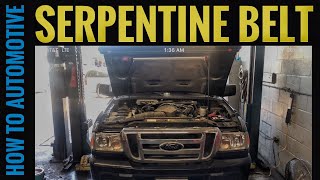
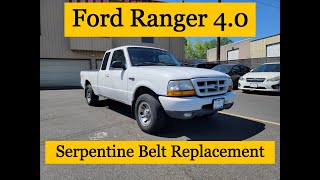
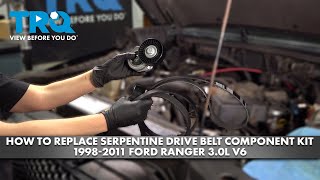
Technical Specifications
OEM Part Numbers: 4L5Z-8620-EA JK6-873-EA
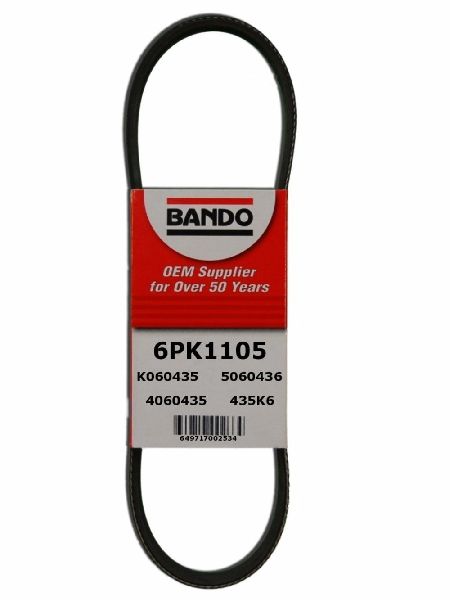
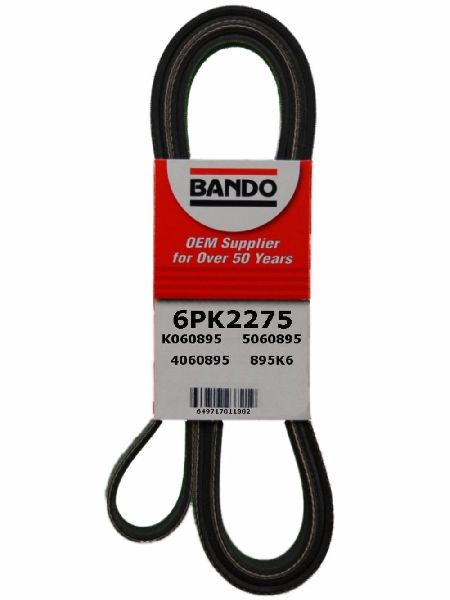
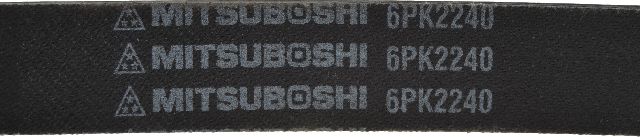
The belt is a multi-ribbed (poly-v) design. The number of ribs and the overall length vary depending on the specific engine (2.3L 4-Cyl, 2.5L 4-Cyl, 3.0L V6, 4.0L V6) and whether the vehicle is equipped with air conditioning.
We Have This Part in Stock

The information in this article is provided for general reference and educational purposes only. Vehicle specifications, procedures, and part compatibility can vary by production date, trim level, and region. Always consult your vehicle's factory service manual and verify part numbers before purchasing or performing repairs. Safety-critical components such as airbags, seat belts, and braking systems should be installed by a qualified professional.
- Ford Ranger: