

Honda Accord A/C Receiver Drier Guide (1994-2002)
Everything you need to know about replacing the A/C receiver drier on your 5th or 6th generation Honda Accord.
- The receiver drier MUST be replaced any time the A/C system is opened for service.
- Failure to replace the drier can cause moisture damage to new, expensive components like the A/C compressor.
- Denso is an OEM supplier for Honda and is a top-tier choice for aftermarket replacement.
- While the part is inexpensive, replacement requires specialized A/C equipment, making it a job for a professional shop.
Is Your Accord's A/C Receiver Drier Failing?

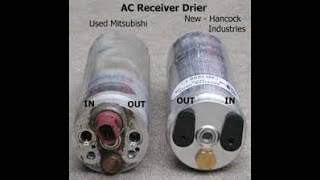
A failing receiver drier can cause several problems in your Accord's A/C system. Because it's designed to absorb moisture, it has a limited lifespan. It's considered a maintenance item that should be replaced anytime the A/C system is opened for repairs.
Common Failure Symptoms:
- Poor Cooling Performance: If the drier is clogged with debris or the desiccant material is saturated, it can restrict refrigerant flow, leading to weak or no cold air from the vents. 🎬 Learn more about troubleshooting and servicing your Accord's A/C.
- Moldy or Musty Smell: When the drier can no longer absorb moisture, mold and mildew can grow in the A/C system, causing a bad smell when you turn on the air.
- Refrigerant Leaks: While less common for the drier itself to leak, the seals and fittings can fail, leading to visible refrigerant oil leaks around the canister or under the car.
- Rattling Noises: If the desiccant bag inside breaks apart or other internal components fail, you might hear a rattling sound from the engine bay when the A/C is on.
- Frost on A/C Parts: A severe clog in the receiver drier can cause a large pressure drop, leading to frost forming on the drier itself or on A/C lines.
Important Replacement Rule
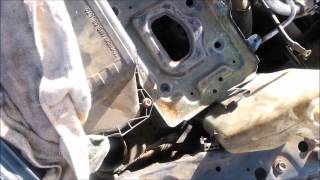
The receiver drier must be replaced every time the A/C system is opened to the atmosphere. This includes replacing a compressor, condenser, or leaking hose. 🎬 See how to remove A/C lines and the condenser. The desiccant inside instantly starts absorbing moisture from the air, and once it's saturated, it's useless. Most A/C compressor warranties require a new receiver drier to be installed for the warranty to be valid.
Choosing the Right Aftermarket Receiver Drier for Your Accord

For the 1994-2002 Honda Accord, you have several good aftermarket options. Since this is a maintenance part designed to be replaced, you don't necessarily need to pay the premium for a genuine Honda part. Aftermarket brands offer a good balance of quality and value.
Brand Tiers
- Tier 1 (OEM Supplier Quality): Denso is a well-known original equipment manufacturer (OEM) for Honda. Choosing a Denso receiver drier is the closest you can get to the original part's quality and fitment, often at a lower price than the dealer part.
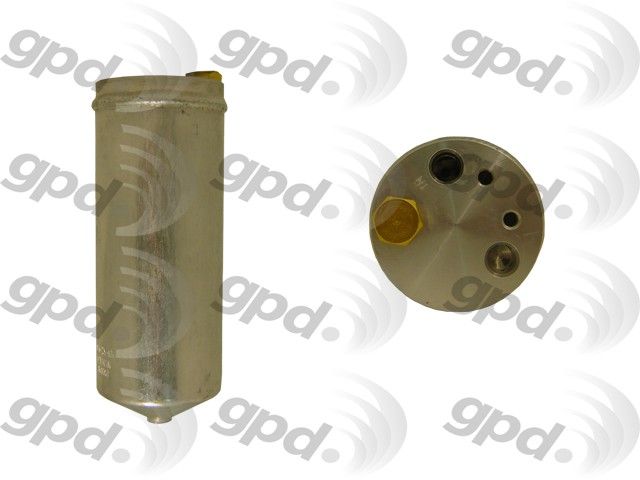
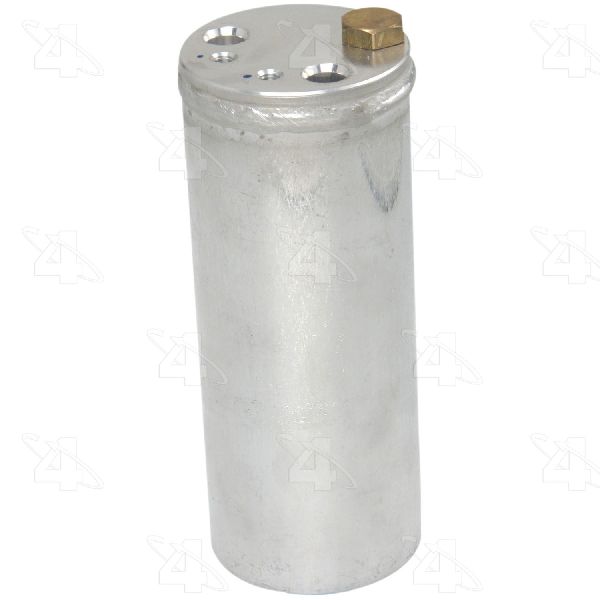
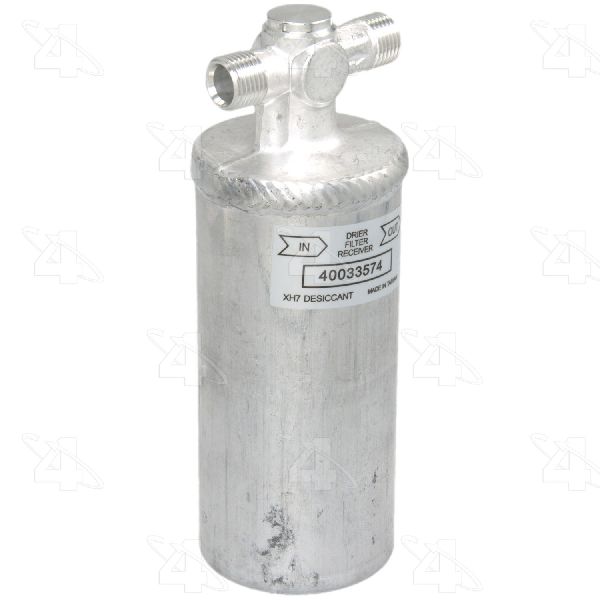
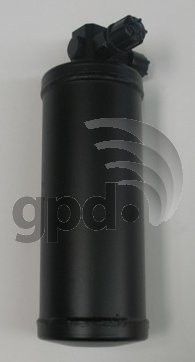
- Tier 2 (Reputable Aftermarket): Four Seasons and Global Parts (GPD) are established aftermarket brands. They offer reliable replacement parts that meet or exceed original specifications. Many technicians use these brands with good results.
Pro Tip: Since Denso was an OEM supplier for Honda, a Denso-branded part is a safe and high-quality bet for your Accord. However, for a simple filter part like a receiver drier, reputable brands like Four Seasons also provide excellent value and reliability.
Aftermarket A/C Receiver Drier Cost for 1994-2002 Honda Accord

The cost for the part itself is quite reasonable. The main expense in replacing a receiver drier is the labor, which involves recovering the old refrigerant, installing the part, pulling a vacuum on the system, and recharging it with the correct amount of new refrigerant.
| Item | Estimated Cost |
|---|---|
| New Aftermarket A/C Receiver Drier | $21.50 - $64.71 |
| Shop Labor (including system evacuation and recharge) | $232 - $341 |
| Total Professional Replacement | $253 - $406 |
Note: Labor costs can vary significantly by location. The total cost is an estimate combining the provided part price range and sourced labor estimates.
Frequently Asked Questions (FAQ)

When should I replace my Accord's receiver drier?
You should replace the receiver drier every two years as preventative maintenance or, more importantly, any time the A/C system is opened for a repair, like replacing the compressor or a hose. Failure to do so will contaminate your new parts and void most warranties.
Can I replace the A/C receiver drier myself?
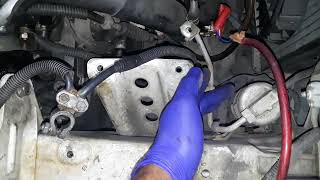
Physically replacing the part is not very difficult for a DIYer; on a 1994-1997 Accord, it's located behind the battery tray. 🎬 Watch a step-by-step guide on replacing the receiver drier. However, the job requires specialized equipment to safely recover the old refrigerant and to vacuum and recharge the system. It is illegal to release refrigerant into the atmosphere. For this reason, this job is best left to a professional shop with the proper A/C service machine.
Are there any recalls on the 1994-2002 Accord A/C system?
Searches of the NHTSA database and other sources did not find any specific recalls or widespread Technical Service Bulletins (TSBs) for the A/C receiver drier on the 1994-2002 Honda Accord. Later model Accords had warranty extensions for faulty condensers, but this does not apply to this generation.
What's the difference between a receiver/drier and an accumulator?
They perform similar functions but are used in different types of A/C systems. Your 1994-2002 Honda Accord uses a system with an expansion valve, which requires a receiver/drier. Systems with an orifice tube use an accumulator. You will not have both.
Helpful Videos
Technical Specifications
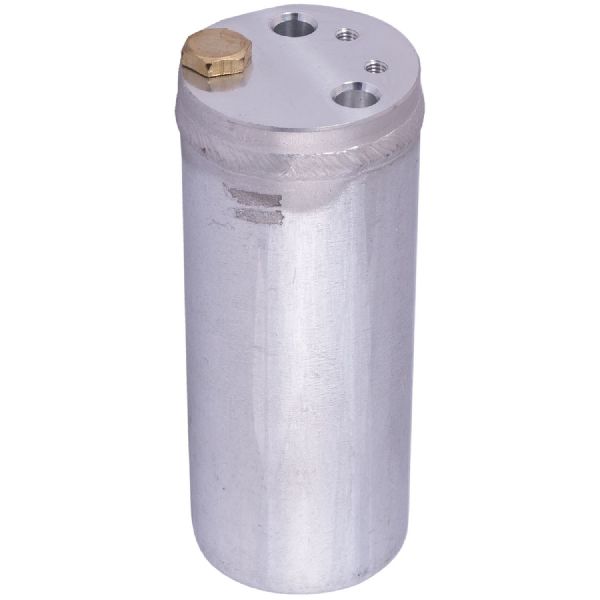
This part is specific to the 1994-2002 Honda Accord. It is a filter and desiccant unit for A/C systems using an expansion valve and R134a refrigerant.
We Have This Part in Stock

The information in this article is provided for general reference and educational purposes only. Vehicle specifications, procedures, and part compatibility can vary by production date, trim level, and region. Always consult your vehicle's factory service manual and verify part numbers before purchasing or performing repairs. Safety-critical components such as airbags, seat belts, and braking systems should be installed by a qualified professional.
- Honda Accord:
- 🎬 Helpful Videos
- 🛍️ Shop This Part
- Is Your Accord's A/C Receiver Drier Failing?
- Common Failure Symptoms:
- Important Replacement Rule
- Choosing the Right Aftermarket Receiver Drier for Your Accord
- Brand Tiers
- Aftermarket A/C Receiver Drier Cost for 1994-2002 Honda Accord
- Frequently Asked Questions (FAQ)
- 🎟️ Get 5% Off