

1994-2002 Honda Accord Brake Light Switch: A Guide to Replacement
Solve your brake light and shifting problems by understanding how to choose the right new aftermarket brake light switch.
- A bad brake light switch can prevent you from shifting out of Park and disable your cruise control.
- Before replacing the switch, check for a broken plastic stopper pad on the brake pedal arm, a very common and cheap fix.
- Replacement is a simple DIY task, but the new switch must be adjusted correctly to work properly.
- Symptoms like brake lights staying on can drain your car's battery.
Is Your Honda Accord Brake Light Switch Failing?


A faulty brake light switch can cause a surprising number of issues that may not seem related at first. The symptoms are often clear and can appear suddenly. Because this switch is used every time you drive, it wears out over time. Understanding the signs of failure can help you diagnose the problem quickly.
Common Failure Symptoms
- Brake Lights Don't Work or Stay On: The most obvious sign is your brake lights not turning on when you press the pedal, which is a major safety hazard. Conversely, they might stay on constantly, draining your battery.
- Cannot Shift Out of Park: If you can't move your automatic transmission shifter out of the "Park" position, the shift interlock is likely not receiving the signal from the faulty switch.
- Cruise Control Issues: The cruise control may not activate, or it might shut off unexpectedly while driving. This happens because the system might be getting a false signal that the brakes are being applied.
- ABS or TCS Warning Lights: On some vehicles, a failing brake light switch can send confusing signals to the computer, potentially triggering the Anti-lock Brake System (ABS) or Traction Control System (TCS) warning lights.
Check This First: The Brake Pedal Stopper Pad
A very common issue on 1994-2002 Accords is not the switch itself, but a small plastic stopper pad on the brake pedal arm. This pad presses against the switch's plunger. Over time, it becomes brittle and can crumble and fall apart. If this happens, the switch's plunger is no longer depressed when the pedal is at rest, causing the brake lights to stay on constantly and drain the battery. Before replacing the switch, check the floorboard for small pieces of broken plastic and inspect the brake pedal arm for a missing pad. 🎬 Watch: How to replace a broken brake pedal stop pad. This is a very inexpensive part (Honda Part # 46505-SA5-000) and an easy fix.
Choosing the Right Aftermarket Brake Light Switch

When shopping for a new aftermarket switch, you'll find several brands. They generally fall into different quality tiers, which is reflected in the price.
- Premium Aftermarket (e.g., Beck Arnley, Standard Ignition): These brands focus on meeting or exceeding original equipment (OE) specifications for fit and function. They are known for their reliability and are often the choice of professional mechanics. Beck Arnley specializes in parts for foreign nameplates and ensures their products match the OE design.
- Standard Aftermarket (e.g., Facet, Rostra Powertrain): These are established manufacturers that produce a wide range of automotive components. Rostra is an ISO-certified company that also supplies parts directly to car manufacturers, and they emphasize their quality testing. Facet is a European brand with a long history, also producing parts to OE standards. These brands offer a good balance of quality and value.
- Economy / Store Brands (e.g., Replacement): This category includes house brands or unbranded parts that prioritize low cost. While they are the most affordable, their long-term durability and consistency may not match that of the premium brands. They can be a good option for a budget-focused repair.
Cost of Replacing the Brake Light Switch
Replacing the brake light switch on a 1994-2002 Accord is an inexpensive repair, whether you do it yourself or take it to a shop.
| Item | Estimated Cost |
|---|---|
| New Aftermarket Part | $15 - $68 |
| New OEM Part | $45 - $80 |
| Shop Labor | $50 - $100 |
Frequently Asked Questions (FAQ)

Is it hard to replace the brake light switch myself?
No, this is considered a very easy DIY job. The switch is located above the brake pedal under the dashboard. It typically requires only basic hand tools, like a 14mm wrench, and can be done in under 30 minutes. You simply disconnect the electrical connector, loosen the lock nut, and unscrew the old switch. Installation is the reverse of removal.
🎬 See this step-by-step brake light switch replacement walkthrough.Do I need to adjust the new brake light switch?
Yes, proper adjustment is critical. The switch has a threaded body and a lock nut. You need to thread it in or out so that the brake lights turn on as soon as you begin to press the brake pedal, but remain off when the pedal is not touched. Incorrect adjustment can cause the same symptoms as a failed switch.
Why won't my Accord shift out of Park?
For safety, your Accord has a shift lock solenoid that prevents you from shifting out of Park unless your foot is on the brake. The brake light switch sends the signal to release this lock. If the switch is bad, the signal is never sent, and your shifter remains stuck. You can use the manual shift lock release (a small slot near the shifter) to move the car temporarily.
🎬 Watch: How to fix a shifter stuck in park.Are there any recalls for the brake light switch on my Accord?
No, there are no active recalls from the NHTSA specifically for the brake light switch on the 1994-2002 Honda Accord. Searches found recalls for much newer Honda models with different brake system issues.
Helpful Videos
Technical Specifications
OEM Part Numbers: 36750-S84-003 36750-SE0-003
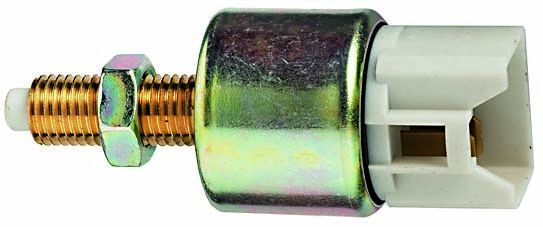
Location: Above brake pedal. Type: Plunger-style switch with threaded body and lock nut. Connector: 4-pin.
We Have This Part in Stock


The information in this article is provided for general reference and educational purposes only. Vehicle specifications, procedures, and part compatibility can vary by production date, trim level, and region. Always consult your vehicle's factory service manual and verify part numbers before purchasing or performing repairs. Safety-critical components such as airbags, seat belts, and braking systems should be installed by a qualified professional.
- Honda Accord: