

Honda Accord Distributor Cap Guide: 1994-2002
Keep your Accord's 4-cylinder engine running smoothly by understanding and replacing a worn distributor cap.
- Only applies to 4-cylinder models; V6 Accords have a distributor-less ignition.
- Symptoms include rough idle, misfiring, and hard starting.
- Check for oil inside the old cap, as this points to a larger issue with the distributor itself.
- Replacement is very easy for DIYers; always replace the rotor with the cap.
Understanding Your Accord's Ignition System
For the 1994-2002 model years, Honda Accord 4-cylinder engines use a distributor-based ignition system. The V6 models, introduced in 1995, use a different, distributor-less system. This guide is for the 4-cylinder models. The distributor cap is a simple but critical component. It's a plastic cover that protects the internal parts of the distributor, like the rotor, from moisture and debris. More importantly, it directs the spark from the ignition coil to each of the four cylinders in the correct firing order. Over time, the cap and the rotor inside wear out and need to be replaced as part of regular maintenance.
Symptoms of a Failing Distributor Cap
A bad distributor cap can cause a range of engine problems. Because the cap's job is to ensure a clean, strong spark reaches the spark plugs, any failure can disrupt this process. Look out for these common signs:
- Engine Misfires: The engine may sputter or hesitate, especially under acceleration. This is often felt as a jerking or stumbling sensation.
- Rough Idle: Your car might shake or vibrate more than usual when stopped at a light.
- Check Engine Light: A misfire caused by a bad cap can trigger the Check Engine Light. Common codes include P0300, P0301, P0302, P0303, or P0304.
- Hard Starting or No Start: If the cap is cracked or has severe corrosion, it can prevent the engine from starting at all.
- Visible Damage: When you inspect the cap, you might see cracks, carbon tracks (thin black lines), corrosion on the metal terminals, or a reddish dust inside, which can indicate a failing bearing in the distributor.
Oil Leaks and Your Distributor
A common issue on these Accords is an oil leak from an internal seal inside the distributor housing. If you see oil inside your distributor cap or dripping from the bottom of the distributor, the entire distributor assembly may need to be replaced soon, not just the cap.
🎬 See how to replace the entire distributor assembly yourself.Choosing the Right Aftermarket Distributor Cap
You don't need to buy an OEM part from the dealer for a simple component like a distributor cap. High-quality aftermarket brands offer excellent performance and value. When shopping, you'll find parts made by brands like Facet, Standard Ignition, and Walker Products. Here's how they generally compare:
- Standard Ignition (SMP): Often considered a reliable, mid-to-upper tier aftermarket brand. They produce parts that meet or exceed OEM specifications and are a popular choice for daily drivers.
- Walker Products: Known for a wide range of engine management parts, Walker is a solid economy-to-mid-tier option that provides good value.
- Facet: Another established brand offering a range of electronic and engine components, typically falling in the economy or standard replacement category.
Pro Tip: Look for caps with brass terminals instead of aluminum. Brass is a better conductor and more resistant to corrosion, offering a longer service life. It's also a good practice to replace the distributor rotor at the same time as the cap. They are often sold together as a kit.
Cost to Replace a 1994-2002 Honda Accord Distributor Cap
| Part Type | Estimated Cost |
|---|---|
| New Aftermarket Distributor Cap & Rotor | $20 - $45 |
| New OEM Honda Distributor Cap & Rotor | $45 - $70 |
| Shop Labor Cost | $70 - $140 |
| Total Estimated Cost (DIY) | $20 - $45 |
| Total Estimated Cost (Installed at Shop) | $90 - $185 |
Frequently Asked Questions
Do I need to replace the whole distributor if only the cap is bad?
Not usually. The cap and rotor are designed to be replaceable wear items. You only need to replace the entire distributor assembly if it has a more serious problem, like a failing internal bearing (indicated by red dust) or a persistent internal oil leak.
Is it difficult to replace the distributor cap myself?
No, this is a very beginner-friendly job. It typically involves removing three screws and the spark plug wires. The most important step is to transfer the spark plug wires from the old cap to the new cap one by one to avoid mixing up the firing order. The entire process should take less than 30 minutes.
🎬 Watch this step-by-step guide to replacing your cap and rotor.What are the OEM part numbers for the distributor cap?
Part numbers can vary by specific year and engine. Common OEM numbers for 1994-2002 4-cylinder Accords include 30102-PAA-A01 (for 98-02 LX/EX), 30102-P0A-A02 (for 94-97 EX), and 30102-P54-006 (for 98-02 DX). Always confirm fitment for your specific vehicle.
Were there any recalls for the distributor cap on these Accords?
No, searches of the National Highway Traffic Safety Administration (NHTSA) database did not find any recalls specifically for the distributor or distributor cap on 1994-2002 Honda Accords. Any issues are considered normal wear and tear.
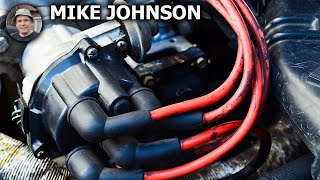
Helpful Videos
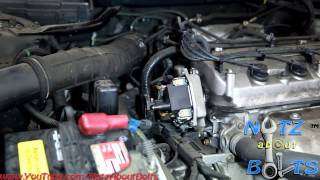
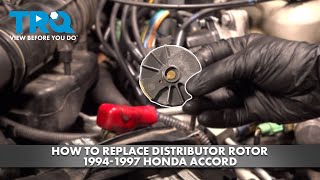
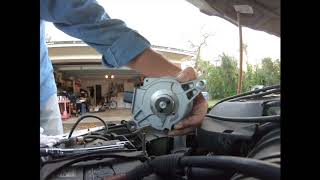
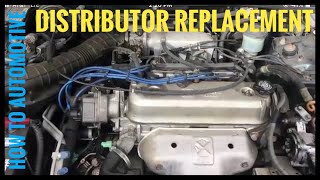


Technical Specifications
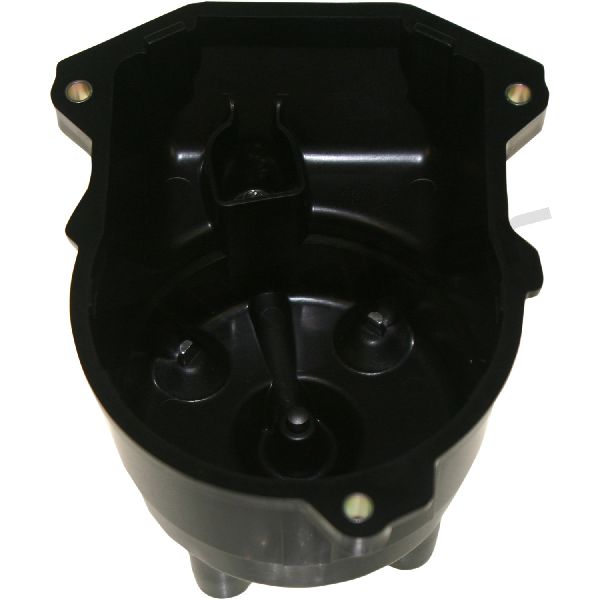
OEM Part Numbers: 30102-PAA-A01 30102-P0A-A02 30102-P2M-A01 30102-P54-006 30102-PT2-016
This guide applies to the distributor cap for 1994-2002 Honda Accord models equipped with 4-cylinder engines (e.g., F22B1, F22B2, F23A1, F23A4, F23A5). It does not apply to V6 models.
We Have This Part in Stock


The information in this article is provided for general reference and educational purposes only. Vehicle specifications, procedures, and part compatibility can vary by production date, trim level, and region. Always consult your vehicle's factory service manual and verify part numbers before purchasing or performing repairs. Safety-critical components such as airbags, seat belts, and braking systems should be installed by a qualified professional.
- Honda Accord: