

Mazda 626 Engine Coolant Temperature Sensor Guide (1994-2002)
Fix overheating, poor fuel economy, and check engine lights on your 1994-2002 Mazda 626.
- A bad ECT sensor can cause poor fuel economy, overheating, a check engine light, and rough running.
- Verify your engine (2.0L or 2.5L) and transmission type before ordering to ensure you get the correct part.
- Reputable aftermarket brands like Delphi, NGK, and Beck Arnley offer OEM-level quality for less money.
- This is a simple, low-cost repair that a DIYer can perform in under an hour, preventing potential for major engine damage.
Is a Bad Coolant Temp Sensor Causing Your 626 Problems?

If your Mazda 626 is acting up, a faulty Engine Coolant Temperature (ECT) sensor could be the culprit. This small sensor plays a big role in how your engine runs. When it fails, it can cause a range of issues, from annoying to serious. Symptoms often include a check engine light, poor gas mileage, an engine that runs rough, or even overheating. This guide will help you understand the symptoms, choose the right aftermarket replacement, and know what to expect during the repair.
Common Ordering Mistake
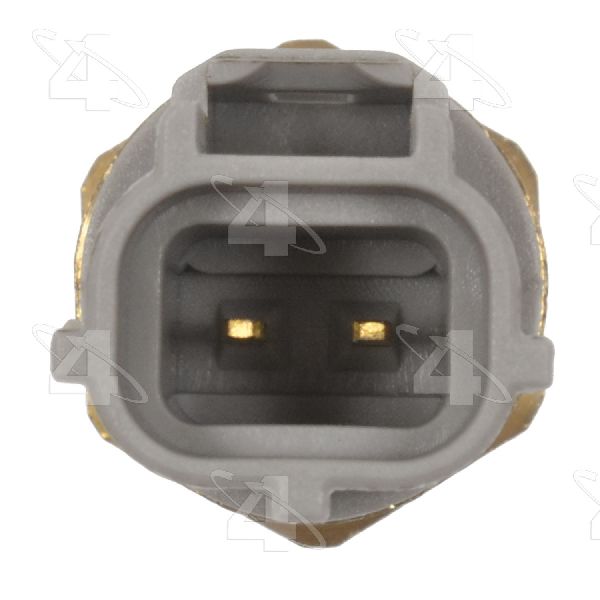
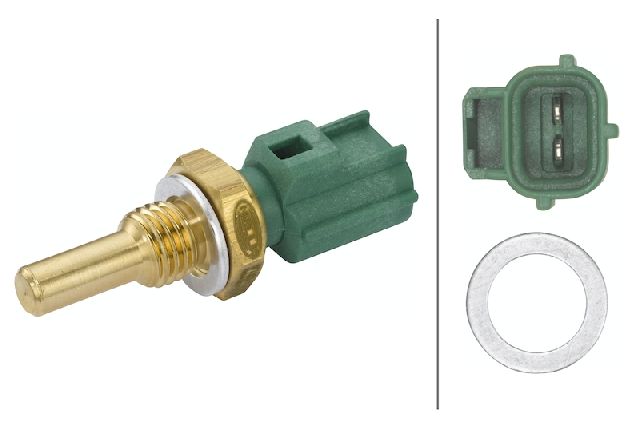
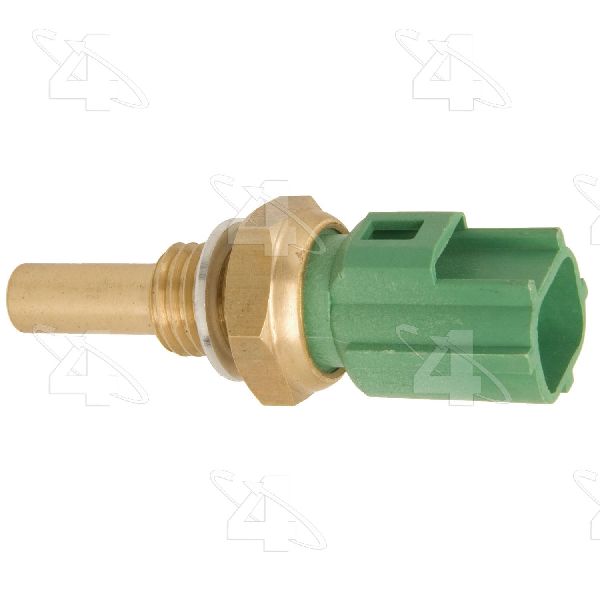
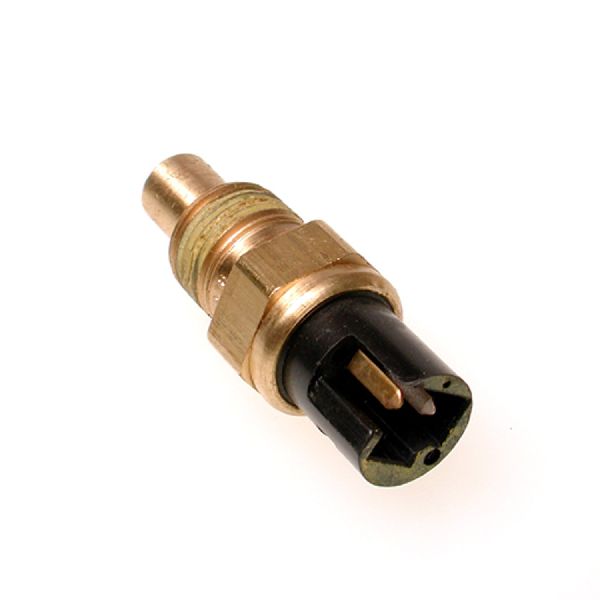
The 1994-2002 Mazda 626 used different sensors for the 4-cylinder (2.0L) and V6 (2.5L) engines. There can also be variations between manual and automatic transmissions. It is highly recommended to physically inspect your old sensor before ordering a new one to ensure the connector shape and size match. Taking your old part to the auto parts store is a good way to avoid getting the wrong one.
Choosing the Right Aftermarket ECT Sensor

When replacing the ECT sensor, you don't necessarily need to buy the expensive OEM part from a Mazda dealer. Many aftermarket brands offer reliable quality, often from the same factories that make the original parts. However, quality can vary, so it's wise to choose a reputable brand. Some forum users report that very cheap, unbranded sensors can provide inaccurate readings, leading to continued problems.
Here’s a breakdown of the available brands into tiers:
- Premium Aftermarket (OEM Quality): Brands like Delphi, NGK (NTK), and Beck Arnley are well-regarded. They often supply parts directly to car manufacturers and are known for their quality control. These are excellent choices for reliability that meets or exceeds the original part.
- Standard Aftermarket (Good Value): Brands like Standard Ignition (SMP), Hella, and Four Seasons offer a solid balance of quality and price. They are trusted names in the aftermarket and are a dependable choice for most repairs.
- Economy Brands: Brands like URO Parts and other lesser-known names might be tempting due to their low price. While they may function correctly, some owners have experienced issues with accuracy and longevity with budget sensors on other vehicles. For a critical sensor like the ECT, it's often worth spending a few extra dollars for a more trusted brand.
| Item | Estimated Cost |
|---|---|
| Aftermarket ECT Sensor Part | $11.55 - $43.37 |
| Shop Labor for Replacement | $50 - $120 |
Pro Tip: DIY Replacement
Replacing the ECT sensor is a straightforward job for a DIY mechanic and can be done in under an hour with basic tools. The sensor is typically located on the thermostat housing or cylinder head. On the 2.0L engine, it is located near the upper radiator hose. Be sure the engine is completely cool before starting, as you will be opening the cooling system. A small amount of coolant will leak out when the old sensor is removed.
Frequently Asked Questions

Where is the engine coolant temperature sensor located on my Mazda 626?
The location varies slightly between the 4-cylinder and V6 engines. On the 2.0L 4-cylinder, it is typically found on the thermostat housing, near where the upper radiator hose connects to the engine. For the V6, it is also near the thermostat housing. Always follow the upper radiator hose from the radiator back to the engine to find the general area.
Are there any recalls for the coolant sensor on the 1994-2002 Mazda 626?
A search of the National Highway Traffic Safety Administration (NHTSA) database shows no specific recalls for the engine coolant temperature sensor on the 1994-2002 Mazda 626. There are some Technical Service Bulletins (TSBs) for newer Mazda models regarding ECT sensors, but none appear to be active for this generation of 626.
How many coolant temperature sensors does my 626 have?
Most 1994-2002 Mazda 626 models have two temperature sensors. One is the Engine Coolant Temperature (ECT) sensor, which sends information to the engine computer (ECU). The other is the temperature sender, which operates the gauge on your dashboard. They are separate parts. If your gauge is reading incorrectly but the engine seems to run fine, the sender might be the problem. If you have performance issues and a check engine light, the ECT sensor is the more likely cause.
What happens if I don't replace a bad ECT sensor?
Ignoring a bad ECT sensor can lead to more serious problems. Persistently poor fuel economy will cost you money. If the sensor fails to trigger the cooling fans, the engine can overheat, potentially causing catastrophic damage like a warped cylinder head or blown head gasket. It's a cheap part that protects your expensive engine, so replacement is highly recommended.
Helpful Videos
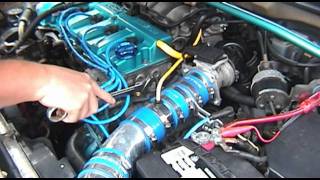
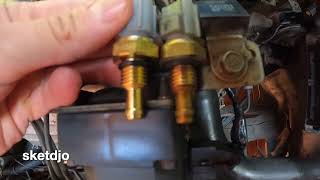
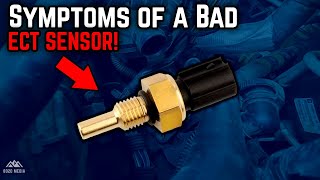
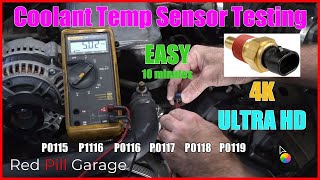
Technical Specifications
OEM Part Numbers: FSB9-18-840 B593-18-840A
Typically a two-pin thermistor sensor that changes resistance based on coolant temperature. Connector style and thread pitch vary by engine and year.
We Have This Part in Stock


The information in this article is provided for general reference and educational purposes only. Vehicle specifications, procedures, and part compatibility can vary by production date, trim level, and region. Always consult your vehicle's factory service manual and verify part numbers before purchasing or performing repairs. Safety-critical components such as airbags, seat belts, and braking systems should be installed by a qualified professional.
- Mazda 626: