

Catalytic Converter Guide for the 1994-2002 Mazda B3000
Everything you need to know before replacing the catalytic converter on your Mazda B3000 pickup.
- A loss of power is the most common symptom of a clogged converter on the B3000.
- You MUST buy a converter that matches your state's laws: Federal (EPA) or California (CARB).
- Fix any engine problems (like misfires or bad O2 sensors) before installing a new converter, or you will ruin the new part.
- Aftermarket brand quality varies significantly. MagnaFlow and Walker are reliable choices, while cheaper brands can be a gamble on fit and longevity.
Is Your B3000's Catalytic Converter Failing?
When a catalytic converter starts to go bad on the 1994-2002 Mazda B3000, the signs are usually hard to miss. Because the B3000 is a rebadged Ford Ranger, symptoms are identical for both trucks with the 3.0L V6 engine. The original Ford-made converters were tough and often lasted over 200,000 miles, but they don't last forever.
First, Check for Rattles
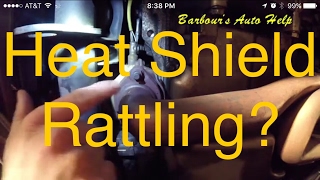
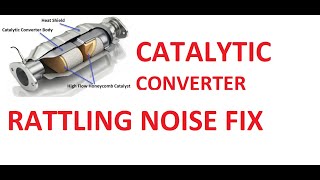
Pro Tip: Before you condemn the converter, check its heat shield. The thin metal shield can rust and break its welds, causing a rattling sound that is easily mistaken for an internal failure. Often, a simple, inexpensive hose clamp can secure the shield and solve the noise.
🎬 Watch: How to temporarily fix a rattling heat shieldWhy Did My Converter Fail?
A catalytic converter usually fails because of another problem with the truck. If you don't fix the root cause, you'll ruin the new converter too. Common causes include:
- Engine Misfires: Unburned fuel gets dumped into the exhaust, where it ignites in the converter, causing it to overheat and melt internally.
- Leaking Fluids: Oil or coolant leaking into the exhaust system can coat the ceramic honeycomb, preventing it from working and eventually clogging it.
- Faulty Oxygen Sensors: Bad O2 sensors can cause the engine to run too rich, leading to overheating and converter failure.
- Age and Mileage: Over time, the catalyst materials simply wear out and become less effective, which is common on high-mileage trucks.
Choosing the Right Aftermarket Converter
The most important decision is choosing a converter that is legal for your state and right for your truck. You have two main types to choose from.
Federal (EPA) vs. California (CARB) Compliant
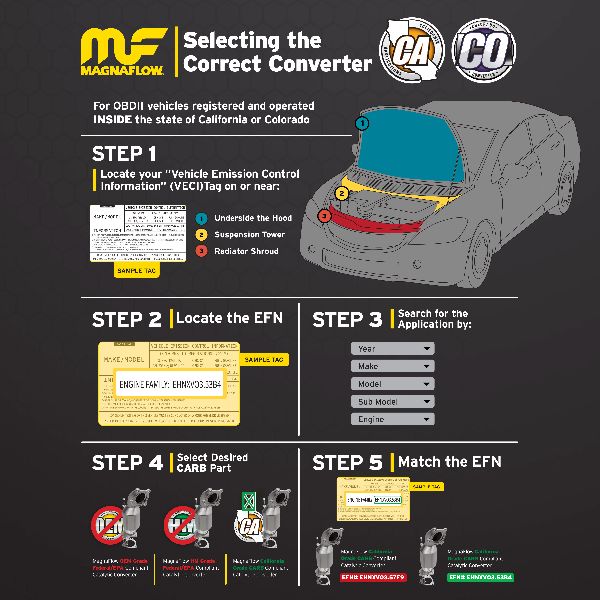
This is critical. If you live in California, Colorado, New York, or Maine, you MUST install a California Air Resources Board (CARB) compliant catalytic converter. Federal (EPA) converters are not legal for sale or use in these states. CARB converters have a higher loading of precious metals to meet stricter standards and are more expensive. Always check your local laws before buying.
Brand Quality Tiers for Your B3000
You get what you pay for with aftermarket converters. Here’s an honest breakdown of the brands available for your truck:
| Brand Tier | Brands | Description |
|---|---|---|
| Premium Quality | MagnaFlow, MagnaFlow Performance Exhaust | Known for high-quality stainless steel construction, excellent fit, and long-term durability. They are often considered a performance upgrade and are a top choice if you plan to keep your truck for a long time. They offer both Federal and CARB-compliant options. |
| OE-Style Replacement | Walker Exhaust | Walker is a well-regarded brand that provides reliable, OE-style replacements that balance cost and quality. A forum user reported their Walker direct-fit Y-pipe on a 3.0L Ranger lasted over 10 years and 100,000 miles. Another owner successfully used a Walker CARB-compliant converter on a '94 B3000 to pass smog. |
| Value / Economy | AP Exhaust, Davico Converters, Eastern Catalytic | These brands offer a budget-friendly solution to get your truck back on the road and pass an emissions test. However, reviews are mixed. Some users report success, but others have experienced fitment issues and shorter lifespans. Davico, in particular, is noted for being "hit or miss" on quality control. These are a viable option if cost is the primary concern, but may require more work to install. |
Frequently Asked Questions (FAQ)
Do I have to replace my oxygen sensors with the converter?
It is highly recommended. Oxygen sensors and catalytic converters have a similar lifespan. A failing O2 sensor can cause a rich fuel mixture that will quickly destroy your new converter. Replacing the upstream and downstream sensors at the same time is a smart investment to protect your new part.
What is the difference between a direct-fit and universal converter?
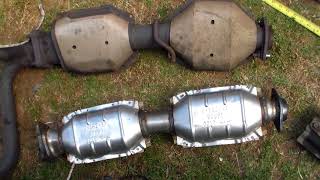
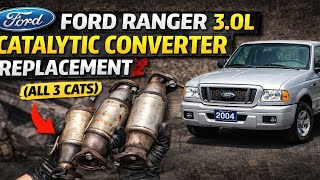
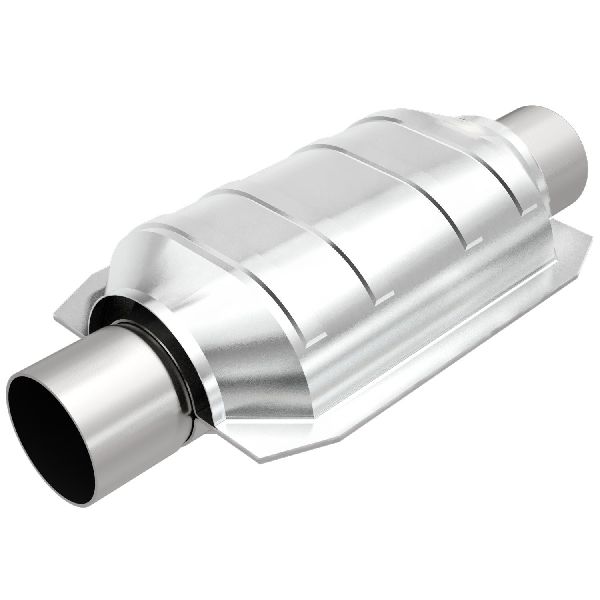
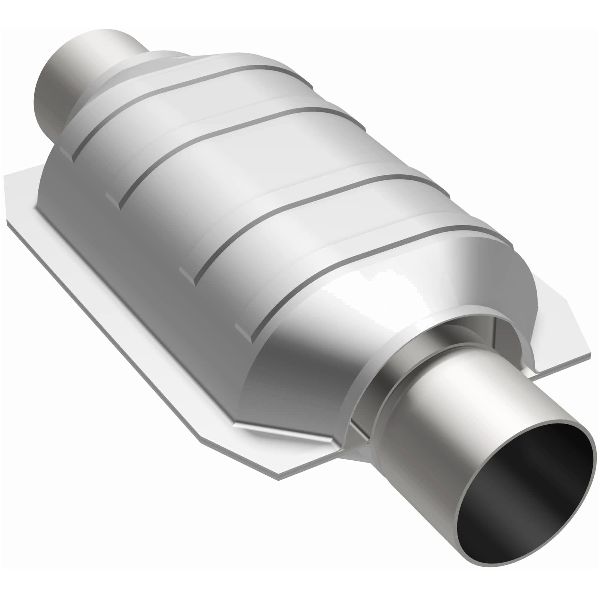
For the B3000, the main replacement is a direct-fit Y-pipe assembly that includes the converters. This part is designed to bolt directly into your existing exhaust system without modification. 🎬 Watch this DIY guide for replacing your catalytic converter A universal converter is just the converter body itself and requires cutting and welding it into your old pipes, which is a much more difficult job.
Why did my truck lose power and feel so sluggish?
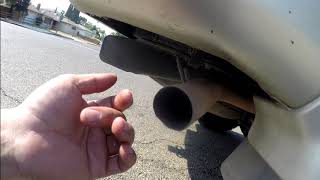
This is the classic symptom of a clogged catalytic converter. When the internal honeycomb melts or breaks apart, it blocks the exhaust path. Your engine can't push the exhaust gases out, so it can't pull in enough air to make power. This creates backpressure, which chokes the engine and makes it feel very weak, especially when you try to accelerate hard.
🎬 See how to identify a clogged catalytic converterAre there any recalls for the B3000 catalytic converter?
No. Searches of the National Highway Traffic Safety Administration (NHTSA) database and other records show no specific recalls or technical service bulletins (TSBs) for catalytic converter failure on the 1994-2002 Mazda B3000 or its Ford Ranger equivalent. Failures on these trucks are typically due to age, mileage, or other engine-related issues.
Helpful Videos
Technical Specifications
The primary replacement part is a direct-fit Y-pipe assembly that includes two catalytic converters. The assembly bolts to both exhaust manifolds and connects to the single pipe leading to the muffler. The 3.0L V6 engine in these trucks typically has two upstream oxygen sensors before the converters and one or two downstream sensors after.
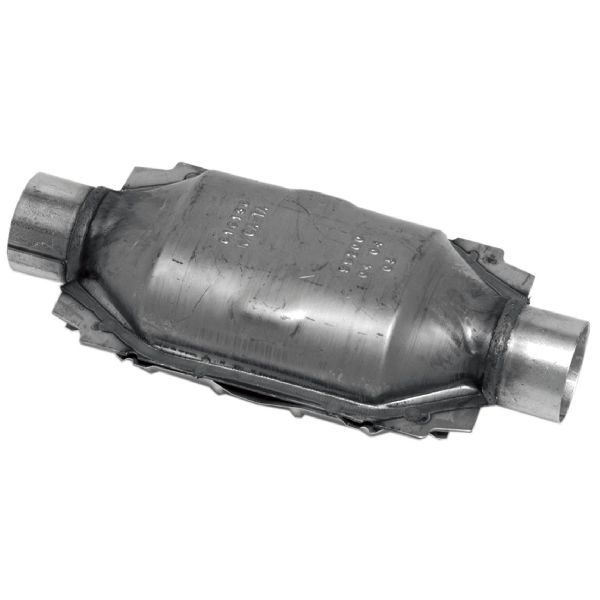
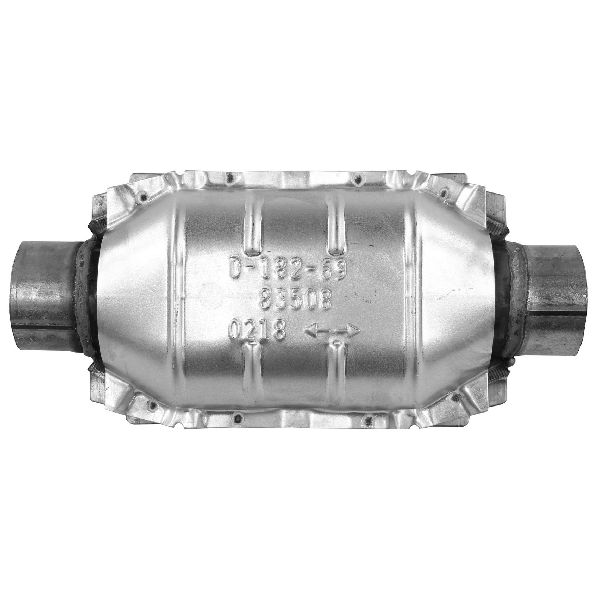
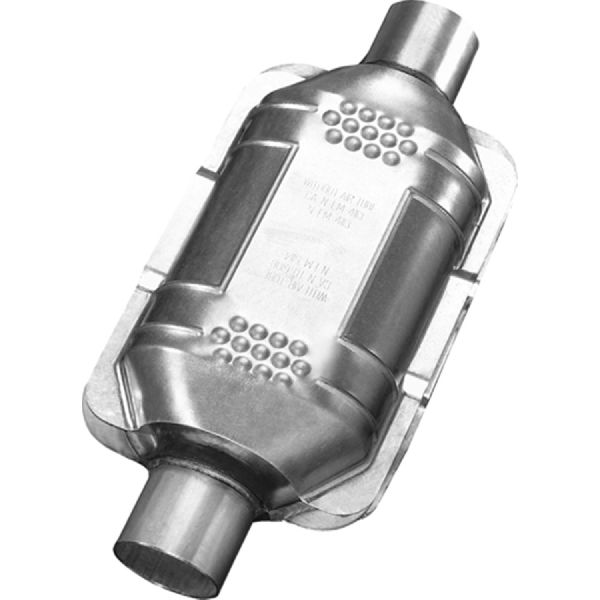
We Have This Part in Stock

The information in this article is provided for general reference and educational purposes only. Vehicle specifications, procedures, and part compatibility can vary by production date, trim level, and region. Always consult your vehicle's factory service manual and verify part numbers before purchasing or performing repairs. Safety-critical components such as airbags, seat belts, and braking systems should be installed by a qualified professional.
- Mazda B3000:
- 🎬 Helpful Videos
- 🛍️ Shop This Part
- Is Your B3000's Catalytic Converter Failing?
- First, Check for Rattles
- Why Did My Converter Fail?
- Choosing the Right Aftermarket Converter
- Federal (EPA) vs. California (CARB) Compliant
- Brand Quality Tiers for Your B3000
- Frequently Asked Questions (FAQ)
- 🎟️ Get 5% Off