

Choosing the Right Front Brake Pads for Your 1994-2002 Mazda B3000
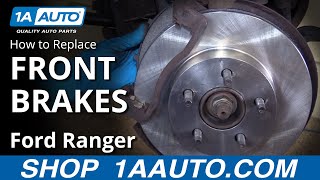
Everything you need to know about replacing the front disc brake pads on your Mazda B3000 pickup.
- Your B3000 uses front disc brakes and rear drum brakes; ensure you are buying the correct 'pads' for the front.
- Common signs of failure are squealing noises, grinding, and a pulsating brake pedal.
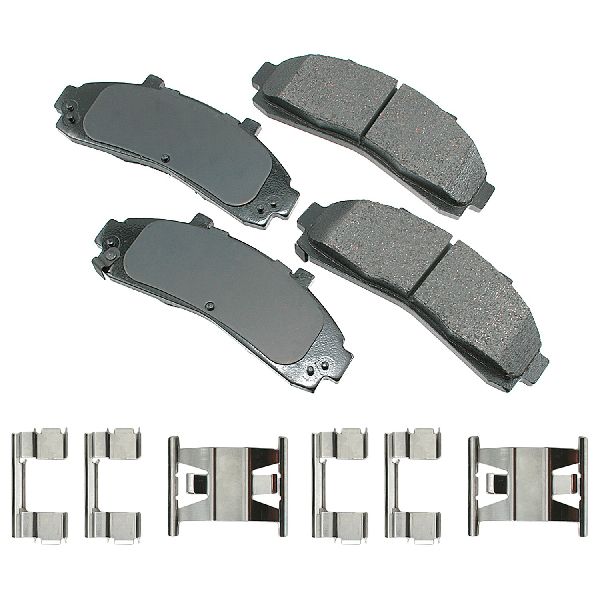
- For most owners, a quality aftermarket ceramic pad from a brand like Wagner, Bosch, or Akebono is a great upgrade over stock.
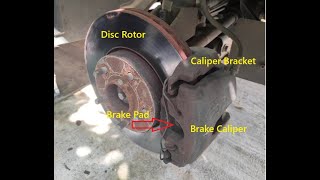
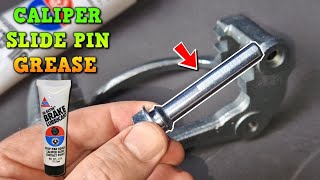
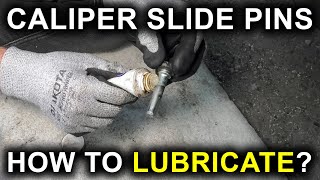
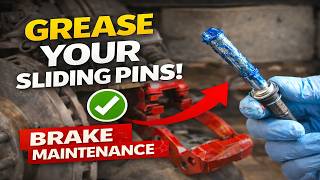
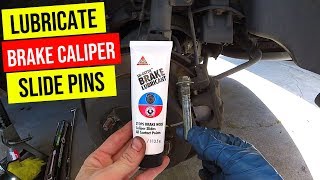
- Always inspect your calipers and hardware during a pad replacement. Cleaning and lubricating slide pins is essential for even wear.
Signs of Failing Brake Pads
Your truck will give you clear warnings when the brake pads are worn out. Ignoring these signs can lead to more expensive repairs, like replacing rotors and calipers. Listen and feel for these common symptoms:
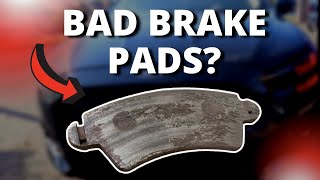
🎬 Watch: A visual guide to identifying bad brake pad symptoms.- Squealing or Screeching Noise: Most brake pads have a small metal tab called a wear indicator. When the pad material wears down, this tab scrapes against the rotor, making a high-pitched squeal when you brake. This is the first and most common sign that you need new pads.
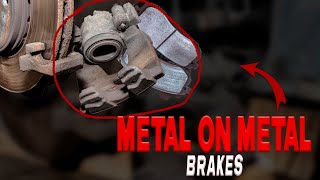
- Grinding Sound: If you ignore the squealing, it will eventually turn into a harsh grinding noise. This means the pad material is completely gone, and the metal backing plate of the pad is grinding against the rotor. This is a serious issue that causes significant damage.
- Vibration or Pulsing in the Pedal: If you feel a pulsing or shaking in the brake pedal or steering wheel when you brake, it could be a sign of worn pads or, more likely, warped brake rotors. This often happens together when pads have been worn for too long.
- Longer Stopping Distances: If you notice your truck takes longer to stop than it used to, your brake pads may be "glazed" or worn out, reducing their effectiveness.
Known Issues & Recalls
While there are no major recalls specifically for the brake pads on the 1994-2002 Mazda B3000, there was a critical recall for the power brake booster on 1994 models (NHTSA 96V-024). This was due to studs that could break, causing the master cylinder to detach and leading to a complete loss of brakes. Additionally, since the B3000 is a rebadged Ford Ranger, it shares some common issues, such as rear brakes locking up in damp conditions and occasional caliper problems. However, these are not typically related to the front brake pads themselves.
Choosing the Right Aftermarket Brake Pads
For a vehicle like the 1994-2002 B3000, aftermarket brake pads often provide better performance and value than original equipment (OEM) parts. The technology for friction materials has improved, and you can choose a pad that fits your driving style. Brake pads are generally made from two types of material:
- Semi-Metallic: These pads offer great performance and are good at drawing heat away from the rotors. They are durable and effective but can be noisier and produce more brake dust than ceramic pads.
- Ceramic: Ceramic pads are known for being quiet and producing very little dust, which keeps your wheels cleaner. They provide smooth, consistent braking for daily driving. Many owners prefer ceramic pads as a modern upgrade.
Brand Tiers for Your B3000
With dozens of products available, it helps to think of brands in tiers. Many owners on forums find that well-known aftermarket brands are a great choice for this truck.
| Tier | Brands | Description |
|---|---|---|
| Premium / Performance | Powerstop, EBC Brakes, Brembo, Akebono | These brands offer excellent stopping power, often in kits with upgraded rotors. Powerstop kits are a popular all-in-one upgrade. Akebono is known for being a quiet, low-dust OEM-quality equivalent. Choose this tier if you tow, haul heavy loads, or want the best possible performance. |
| Daily Driver / OEM-Quality | Wagner, Bosch, Raybestos, Centric | These are trusted, high-quality brands that meet or exceed original factory specifications. They offer a great balance of performance, low noise, and durability for everyday use. Wagner and Raybestos are frequently recommended by owners for their reliability. |
| Economy | Dynamic Friction, Pronto, Total Stopping Solutions | These brands provide a functional, budget-friendly option to get your truck back on the road safely. They are a good choice if cost is your primary concern. |
Pro Tip: Replace Hardware and Service Calipers
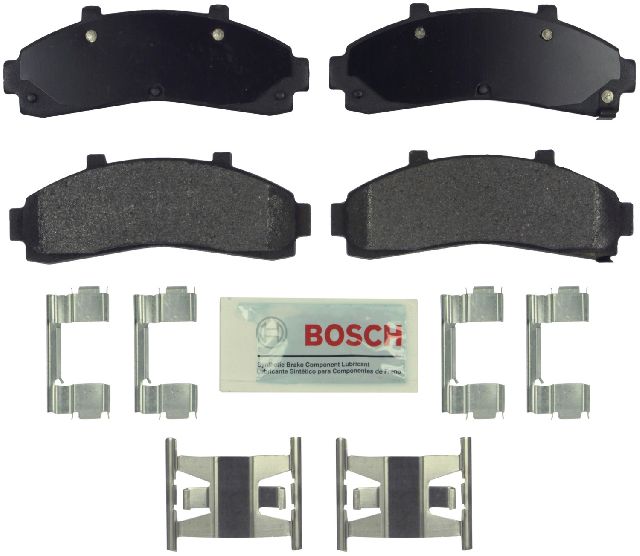
When replacing your brake pads, it's a good idea to also replace the mounting hardware, which includes clips and springs. This ensures the new pads move freely and wear evenly. Also, inspect the caliper slide pins. If they are rusted or stuck, clean and lubricate them with high-temperature brake grease to prevent the brakes from dragging or wearing unevenly. 🎬 Watch: How to properly clean and lubricate your caliper slide pins.
Frequently Asked Questions
Do I need to replace my rotors with my brake pads?
Not always, but it's highly recommended. If your rotors are smooth, have no deep grooves, and are within the minimum thickness specification, they can be reused. However, installing new pads on old rotors can lead to noise and uneven wear. For best performance and a fresh start, replacing pads and rotors together is the best practice.
What's the difference between front and rear brakes on my B3000?
Your 1994-2002 B3000 has disc brakes on the front and drum brakes on the rear. This article is for the front disc brake pads. Rear drum brakes use a different component called "brake shoes." Make sure you are ordering the correct part for the axle you are servicing.
Should I choose ceramic or semi-metallic pads?
For most B3000 owners, ceramic pads are the best choice for daily driving. They are quiet, produce less dust, and are gentle on rotors. If you frequently tow or carry heavy loads, semi-metallic pads might offer slightly better performance under extreme heat, but at the cost of more noise and dust.
What is "bedding-in" new brake pads?
Bedding-in is a process of a few hard stops after installing new pads and rotors. This process transfers a thin, even layer of friction material from the pad onto the rotor surface. It ensures smooth, quiet, and effective braking for the life of the pads. Always follow the manufacturer's specific break-in procedure included with your new pads.
Helpful Videos
Technical Specifications
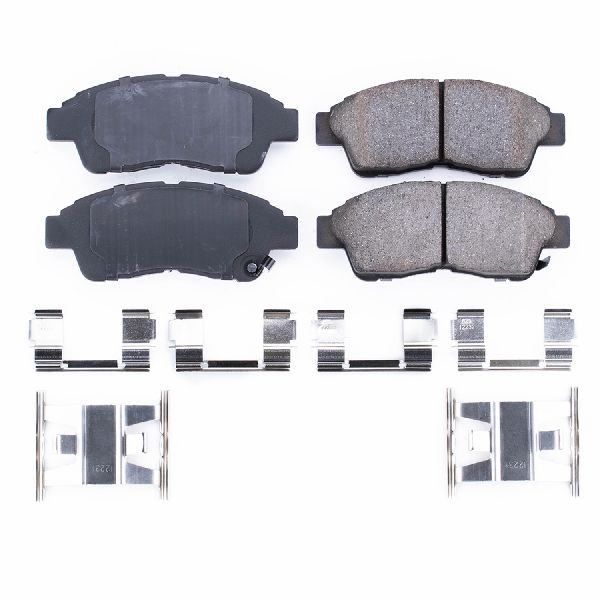
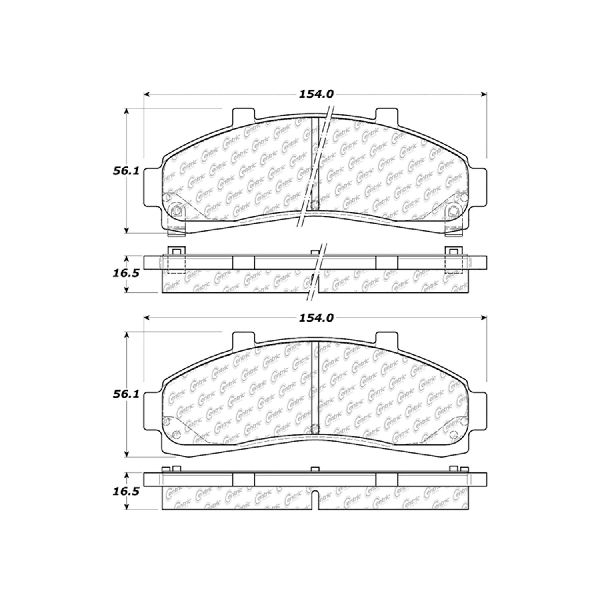
The 1994-2002 Mazda B3000 uses front disc brakes. Depending on the year and 2WD/4WD configuration, rotor sizes can vary (e.g., 10.28" or 11.28"). It is crucial to verify the correct pad shape and size for your specific vehicle before purchasing.
We Have This Part in Stock

The information in this article is provided for general reference and educational purposes only. Vehicle specifications, procedures, and part compatibility can vary by production date, trim level, and region. Always consult your vehicle's factory service manual and verify part numbers before purchasing or performing repairs. Safety-critical components such as airbags, seat belts, and braking systems should be installed by a qualified professional.
- Mazda B3000: