

A Guide to Front Disc Brake Rotors for the 1994-2002 Mazda B4000
Choosing the right replacement brake rotors for your truck is simple once you know the critical difference between 2WD and 4WD models.
- You MUST confirm if your B4000 has 2WD-style 'slip-on' rotors or 4WD-style 'rotor/hub assemblies' before ordering parts.
- Always replace brake rotors and brake pads in pairs for safe, balanced braking.
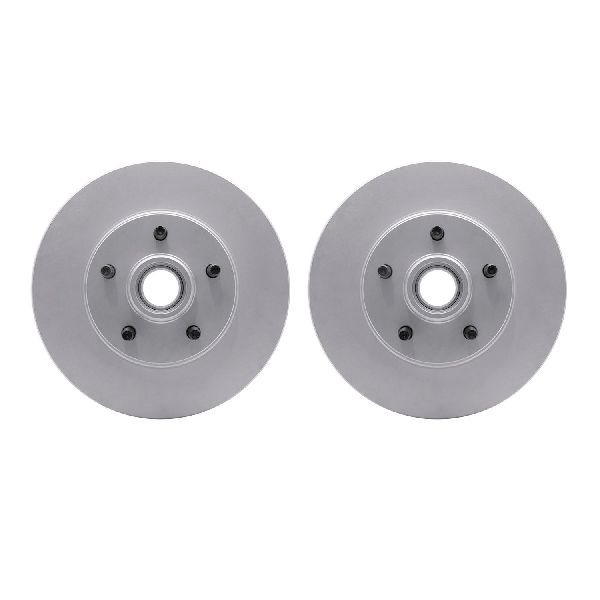
- For this truck, quality aftermarket solid-face rotors from brands like Dynamic Friction or Powerstop are a reliable and cost-effective choice.
- Rotor warping is a common issue; ensure lug nuts are torqued to spec to help prevent it.
Is It Time for New Rotors?
Your Mazda B4000's front brake rotors do a lot of work. Over thousands of miles, the friction from the brake pads wears them down. They can also develop issues from heat, such as warping. A warped rotor will cause a pulsation or vibration you can feel in the steering wheel or brake pedal when you slow down. If you let your brake pads wear out completely, the metal backing plate can grind into the rotor, creating deep grooves and ruining it. It's a good practice to inspect your rotors every time you change your brake pads.
Symptoms of a Failing Disc Brake Rotor
Bad rotors give you clear warning signs. Ignoring them is a safety risk. Look out for these common symptoms:
- Vibration or Pulsing: You feel a shudder or pulse in the brake pedal or steering wheel when braking. This is the most common sign of a warped rotor.
- Grinding or Scraping Noises: A loud grinding sound means metal is grinding on metal, likely because the brake pads are gone and the caliper or pad backing is destroying the rotor.
- Visible Grooves or Damage: When you look at the rotor, you can see deep lines, scores, or a discolored, bluish surface from extreme heat.
The #1 Ordering Mistake: 2WD vs. 4WD Rotors
Before buying parts, you MUST identify what type of front rotors your B4000 has. The design often depends on whether your truck is 2-wheel drive or 4-wheel drive.
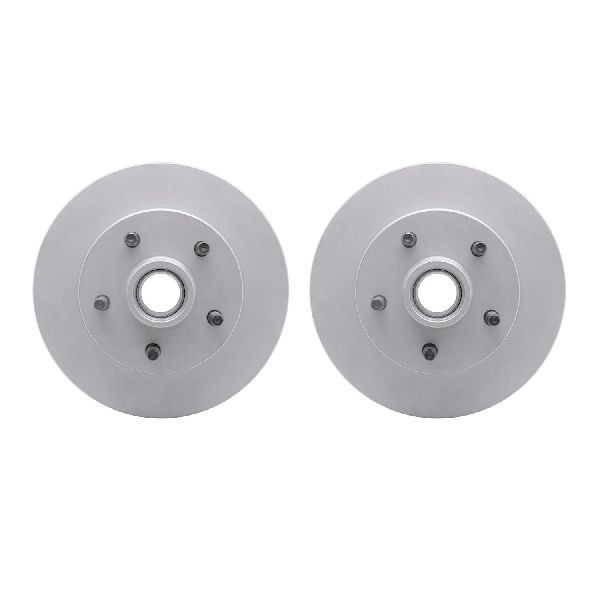
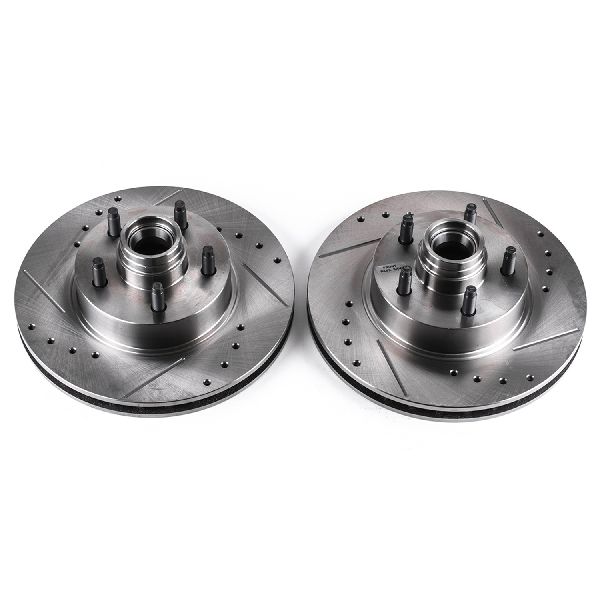
- Rotor/Hub Assembly: This design is common on 4WD models and some 2WD models. The rotor and wheel hub are a single, integrated unit. Replacing this type is more involved because you also have to service the wheel bearings, which involves cleaning and repacking them with fresh grease.
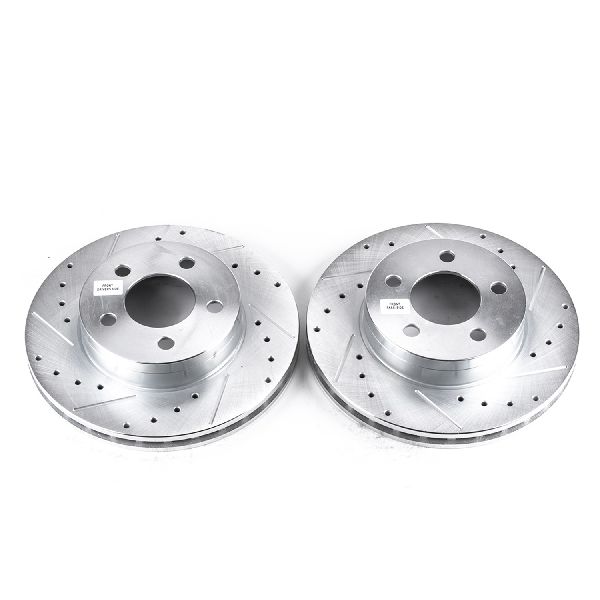
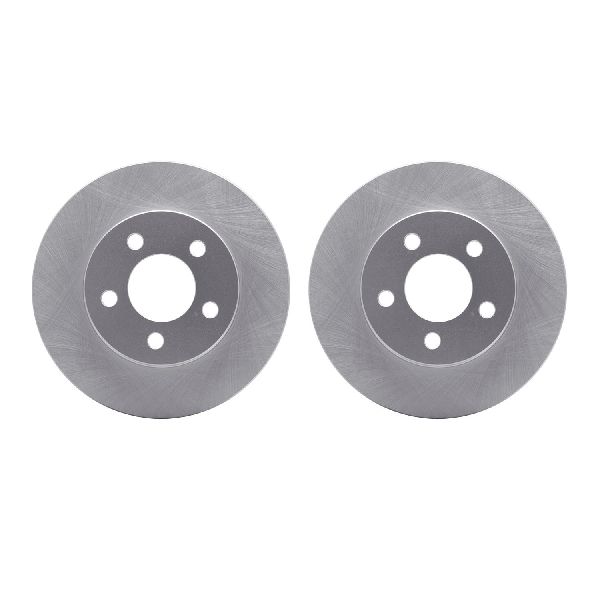
- Slip-On Rotor: This design is common on 2WD models. The rotor is a separate piece that simply slides over the wheel studs after you remove the brake caliper. This is the easier type to replace.
Visually inspect your front wheels before ordering. If the rotor appears to be one solid piece with the hub that the wheel bolts to, you likely have a hub assembly.
Choosing the Right Aftermarket Rotors
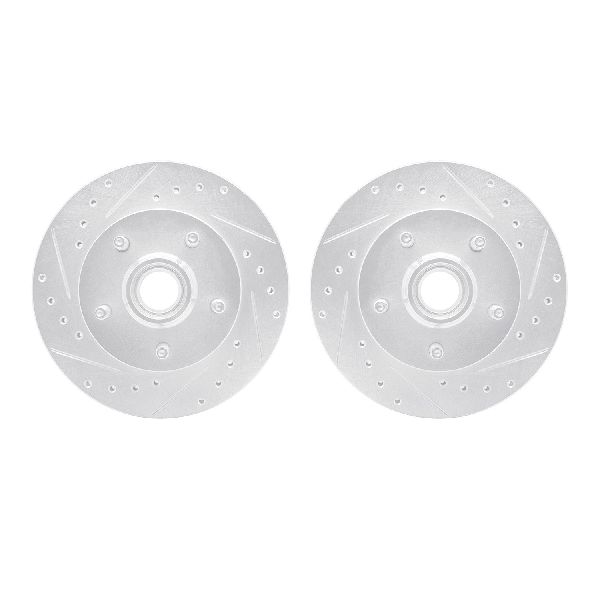
For a 1994-2002 B4000, you don't need to buy expensive OEM parts from a dealer. Quality aftermarket brands offer excellent performance and value. The most important thing is to choose a quality part and avoid the cheapest options. For this truck, stick with solid-face (blank) rotors. Drilled or slotted rotors are not necessary and can be less durable for daily driving and hauling.
Brand Quality Tiers
- Daily Driver (Good Choice): This tier includes coated, solid-face rotors from reputable brands. They prevent rust and provide reliable, quiet stopping power for normal commuting and light hauling. Brands like Dynamic Friction and Powerstop offer excellent daily driver options, as do other well-regarded brands like Centric and Raybestos.
- Heavy-Duty / Towing (Better Choice): If you frequently tow or carry heavy loads, consider a heavy-duty kit. Powerstop's Z36 Truck & Tow kits and Dynamic Friction's Heavy Duty series are designed for higher temperatures and offer improved braking under load. These kits often come with carbon-fiber ceramic or semi-metallic pads designed for truck use.
Pro Tip: Always replace your brake pads at the same time as your rotors. Installing old pads on new rotors will cause uneven wear and reduce the life and performance of your new parts.
Known Vehicle-Specific Issues
- Rotor Warping: The Ford Ranger platform on which the B4000 is built is known for developing warped front rotors, leading to brake pedal pulsation. This can be minimized by using quality replacement parts and ensuring the lug nuts are tightened to the correct torque specification with a torque wrench, not just an impact gun.
- 1994 Brake Booster Recall: A significant safety recall (NHTSA 96V-024) was issued for 1994 B4000 models. The studs connecting the master cylinder to the brake booster could crack, potentially causing a complete loss of braking. While this is not a rotor issue, it is a critical safety concern for the brake system on this model year.
| Part Type | Price Range |
|---|---|
| New Aftermarket Rotor Set | $116.48 - $474.99 |
| New OEM Rotor Set | $250 - $600+ |
| Shop Labor | $150 - $300 |
Frequently Asked Questions (FAQ)
Do I have to replace both front rotors at the same time?
Yes, always. Brake rotors must be replaced in pairs (both front wheels) to ensure even, balanced braking and prevent the truck from pulling to one side.
Can I reuse my old wheel bearings with a new rotor/hub assembly?
While it is possible, it is highly recommended to install new wheel bearings and seals when you replace a rotor/hub assembly. If you must reuse the old bearings, they need to be thoroughly cleaned of all old grease and repacked with new, high-temperature wheel bearing grease.
Can I get my old rotors "turned" or machined?
If you have slip-on rotors, they can sometimes be machined if they are not warped and have enough thickness remaining. However, if your truck has the one-piece rotor/hub assembly, it cannot be machined and must be replaced. Given the affordable cost of new aftermarket rotors, replacement is often the better and safer option.
Can I install new rotors myself?
Yes, this is a feasible DIY job for someone with mechanical experience. Replacing slip-on rotors is easier. Replacing rotor/hub assemblies is more complex due to the need to service the wheel bearings. You will need tools like a jack, jack stands, a socket set, and a C-clamp or caliper piston tool.
Technical Specifications
Configuration: Varies between slip-on rotor and integrated rotor/hub assembly. Drivetrain (2WD/4WD) is the primary determining factor, but visual inspection is required to confirm.
We Have This Part in Stock

The information in this article is provided for general reference and educational purposes only. Vehicle specifications, procedures, and part compatibility can vary by production date, trim level, and region. Always consult your vehicle's factory service manual and verify part numbers before purchasing or performing repairs. Safety-critical components such as airbags, seat belts, and braking systems should be installed by a qualified professional.
- Mazda B4000: