

Engine Camshaft Position Sensor Guide for 1994-2002 Mercury Cougar
Fix stalling, rough idle, and starting problems by understanding this critical engine sensor in your Cougar.
- Verify your Cougar's engine (4.6L V8, 3.8L V6, 2.5L V6, or 2.0L I4) before buying, as parts differ between 1994-1997 and 1999-2002 models.
- Symptoms like stalling, hard starts, and a rough idle are classic signs of a failing camshaft sensor, often confirmed by a P0340 code.
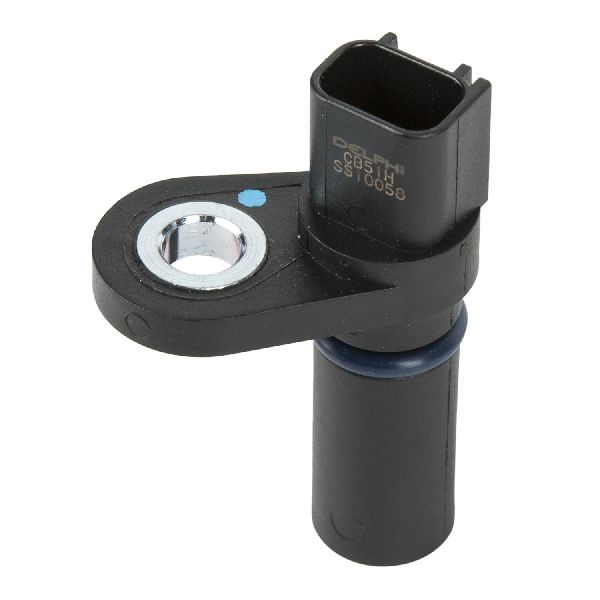
- For reliability, choose a premium aftermarket brand like Delphi, Denso, or Standard Ignition over budget options, which are known to fail.
- This is a simple DIY replacement for most owners, typically requiring only one bolt and one electrical connector to be removed.
Understanding the Two Generations of Cougar
It's important to know that the 1994-2002 Mercury Cougar spans two distinct generations with different engines. The part you need will depend on your specific vehicle.
- 1994-1997 Cougar: This generation used a 4.6L V8 or a 3.8L V6. The camshaft position sensor for these engines is specific to this platform.
- 1999-2002 Cougar: After a brief hiatus, this generation returned with a 2.0L I4 or a 2.5L V6 Duratec engine. These models use a different sensor than the earlier cars.
Always confirm your engine size and year before purchasing a new sensor.
Common Symptoms of a Failing Camshaft Sensor
A bad camshaft position sensor can make your car difficult or unsafe to drive. The signs often start gradually and get worse, especially as the engine heats up. Here are the most common indicators:
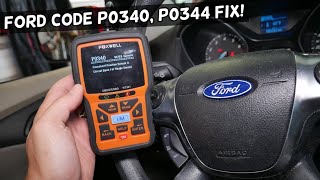
- Check Engine Light: This is often the first sign. The most common trouble code is P0340 🎬 See how to diagnose and fix P0340 engine codes., which points to a malfunction in the sensor's circuit.
- Difficulty Starting: The engine may crank for a long time before it starts, or it may not start at all.
- Engine Stalling: The engine may stall unexpectedly, either while idling at a stoplight or while driving. This is a serious safety concern.
- Rough Idle and Misfires: Your car may shake or vibrate when stopped, and the engine may run unevenly.
- Poor Acceleration: You might notice the car feels sluggish, hesitates, or lacks power when you press the gas pedal.
- Reduced Fuel Economy: When the engine timing is off, it burns more fuel than necessary.
Known Issues & Recalls
While no specific recalls for the 1994-2002 Cougar camshaft position sensor were found, Ford did issue recalls for similar sensors on other vehicles, like the 7.3L diesel engine (Recall 07S57), due to a risk of stalling. The causes of failure are often related to heat and oil exposure, damaged wiring, or simple wear and tear over time.
Choosing the Right Aftermarket Sensor
When it comes to engine sensors, quality matters. While an OEM sensor from a dealer is an option, many high-quality aftermarket brands provide equivalent performance for less money. However, forum discussions often warn against using the cheapest available parts, as they can fail quickly.
| Brand Tier | Brands | General Consensus |
|---|---|---|
| Premium Aftermarket | Delphi, Denso, Standard Ignition (SMP), Hitachi, NGK | Often the original equipment (OE) manufacturer. Widely trusted for reliability and performance that matches the factory part. Delphi, in particular, is noted for building sensors to factory specifications. |
| Quality Aftermarket | Beck Arnley, Walker Products, Holstein | Good reputation for providing reliable parts that fit correctly. Walker is noted for its engineering on engines with complex timing systems. Beck Arnley often repackages OE parts. |
| Standard / Economy | Dorman, URO Parts, Spectra, Global Parts | Can be a mixed bag. While some parts work fine, Dorman has a reputation for some sensors failing prematurely on Ford vehicles. These are budget-friendly but may not have the same longevity as premium brands. |
Mechanic's Tip
Before replacing the sensor, always inspect the wiring and connector. A loose connection, corroded pins, or damaged wire can cause the same P0340 code and symptoms. Also, check for oil leaks in the area, as leaking oil is a common cause of sensor failure.
Frequently Asked Questions (FAQ)
Where is the camshaft position sensor located on my Cougar?
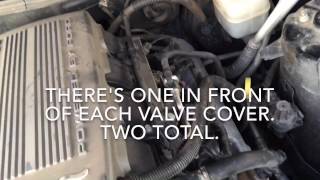
The location varies by engine. On the 1999-2002 2.5L V6, it is typically found on the end of the cylinder head. On the 1994-1997 4.6L V8, it is usually mounted on the front timing cover. 🎬 Watch a walkthrough for replacing the sensor on 4.6L engines. Always consult a repair manual for your specific engine to confirm the exact location.
Can I replace this sensor myself?
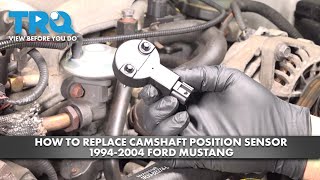
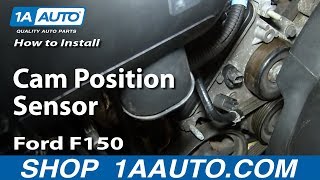
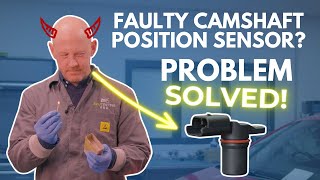
Yes, this is a very DIY-friendly repair 🎬 Watch this step-by-step Cougar camshaft sensor replacement guide. for most home mechanics. The sensor is typically held in by a single bolt and has one electrical connector. Access can be tight on some engines, but it generally requires only basic hand tools and takes less than an hour.
What does the P0340 code mean?
P0340 means "Camshaft Position Sensor 'A' Circuit Malfunction." This tells you the PCM has detected a problem in the circuit, which includes the sensor itself, the wiring, the connector, or the PCM. While the sensor is the most common culprit, it's important to check the whole circuit.
Should I buy an OEM or aftermarket sensor?
For critical sensors like this, it's generally recommended to use either an OEM part or a high-quality aftermarket brand like Delphi, Denso, or Standard Ignition. Cheaper, no-name sensors have a higher rate of failure and can leave you stranded.
Helpful Videos
Technical Specifications
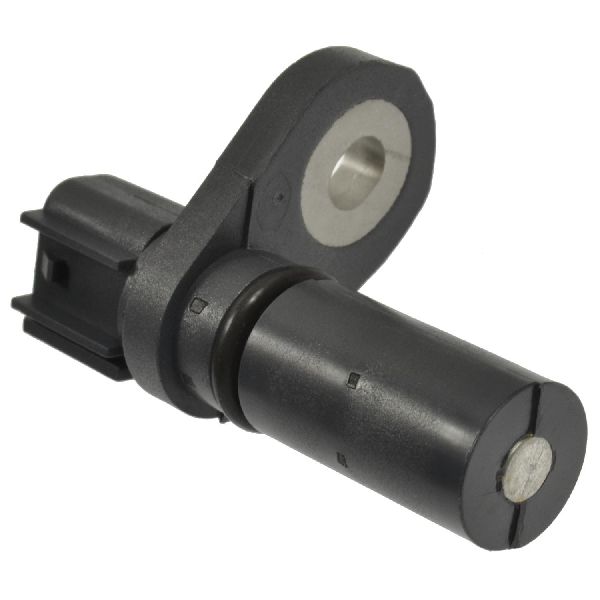
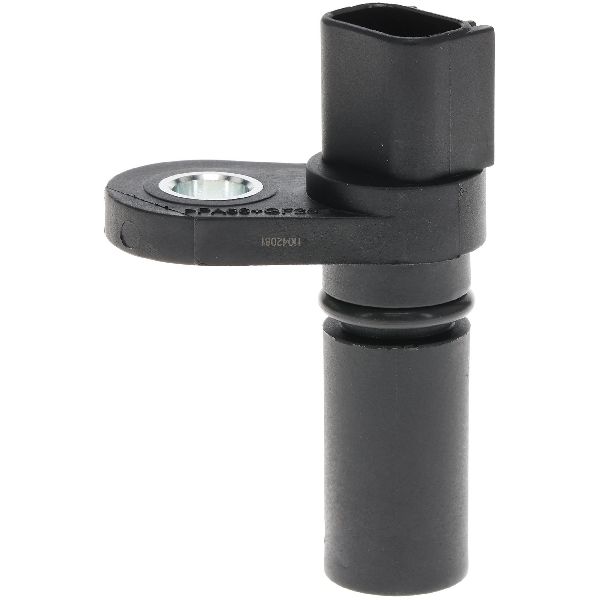
OEM Part Numbers: F7TZ-12K073-B F1AZ-12A112-A YS4Z-6B288-AA
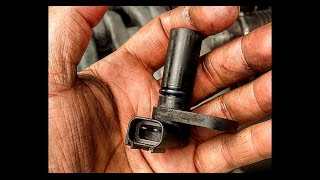
The sensor is a Hall-effect or magnetic type sensor that reads the position of the camshaft via a reluctor wheel. It uses a 2 or 3-pin connector depending on the specific engine application.
We Have This Part in Stock


The information in this article is provided for general reference and educational purposes only. Vehicle specifications, procedures, and part compatibility can vary by production date, trim level, and region. Always consult your vehicle's factory service manual and verify part numbers before purchasing or performing repairs. Safety-critical components such as airbags, seat belts, and braking systems should be installed by a qualified professional.
- Mercury Cougar: