

Mercury Cougar 1994-2002 Oxygen Sensor Guide & Common Problems
Is your Cougar's Check Engine Light on? It might be an oxygen sensor, but don't replace it just yet.
- For lean codes P0171/P0174, check for vacuum leaks before replacing O2 sensors, as this is a very common issue on Cougars.
- The number of sensors depends on the year: 1994-95 models have two, while 1996-2002 models have four.
- For best results, use Denso or NGK/NTK brand sensors and replace them in pairs (both upstream or both downstream).
- A special O2 sensor socket is highly recommended for DIY replacement to avoid damaging the sensor or wire.
Symptoms of a Failing Oxygen Sensor
A bad O2 sensor can cause several noticeable problems with your Cougar. The most obvious sign is an illuminated Check Engine Light on your dashboard. Other common symptoms include:
- Poor Fuel Economy: One of the first things you might notice is needing to fill up your gas tank more often. A bad sensor can cause the engine to run rich, wasting fuel.
- Rough Idle or Stalling: Your Cougar might shake or idle unevenly when stopped. In some cases, the engine may stall.
- Engine Hesitation: When you press the gas pedal, the car might hesitate or feel sluggish because the air-fuel mixture is incorrect.
- Failed Emissions Test: An O2 sensor is a key emissions control device. A faulty one will almost certainly cause your vehicle to fail a smog check.
- Rotten Egg Smell: A strong sulfur or rotten egg smell from the exhaust can indicate a rich fuel mixture and a failing sensor or catalytic converter.
A Word of Warning: The P0171 & P0174 Lean Code Trap
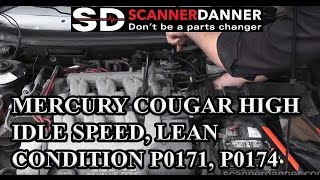
Many Cougar owners, especially with the 1999-2002 2.5L V6, will see Check Engine Light codes P0171 (Bank 1 System Too Lean) and P0174 (Bank 2 System Too Lean). Your first thought might be to replace the oxygen sensors. Do not do this first. These codes mean the O2 sensors are doing their job and detecting too much air in the fuel mixture. The most common cause for these codes on Cougars is unmetered air entering the engine from vacuum leaks. Before spending money on new sensors, inspect for cracked vacuum hoses, leaking intake manifold gaskets, or a dirty Mass Air Flow (MAF) sensor. A Ford Technical Service Bulletin (TSB) for similar engines explicitly warns that O2 sensors are not the root cause for these lean codes.
🎬 Watch: Troubleshooting high idle and lean codes on your CougarGeneration Differences: How Many Sensors Do You Need?
The 1994-2002 period covers two very different Cougar models. The number of sensors you need depends on your year and engine.
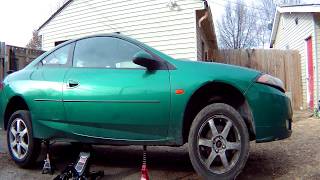
- 1994-1995 (3.8L V6 & 4.6L V8): These OBD-I cars have two oxygen sensors. They are both "upstream" sensors, located in the exhaust manifold before the catalytic converter, with one for each engine bank. 🎬 See this 1999-2002 Cougar O2 sensor replacement walkthrough
- 1996-1997 (3.8L V6 & 4.6L V8): These were the first OBD-II models. They have four oxygen sensors: two upstream (before the catalytic converter) and two downstream (after the catalytic converter).
- 1999-2002 (2.5L V6): These FWD models are fully OBD-II and have four oxygen sensors. There are two upstream and two downstream sensors, one for each engine bank.
Choosing the Right Aftermarket Oxygen Sensor
The original factory (OEM) brand for your Cougar is Motorcraft. However, high-quality aftermarket sensors can offer the same performance for less money. Here is a breakdown of the available brands.
Pro Tip: It is highly recommended to replace O2 sensors in pairs (both upstream or both downstream). It's also best not to mix brands, as different sensors can have slightly different response times, which can confuse the engine computer.
Tier 1: OEM & Premium Aftermarket
These brands are either the original equipment manufacturer or are known to meet or exceed OEM quality. They are the safest bet for a direct, trouble-free replacement.
- Motorcraft: The original Ford part. You can't go wrong, but it's often the most expensive option.
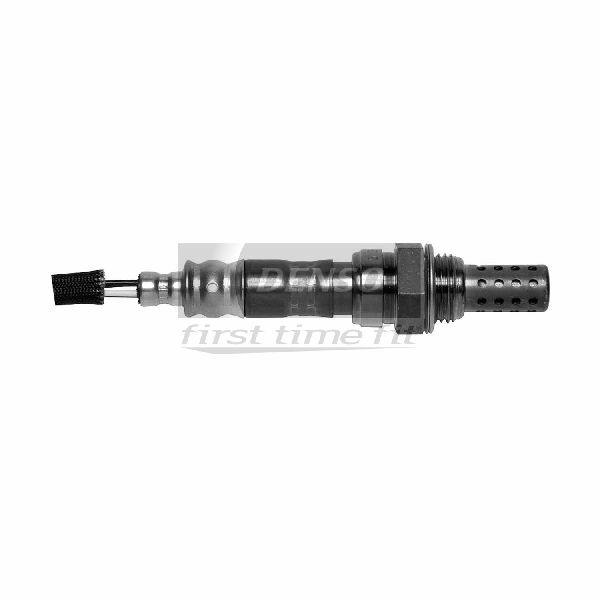
- Denso & NGK (NTK): These brands are major OEM suppliers for Ford and other automakers. Forum and mechanic consensus points to these as the best aftermarket choice for reliability and performance, often being the exact same part as the OEM without the Ford branding.
Tier 2: Quality Aftermarket
These brands have a solid reputation and are a good balance of price and quality.
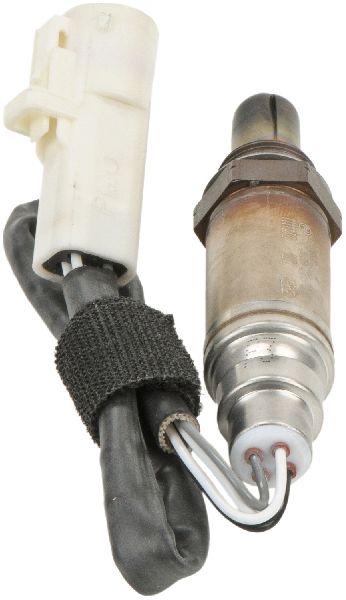
- Bosch: A huge manufacturer, but receives mixed reviews from Ford owners. Some have no issues, while others report that the sensors can be "lazy" or have different warm-up characteristics compared to the original parts. If you choose Bosch, it's best to replace all sensors with Bosch.
- Delphi: Another major OEM supplier with a good reputation for quality electronics.
- Walker Products: A well-known aftermarket exhaust component company. Their sensors are often a reliable, budget-friendly alternative.
Tier 3: Economy Brands
These brands offer the lowest price point, which can be tempting for an older vehicle.
- Spectra & DriveWire: These are budget-focused options. They can be a good choice if the cost is your primary concern, but their long-term durability may not match the premium brands.
| Part Type | Price Range (per sensor) |
|---|---|
| New OEM (Motorcraft) | $70 - $150 |
| New Aftermarket | $25 - $96 |
| Shop Labor | $75 - $150 |
Frequently Asked Questions (FAQ)
What does "Bank 1" vs "Bank 2" mean?
On a V-engine like in the Cougar, the cylinders are split into two "banks." Bank 1 is always the side of the engine with cylinder #1. For the 1994-1997 RWD models, Bank 1 is the passenger side. For the 1999-2002 FWD models, Bank 1 is the cylinder bank closer to the firewall (rear). Bank 2 is the opposite side.
What is the difference between an upstream and downstream sensor?
Upstream sensors (Sensor 1) are located before the catalytic converter. They are the primary sensors used to control the air-fuel mixture. Downstream sensors (Sensor 2) are located after the catalytic converter and their main job is to monitor the converter's efficiency.
Do I need a special tool to replace an O2 sensor?
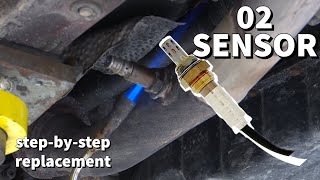
While you can sometimes use a standard 7/8" (22mm) wrench, it is highly recommended to use a special O2 sensor socket. This socket has a slit down the side to fit over the sensor's wire. Using one prevents damage to the wire and provides better leverage, which is helpful since the sensors are often rusted and seized in the exhaust pipe.
🎬 Watch: Pro tips and tricks for removing stubborn oxygen sensorsCan I replace just the one bad sensor?
You can, but it's not recommended. O2 sensors wear out over time. If one has failed due to age, the others are likely not far behind. Sensors also lose responsiveness as they age, so having a new sensor working with old ones can sometimes cause issues. For best performance, replace them in pairs (e.g., both upstream sensors at the same time).
Helpful Videos
Technical Specifications
OEM Part Numbers: F4SZ9F472B F5AZ9F472B F6SZ9F472AA F7CZ9F472AA XF2Z9F472A YS4Z9F472BB
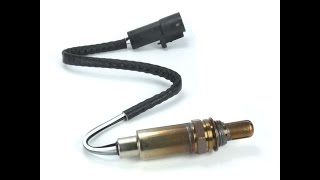
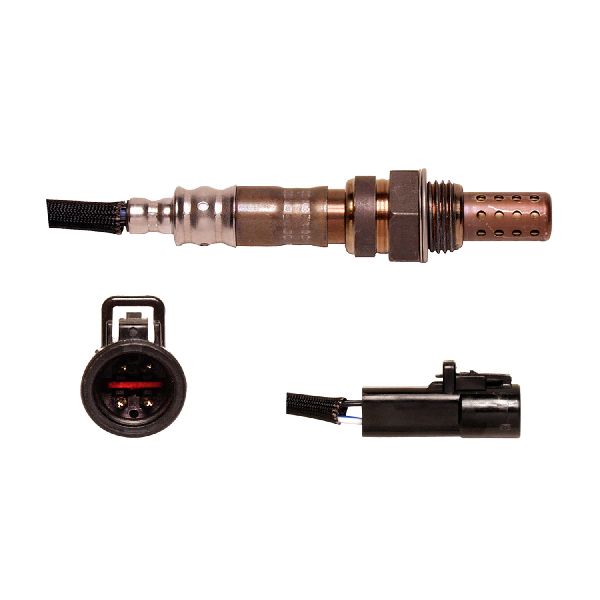
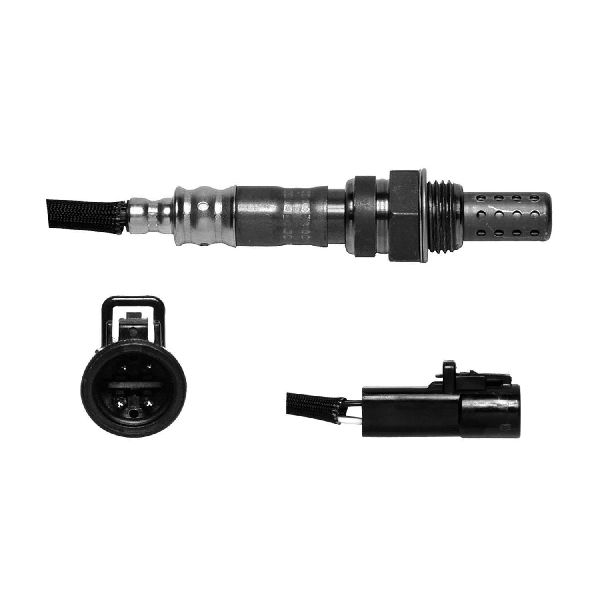
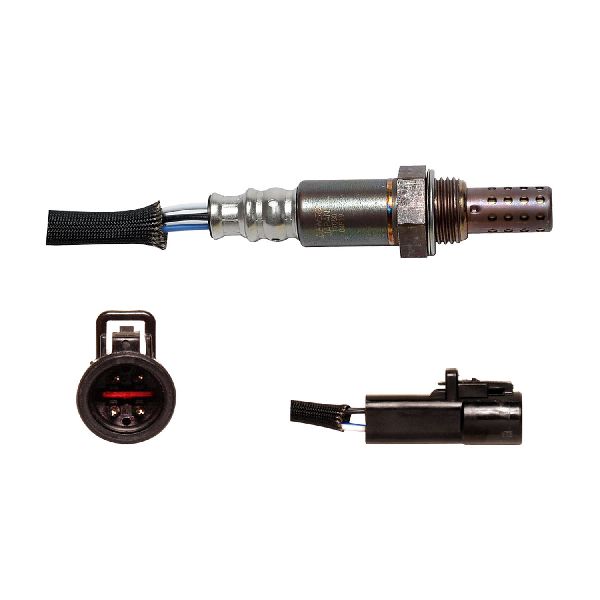
The Mercury Cougar uses heated, 4-wire, narrow-band zirconia oxygen sensors. The specific connector and wire length vary significantly by year, engine, and sensor location (upstream/downstream, bank 1/bank 2). Always verify the exact fit for your specific vehicle before purchasing.
We Have This Part in Stock

The information in this article is provided for general reference and educational purposes only. Vehicle specifications, procedures, and part compatibility can vary by production date, trim level, and region. Always consult your vehicle's factory service manual and verify part numbers before purchasing or performing repairs. Safety-critical components such as airbags, seat belts, and braking systems should be installed by a qualified professional.
- Mercury Cougar: