

Pontiac Firebird 1994-2002 Oxygen Sensor: A Vehicle-Specific Guide
Everything a Firebird owner needs to know about choosing the right replacement oxygen sensor and diagnosing common issues.
- Confirm your engine (V6, LT1, or LS1) to know how many sensors you need; the count varies from two to four.
- Stick with high-quality brands like ACDelco, Denso, or NGK for reliability. Avoid budget brands that are known to fail prematurely.
- Before replacing a driver's side (Bank 1) sensor, check for power steering fluid leaks from above, as this is a known issue that can damage the sensor.
- Sensors are often seized in the exhaust; use penetrating oil and a proper O2 sensor socket for removal.
Is Your Firebird's Oxygen Sensor Failing?

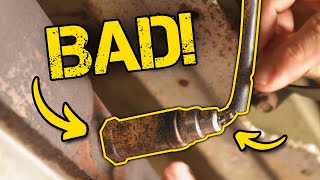
A bad oxygen sensor can cause a range of problems, from annoying to potentially damaging. The most obvious sign is a Check Engine Light on your dashboard. Other common symptoms include a noticeable drop in gas mileage, a rough or unstable idle, and hesitation or stumbling when you accelerate. In some cases, you might smell a 'rotten egg' odor from the exhaust or see black smoke, which indicates a very rich fuel mixture that could eventually damage your catalytic converter.
🎬 Watch: A detailed breakdown of bad oxygen sensor symptoms.A Critical Known Issue: Power Steering Leaks
A General Motors Technical Service Bulletin (TSB #18-NA-009) points out a specific issue for these cars. A leak from the power steering inlet hose, located above the Bank 1 (driver's side) oxygen sensor wiring, can drip fluid onto the harness. This contamination can ruin the sensor and its connector, causing false readings and triggering trouble codes like P0131 or P0132. Before replacing a Bank 1 sensor, always inspect the area above it for any signs of fluid leaks from the power steering system.
🎬 See how to identify and fix these power steering leaks.Choosing the Right Aftermarket O2 Sensor

Not all aftermarket sensors are created equal. For the 4th Generation Firebird, owner experiences show a clear preference for certain brands. They can be grouped into tiers based on quality and reliability.
Tier 1: OEM Quality & Highly Recommended
These brands are either the original equipment manufacturer or have a strong reputation for meeting or exceeding GM's standards. They are the most reliable choices.
- ACDelco: As the original GM parts supplier, ACDelco is the go-to for guaranteed compatibility and performance. Many owners report getting over 100,000 miles on the factory sensors.
- Denso: Widely regarded by Firebird and LS1 owners as a top-tier alternative. Denso is a major OEM supplier for many car brands and is known for its quality and reliability. Some sources suggest Denso became the official GM supplier later in the production run.
- NGK (NTK): NTK is the sensor division of NGK. They are another highly respected Japanese brand known for excellent quality and are a trusted choice among enthusiasts.
Tier 2: Good Quality, With Considerations
These brands are generally solid but come with some specific notes for the Firebird.
- Delphi: Another major OEM supplier, Delphi parts are considered a solid, reliable choice, often on par with ACDelco and Denso.
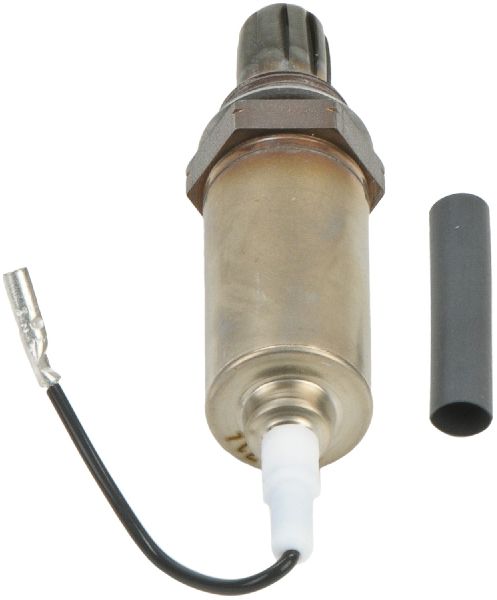
- Bosch: This brand is polarizing in the Firebird community. Many owners use them without any problems. However, a significant number of people report issues with Bosch sensors failing prematurely or being defective out of the box for this specific application. If you have aftermarket long-tube headers, many owners recommend the Bosch #13111, which is for a Corvette but has a longer wire that eliminates the need for an extension harness.
Tier 3: Budget Brands
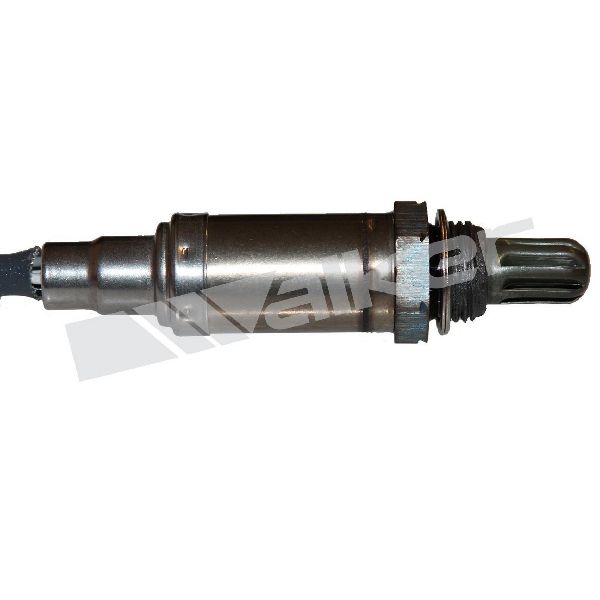
This category includes brands like Walker Products, Spectra, and DriveWire. While their low price is tempting, many Firebird owners on forums advise against using cheaper sensors. They can be less accurate, fail more quickly, and may end up costing more in the long run through poor fuel economy and repeated replacement.
Cost of Oxygen Sensor Replacement (1994-2002 Firebird)
| Part Type | Estimated Cost (Single Sensor) |
|---|---|
| New Aftermarket | $21.81 - $98.19 |
| Shop Labor | $60 - $150 per sensor |
Installation Tip
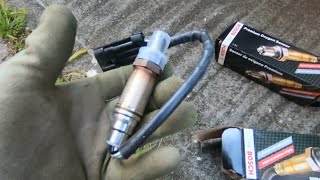
Oxygen sensors can be extremely difficult to remove after years of heat cycles. Always spray the old sensor with a quality penetrating oil and let it soak before attempting removal. A special 7/8" (22mm) O2 sensor socket is highly recommended. When installing the new sensor, apply a small amount of the included anti-seize compound to the threads to make future replacements easier.
🎬 Watch: Step-by-step guide to replacing Firebird oxygen sensors.Frequently Asked Questions

How many oxygen sensors does my Firebird have?
It depends on your engine and year.
- 1994-1997 V8 (LT1): Two sensors, both upstream (before the catalytic converter).
- 1998-2002 V8 (LS1): Four sensors, two upstream and two downstream (after the catalytic converter).
- 1995-2002 V6 (3.8L): Three sensors, an unusual setup with two upstream and only one downstream.
What's the difference between upstream and downstream sensors?
Upstream sensors (also called Sensor 1) are located before the catalytic converter. They are the primary sensors used by the engine computer to make rapid adjustments to the air/fuel mixture. Downstream sensors (Sensor 2) are located after the catalytic converter and are used to monitor the converter's efficiency. A failing downstream sensor will trigger a check engine light but won't typically affect how the engine runs.
Should I replace all the sensors at once?
It's not always necessary, but it can be a good idea. O2 sensors age over time and lose their responsiveness. If one has failed due to high mileage, the others are likely not far behind. Replacing them in sets (e.g., both upstream sensors) can help maintain balanced engine performance.
Can I clean my old oxygen sensor instead of replacing it?
While some people attempt to clean O2 sensors, it is not a reliable or recommended repair. The delicate internal components can be damaged by cleaning, and any fix is usually temporary. Contaminants from fuel and oil penetrate deep into the sensor's ceramic element, making a surface cleaning ineffective. Replacement is the only guaranteed solution.
Helpful Videos
Technical Specifications
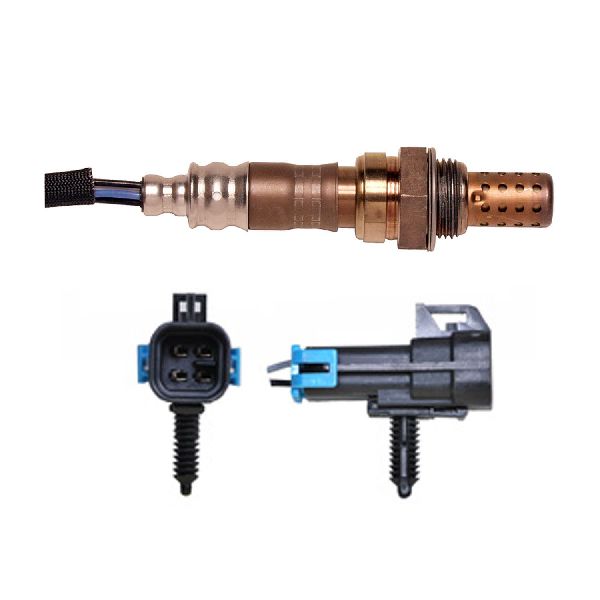
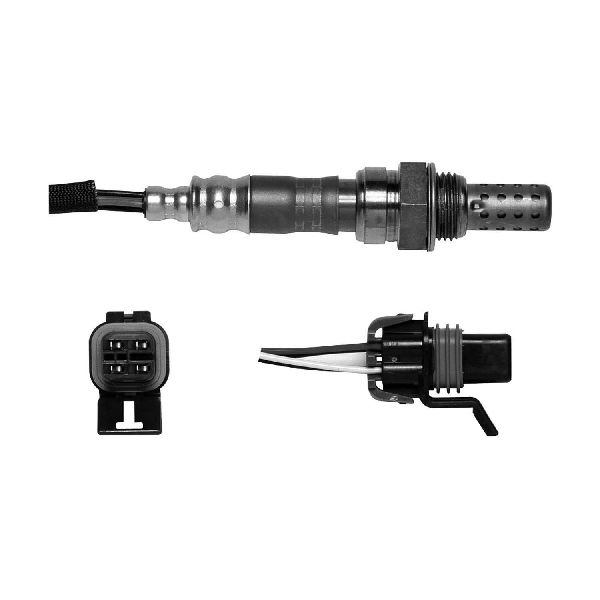
OEM Part Numbers: 19178958 19178924 AFS98 AFS123 AFS109
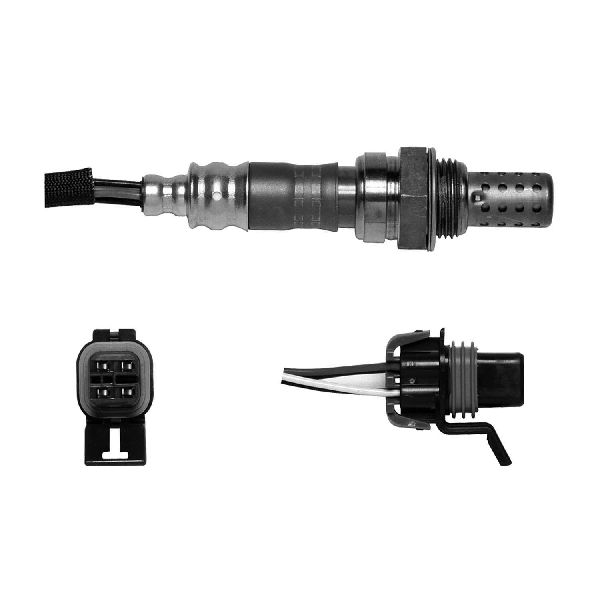
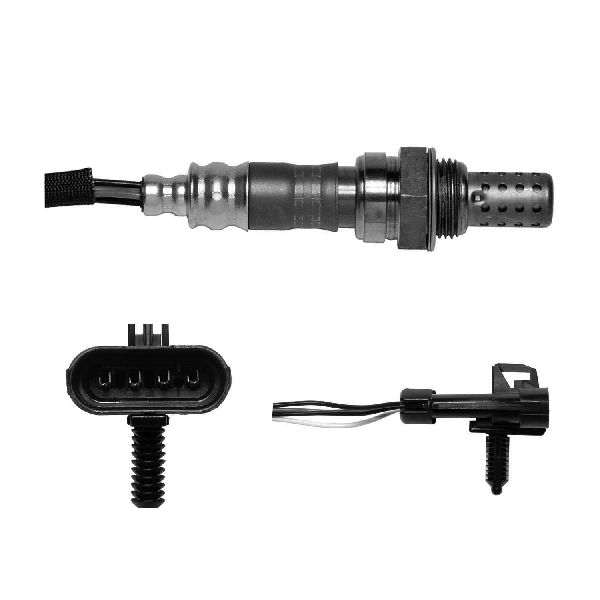
The 1994-2002 Pontiac Firebird uses heated, 4-wire oxygen sensors. The number and location vary by engine: LT1 V8 (2 upstream), LS1 V8 (2 upstream, 2 downstream), and 3.8L V6 (2 upstream, 1 downstream). Upstream and downstream sensors are not interchangeable.
We Have This Part in Stock

The information in this article is provided for general reference and educational purposes only. Vehicle specifications, procedures, and part compatibility can vary by production date, trim level, and region. Always consult your vehicle's factory service manual and verify part numbers before purchasing or performing repairs. Safety-critical components such as airbags, seat belts, and braking systems should be installed by a qualified professional.
- Pontiac Firebird:
- 🎬 Helpful Videos
- 🛍️ Shop This Part
- Is Your Firebird's Oxygen Sensor Failing?
- A Critical Known Issue: Power Steering Leaks
- Choosing the Right Aftermarket O2 Sensor
- Tier 1: OEM Quality & Highly Recommended
- Tier 2: Good Quality, With Considerations
- Tier 3: Budget Brands
- Cost of Oxygen Sensor Replacement (1994-2002 Firebird)
- Installation Tip
- Frequently Asked Questions
- 🎟️ Get 5% Off