

Oxygen Sensor Guide for the 1994-2002 Suzuki Swift
Fix your check engine light and poor gas mileage by choosing the right replacement oxygen sensor for your Swift.
- A bad oxygen sensor will trigger the Check Engine Light and cause poor fuel economy.
- For best results, choose a direct-fit sensor from an OEM-quality brand like Denso or NGK (NTK).
- Replacement is a simple DIY job, but you will need a special oxygen sensor socket.
- No recalls were found for the oxygen sensor on the 1994-2002 Suzuki Swift.
Signs of a Failing Oxygen Sensor in Your Swift
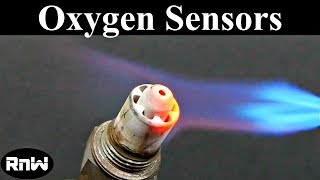
When an oxygen sensor starts to fail, your car will tell you. The most obvious sign is a Check Engine Light on your dashboard. You might also notice your gas mileage getting worse, a rough idle, or a rotten egg smell from the exhaust. If the problem is ignored, it can lead to more serious issues like a damaged catalytic converter, which is a much more expensive repair.
Don't Ignore the Check Engine Light
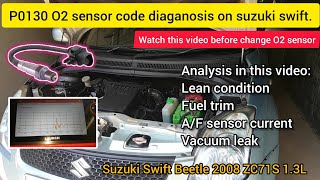
A check engine light for an O2 sensor code means your car is polluting more and burning more fuel than it should. Common codes related to oxygen sensors include P0130, P0133, and others in the P0130-P0167 range. Sometimes, a code can be triggered by another issue, like a vacuum leak, so it's important to diagnose the problem correctly.
🎬 Watch: How to diagnose P0130 codes and check for vacuum leaks.Choosing the Right Aftermarket Oxygen Sensor
For a vehicle like the 1994-2002 Suzuki Swift, a high-quality aftermarket oxygen sensor is a smart and affordable choice. Many aftermarket brands are the same ones that made the original parts for Suzuki. Here’s how the available brands generally stack up.
Brand Quality Tiers
- Top Tier (OEM-Quality): Denso and NGK (NTK) are often the original equipment manufacturers for Japanese vehicles. Choosing one of these brands is the closest you can get to buying a part from the Suzuki dealer, ensuring a perfect fit and reliable performance. Denso is a highly recommended brand for Japanese cars.
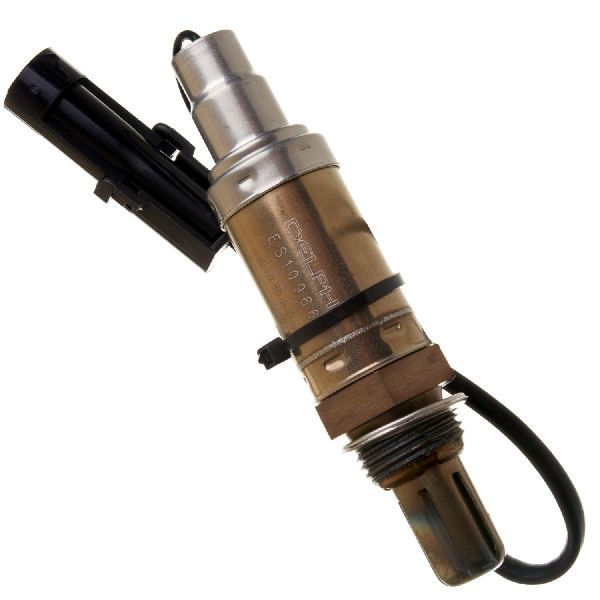
- Reliable Aftermarket: Bosch and Delphi are well-known brands that produce quality sensors. While Bosch is a huge name, some owners of Japanese cars prefer to stick with Denso or NGK for the best compatibility.
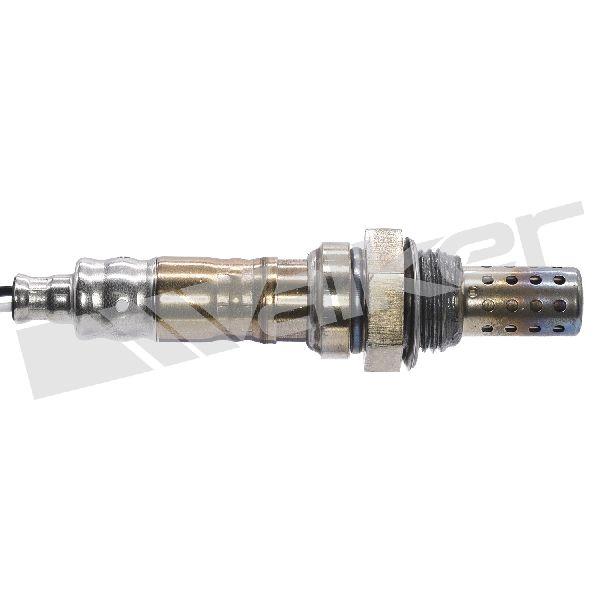
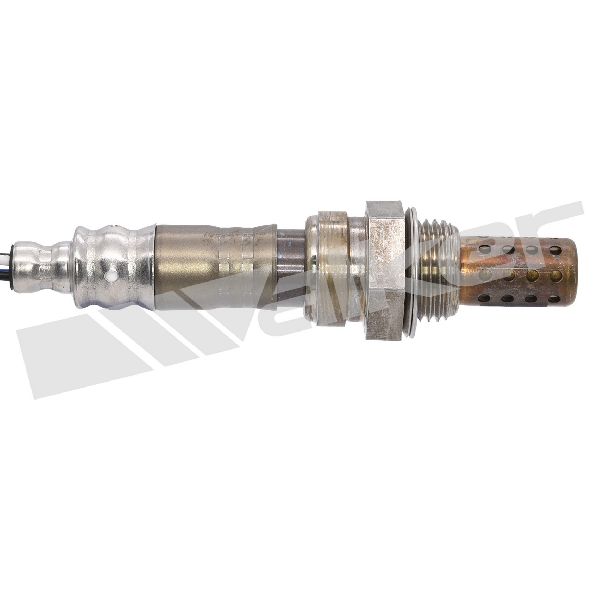
- Value-Oriented: Brands like Spectra, Walker Products, and DriveWire offer a more budget-friendly option. They can be a good choice if you're on a tight budget, but they may not offer the same lifespan as the top-tier brands.
Direct-Fit vs. Universal
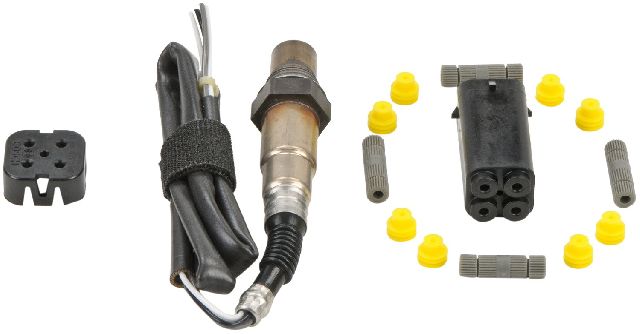
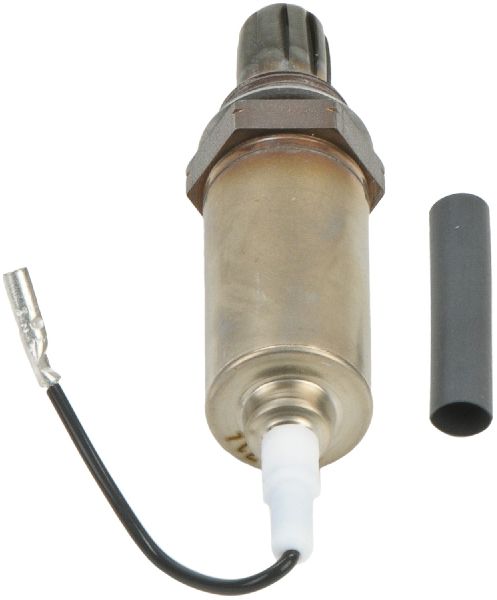
Always choose a "direct-fit" sensor. These come with the correct electrical connector for your Swift, making installation a simple plug-and-play process. A "universal" sensor requires you to cut and splice wires, which can lead to connection problems down the road.
How Many Oxygen Sensors Does My Swift Have?
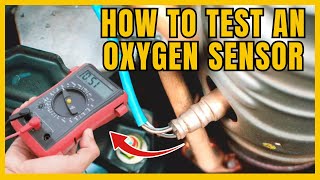
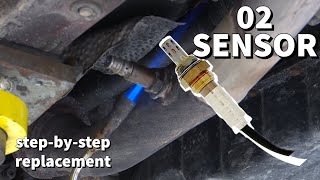
Vehicles from 1996 and newer have at least two oxygen sensors: one "upstream" (before the catalytic converter) and one "downstream" (after the catalytic converter). Models from 1994-1995 may only have one upstream sensor. The upstream sensor is the most critical for engine performance, while the downstream sensor primarily monitors the health of the catalytic converter. It's important to identify which sensor has failed 🎬 See this step-by-step O2 sensor replacement on a 1999 Metro. before ordering a replacement.
Cost of Replacing a Suzuki Swift Oxygen Sensor
| Part Type | Estimated Cost |
|---|---|
| New Aftermarket | $25.24 - $138.86 |
| Shop Labor | $50 - $125 |
| Total Estimated Cost (Aftermarket) | $75 - $264 |
Frequently Asked Questions (FAQ)
Can I replace the oxygen sensor myself?
Yes, this is a very DIY-friendly job for most home mechanics. The sensor is located on the exhaust and can usually be accessed from the engine bay or by safely raising the vehicle. You will need a special oxygen sensor socket, which has a slot for the wire, to make removal and installation easier.
🎬 Watch: Pro tips and tricks for replacing your oxygen sensor.Do I need a special tool to replace the O2 sensor?
It is highly recommended to use an oxygen sensor socket. This tool is designed to fit over the sensor while allowing the wire to pass through a slot. Using a standard wrench can be difficult and may damage the sensor or the wire.
Should I replace both oxygen sensors at the same time?
It is not required, but it is often recommended. Oxygen sensors age over time, and if one has failed, the other may not be far behind. Replacing them in pairs can save you time and ensure the engine management system gets accurate readings from all sensors.
Can I clean an old oxygen sensor?
While some people attempt to clean O2 sensors, it is generally not a reliable or long-term solution. Contaminants can foul the sensor internally where they can't be cleaned. Given the affordable price of new aftermarket sensors, replacement is the best option to ensure proper function and restore performance.
Helpful Videos

Technical Specifications
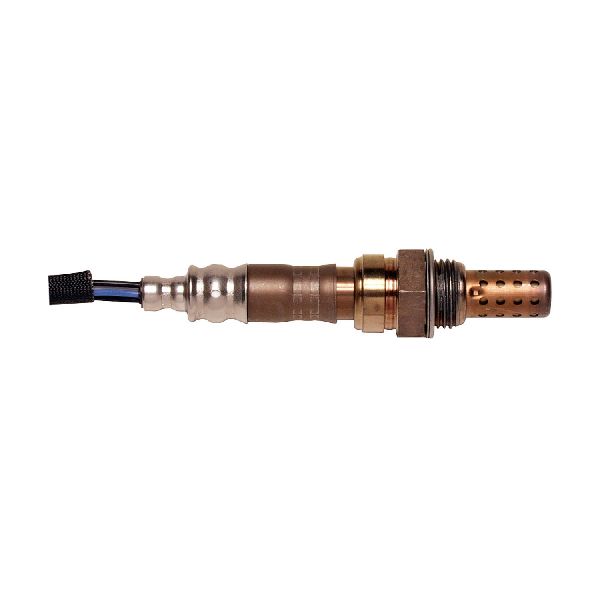
Depending on the model year (pre- or post-1996), the vehicle will have one or two oxygen sensors. Sensors are located in the exhaust manifold (upstream) and/or after the catalytic converter (downstream).
We Have This Part in Stock

The information in this article is provided for general reference and educational purposes only. Vehicle specifications, procedures, and part compatibility can vary by production date, trim level, and region. Always consult your vehicle's factory service manual and verify part numbers before purchasing or performing repairs. Safety-critical components such as airbags, seat belts, and braking systems should be installed by a qualified professional.
- Suzuki Swift:
- 🎬 Helpful Videos
- 🛍️ Shop This Part
- Signs of a Failing Oxygen Sensor in Your Swift
- Don't Ignore the Check Engine Light
- Choosing the Right Aftermarket Oxygen Sensor
- Brand Quality Tiers
- Direct-Fit vs. Universal
- How Many Oxygen Sensors Does My Swift Have?
- Cost of Replacing a Suzuki Swift Oxygen Sensor
- Frequently Asked Questions (FAQ)
- 🎟️ Get 5% Off