

Chevrolet Camaro Disc Brake Pad Set (1994-2003) Knowledge Base
Everything you need to know about choosing the right new aftermarket brake pads for your 4th Generation Camaro.
- For most 1994-2003 Camaro owners, a premium ceramic or semi-metallic pad from brands like Wagner, Raybestos, Bosch, or Akebono offers the best balance of performance, noise, and low dust for daily driving.
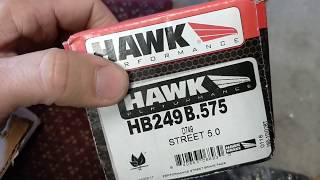
- Performance-oriented drivers often upgrade to pads from Hawk (HPS) or Powerstop (Z26) for better stopping power, but should expect more dust.
- It is highly recommended to replace rotors at the same time as brake pads to ensure proper performance and avoid noise or vibration issues.
- Brake pad replacement is a DIY-feasible job for those with basic mechanical skills and tools; the process is well-documented in videos and forums.
Symptoms of Failing Brake Pads
Worn-out brake pads can't be ignored. They are a critical safety component. If you notice any of these signs, it's time to inspect your brakes immediately.
- Squealing or Screeching Noises: Most brake pads have a small metal tab called a wear indicator. When the pad material wears down, this tab scrapes against the rotor, making a high-pitched noise to alert you it's time for a replacement.
- Grinding Sounds: If you hear a deep, metallic grinding, it's a serious issue. This often means the pad material is completely gone, and the metal backing plate is grinding against the rotor. This can quickly damage the rotors, leading to a more expensive repair.
- Vibration or Pulsing: A pulsing or vibrating feeling in the brake pedal or steering wheel when you brake can be caused by unevenly worn pads or warped rotors. Sometimes, aggressive pad material can leave uneven deposits on the rotor, causing this sensation.
- Longer Stopping Distances: If you feel like your Camaro isn't stopping as quickly as it used to, your brake pads may be too worn to create the necessary friction.
- Spongy or Soft Brake Pedal: While this can also indicate problems with brake fluid or the master cylinder, it can be a symptom of extremely worn pads.
Choosing the Right Aftermarket Brake Pads
The stock brakes on the 4th-gen Camaro are generally considered adequate for normal driving, but many owners seek upgrades for better performance, less dust, or quieter operation. Aftermarket pads offer a wide range of options to suit your specific needs.
OEM vs. Aftermarket Quality
For this generation of Camaro, aftermarket brake pads can offer significant advantages over the original stock pads. OEM pads are designed for a balance of cost, quietness, and decent performance for the average driver. However, aftermarket brands specialize in creating pads that excel in specific areas. You can get pads with much higher heat tolerance for performance driving or low-dust ceramic pads to keep your wheels clean, often for a similar or lower price than OEM replacements.
Aftermarket Brand Tiers for Your Camaro
| Tier | Brands | Best For |
|---|---|---|
| Performance Street / Autocross | Hawk (HPS, HP+), EBC Brakes (Redstuff), Powerstop (Z26), Brembo | Owners who prioritize stopping power and heat resistance for spirited driving or occasional track use. Expect more brake dust and potential for noise compared to other tiers. |
| Premium Daily Driver | Akebono, Bosch, Wagner (ThermoQuiet), Raybestos (Element3), Centric (Posi-Quiet) | The best choice for most owners. These pads offer OEM-or-better performance, low noise, and reasonable dust levels. Ceramic formulations are common in this category. |
| Economy / Standard Replacement | Dynamic Friction, Pronto, Total Stopping Solutions, Carquest Standard | Budget-friendly options for daily commuting. They will stop the car safely but may not offer the longevity, low dust, or quiet operation of premium pads. |
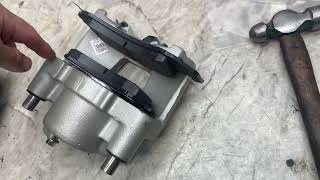
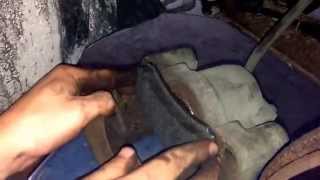
Pro Tip: Many Camaro owners on forums like LS1Tech recommend Hawk HPS pads for a great balance of street performance and drivability. For less brake dust with good street manners, ceramic pads from brands like Akebono, Hawk, or Powerstop are popular choices. Always replace pads and rotors together 🎬 Watch this step-by-step guide on replacing your front brake pads. if the rotors are worn, grooved, or warped.
Known Issues, Recalls, and TSBs
Our search found no specific recalls or widespread Technical Service Bulletins (TSBs) directly related to the disc brake pads for the 1994-2003 Chevrolet Camaro. Most brake issues on these cars are related to normal wear and tear. However, some owners report issues with warped rotors, which can be caused by excessive heat from aggressive driving or pairing very hard ceramic pads with standard rotors. Using quality, 🎬 See how to replace pads, rotors, and calipers on your Camaro. well-matched pads and rotors is the best prevention.
Frequently Asked Questions (FAQ)
What's the difference between ceramic and semi-metallic pads?
Ceramic pads are known for being quiet, producing very little brake dust, and having a long life. They are great for daily driving. Semi-metallic pads contain metal fibers that help dissipate heat and provide a more aggressive "bite." They offer excellent performance, especially when hot, but tend to be dustier, noisier, and wear rotors faster than ceramics.
Do I need to replace my rotors when I replace my pads?
It's highly recommended. While you can sometimes get away with just replacing the pads if the rotors are in excellent, near-new condition, it's best practice to replace them as a set. New pads need a perfectly flat, clean surface to bed-in properly. Putting new pads on old, worn rotors can lead to noise, vibration, and reduced performance.
What are the torque specs for a 4th-gen Camaro brake job?
While specific torque specs can vary slightly by year and model, general specs are around 18-19 ft-lbs for the caliper guide pins and 100 ft-lbs for the wheel lug nuts. Always consult a service manual for your specific year and model (V6, Z28, SS) to ensure you are using the correct values.
Why are performance pads like Hawk HP+ not recommended for the street?
Pads like the Hawk HP+ are designed for autocross or track use. They require heat to work effectively and can have a weak initial bite when cold. They are also very dusty and can be noisy during normal street driving, which most drivers find unpleasant for a daily commute.
Helpful Videos

Technical Specifications
Brake pad replacement requires a 3/8" Allen socket or key for the caliper guide pins and an 18mm socket for the caliper bracket bolts on LS1 models. V6 and LT1 models may have slightly different hardware. Always use brake lubricant on guide pins and pad contact points to prevent noise.
We Have This Part in Stock
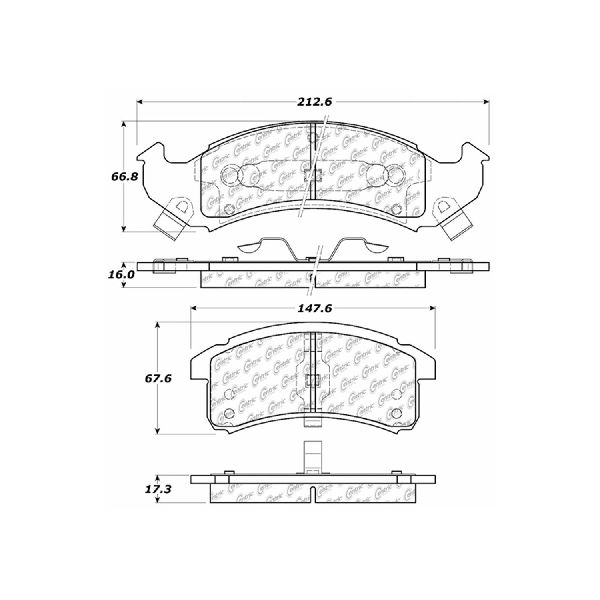
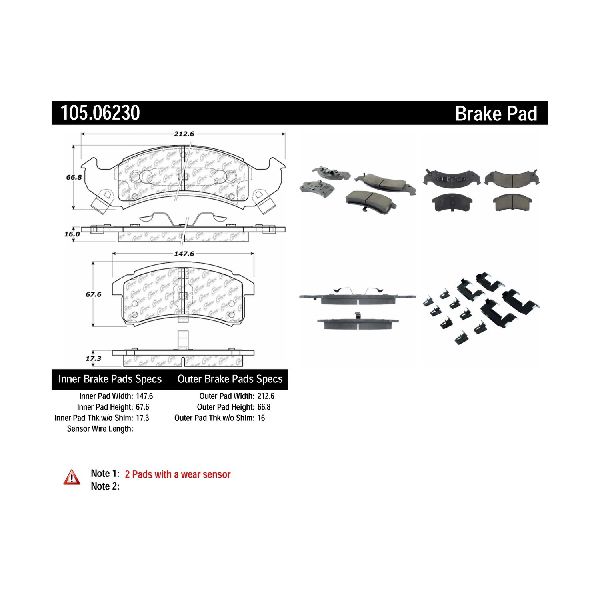
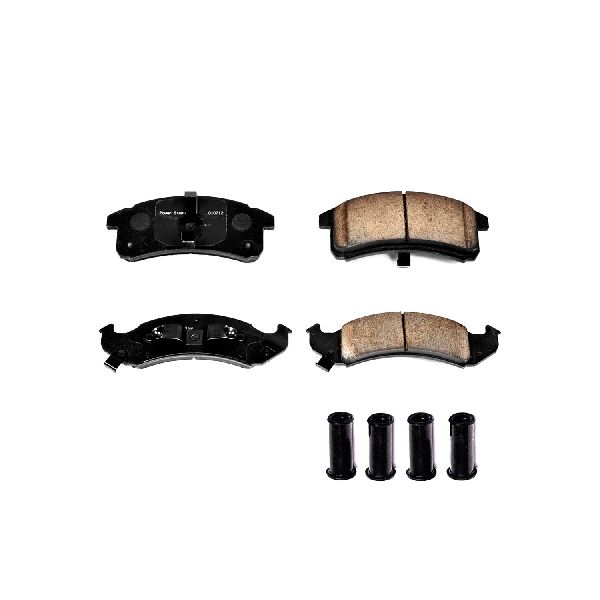
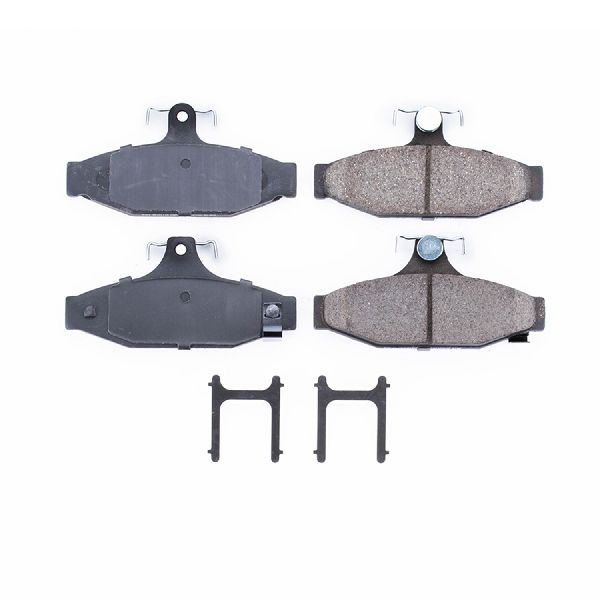
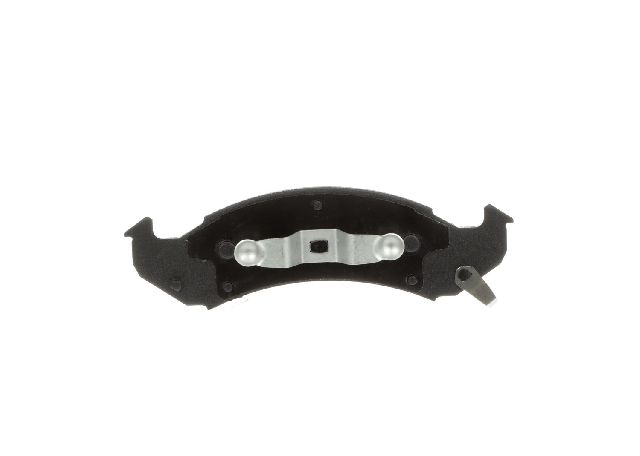
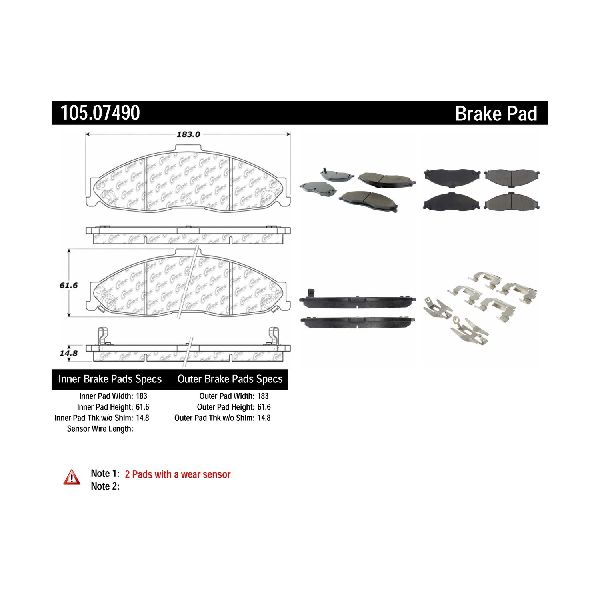

The information in this article is provided for general reference and educational purposes only. Vehicle specifications, procedures, and part compatibility can vary by production date, trim level, and region. Always consult your vehicle's factory service manual and verify part numbers before purchasing or performing repairs. Safety-critical components such as airbags, seat belts, and braking systems should be installed by a qualified professional.
- Chevrolet Camaro: