

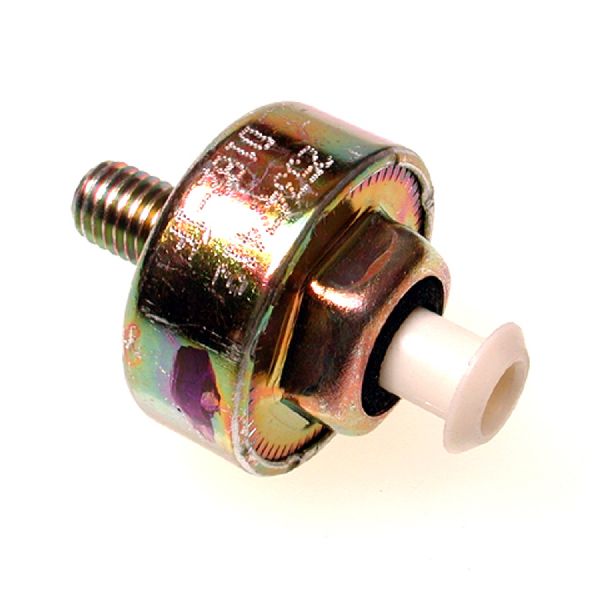
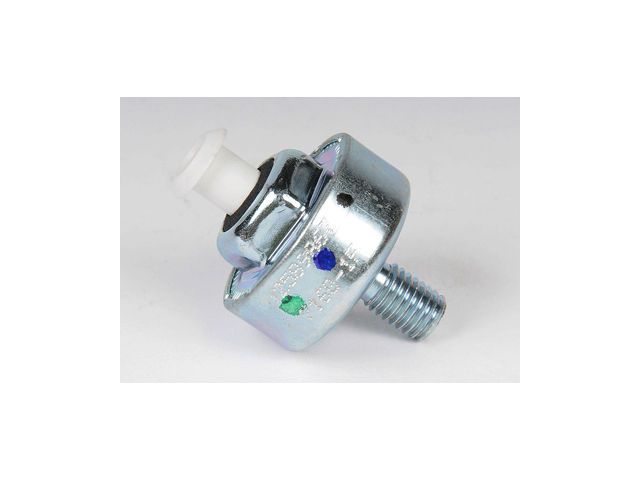
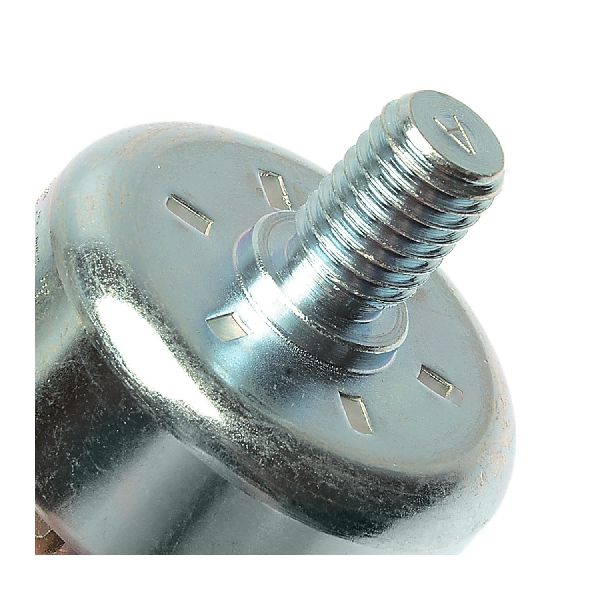
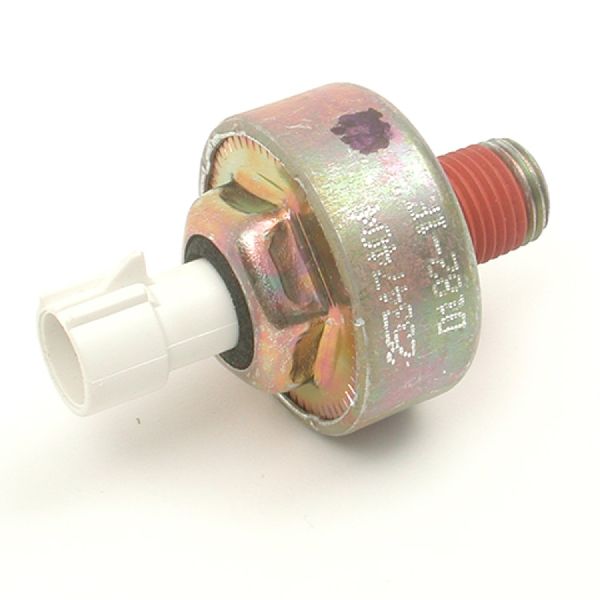
Ignition Knock Sensor for the 1994-2003 Chevrolet Camaro
Protect your Camaro's engine and restore performance by understanding how to choose the right knock sensor.
- For 1998-2003 LS1 engines, always replace both knock sensors and the wiring harness simultaneously due to the high labor cost of accessing them.
- Stick to OEM brands like ACDelco or high-quality aftermarket like Delphi to avoid repeat failures and incorrect readings.
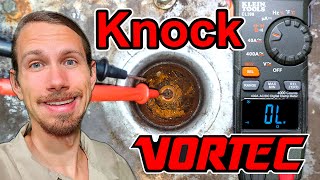
- On LS1 engines, apply RTV sealant to create a dam around the new sensors to prevent water intrusion, a known issue outlined in a GM TSB.
- Ensure the new sensors are torqued to the correct specification (15 lb ft for LS1) as this is critical for proper function.
Is a Bad Knock Sensor a Serious Problem?
A failing knock sensor can cause a range of issues for your Camaro. The most common sign is the Check Engine Light, often with codes like P0325, P0327, or P0332. You might also notice reduced engine power, poor acceleration, and worse gas mileage. In some cases, you may hear a metallic pinging or rattling noise from the engine, especially under load. When the sensor fails, the engine's computer often defaults to a "safe" mode, retarding the ignition timing to prevent potential damage, which is what causes the sluggish performance.
Generation Differences are Critical for This Repair
The location and replacement difficulty of the knock sensor are very different between the two engine types in this Camaro generation.
- 1994-1997 LT1 Engine: These models have one knock sensor located on the passenger's side of the engine block, in front of the starter. While it can be in a tight spot, it is accessible from under the car without removing major components. Be aware that coolant will drain from the block when the sensor is removed.
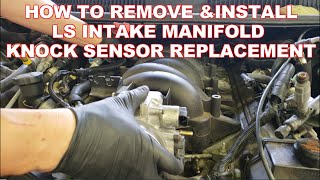
- 1998-2003 LS1 Engine: These models have two knock sensors located under the intake manifold in the engine's valley. Replacing them is a much more involved job that requires removing the entire intake manifold. 🎬 See how to remove the intake manifold and replace LS1 sensors. Due to the labor involved, it is highly recommended to replace both sensors and the wiring harness at the same time.
Known Issues for LS1 (1998-2003) Models
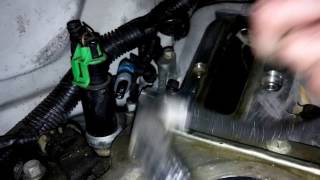
A GM Technical Service Bulletin (TSB #02-06-04-023A) addresses a common problem on LS1 engines where water enters the sensor cavities, causing corrosion and failure of the rear knock sensor. This often happens after washing the engine. The official fix involves replacing the corroded sensor and applying a bead of RTV silicone to create a dam that diverts water away from the sensor area. 🎬 Learn how to fix common P0332 and P0327 codes on GM engines. When replacing these sensors, it is also critical to replace the wiring harness, as the connectors can become brittle and corroded.
Choosing the Right Aftermarket Knock Sensor
For a sensitive part like a knock sensor, quality matters. Camaro owners and mechanics strongly advise against using cheap, unbranded parts, which are known to fail quickly or be improperly calibrated, causing persistent error codes.
Tier 1: OEM & Premium Aftermarket
ACDelco is the original equipment manufacturer (OEM) for GM, and Delphi was a major OEM supplier. These brands are the most recommended for reliability and proper function. They are designed to the exact specifications your Camaro's computer expects. Using ACDelco or Delphi is the safest bet to ensure the problem is fixed correctly the first time.
Tier 2: Reputable Aftermarket Brands
Brands like NGK/NTK, Standard Ignition (SMP), and Walker Products have a reputation for producing quality sensors. While they may not be the original part, they are generally considered reliable alternatives to the premium brands. Some users have also reported success with Duralast parts.
Tier 3: Economy Brands
This category includes lesser-known or private-label brands like Global Parts, True Tech, and Holstein. While they offer a lower price, they are a gamble. Forum discussions frequently mention issues with cheap aftermarket sensors causing immediate or recurring check engine light codes, forcing the job to be done twice. Given the intensive labor for LS1 models, saving a few dollars on a Tier 3 sensor is not recommended.
Pro Tip: Always Replace the LS1 Harness
For 1998-2003 models, the knock sensor wiring harness sits in the same valley as the sensors, exposed to heat and potential moisture. The plastic connectors become brittle and the seals fail. It is considered essential practice to replace the harness (Part No. 12601822) whenever you replace the sensors.
| Part/Service | Estimated Cost |
|---|---|
| New Aftermarket Sensor | $40 - $98 |
| New OEM (ACDelco) Sensor | $50 - $110 |
| Shop Labor (LT1 Engine) | $100 - $200 |
| Shop Labor (LS1 Engine) | $350 - $600+ (includes harness replacement) |
Frequently Asked Questions
What are the main symptoms of a bad knock sensor on a Camaro?
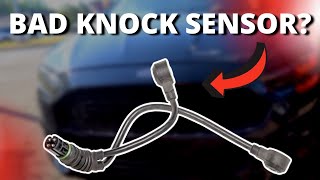
The most common symptoms are an illuminated Check Engine Light (codes P0325, P0327, P0332), noticeably sluggish acceleration, reduced fuel economy, and sometimes an audible engine ping or knock.
🎬 Watch this video to learn more about bad knock sensor symptoms.Why is the replacement so much harder on 1998-2003 Camaros?
On the LS1 engine used from 1998-2003, the two knock sensors are located deep in the engine valley, underneath the entire intake manifold. To access them, a mechanic must remove the air intake, throttle body, fuel rails, injectors, and the manifold itself, making it a labor-intensive job.
Can I use a cheaper knock sensor from an online marketplace?
It is strongly discouraged. Many Camaro owners report that cheap, no-name sensors are often not sensitive enough or are improperly calibrated, leading to persistent check engine light codes and poor performance. Sticking with reputable brands like ACDelco or Delphi is highly recommended, especially for the labor-intensive LS1 engine.
Do I need to torque the knock sensors to a specific value?
Yes, proper torque is critical for knock sensors to function correctly. The specification for LS1 engines is 15 lb ft (20 N·m). Over or under-tightening the sensor can affect its ability to detect vibrations accurately, potentially leading to false readings or failure to detect real knock.
Helpful Videos

Technical Specifications
OEM Part Numbers: 10456603 12589867 213-3521
Location varies by engine: LT1 models (1994-1997) have one sensor on the passenger side of the block. LS1 models (1998-2003) have two sensors under the intake manifold. LS1 sensor torque spec is 15 lb ft.
We Have This Part in Stock


The information in this article is provided for general reference and educational purposes only. Vehicle specifications, procedures, and part compatibility can vary by production date, trim level, and region. Always consult your vehicle's factory service manual and verify part numbers before purchasing or performing repairs. Safety-critical components such as airbags, seat belts, and braking systems should be installed by a qualified professional.
- Chevrolet Camaro: