

Chevrolet Camaro Oxygen Sensor Guide for 1994-2003 Models
Everything a fourth-generation Camaro owner needs to know about replacing faulty oxygen sensors for better performance and fuel economy.
- Verify the number of sensors your Camaro needs; 1996+ models have four, while earlier models have two or three.
- Use a code scanner to identify which specific sensor has failed before buying parts.
- For best results and longevity, choose OEM-equivalent brands like ACDelco, Denso, or NGK.
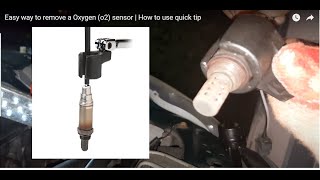
- Using a special O2 sensor socket will make removal and installation much easier, especially if the old sensor is rusted in place.
Understanding Your Camaro's Oxygen Sensors

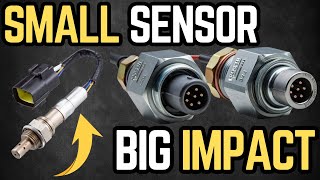
The oxygen sensors on your 1994-2003 Camaro are essential for keeping the engine running smoothly. They constantly check the exhaust gases to help the computer fine-tune the air-fuel ratio. Over time, these sensors wear out and need replacement. A bad sensor can hurt your gas mileage, cause the engine to run rough, and even damage your catalytic converter.
Generation and Engine Differences (1994-2003)
It's very important to know how many sensors your specific Camaro has, as it changed during this generation:
- 1994-1995 (OBD-I): These earlier models have fewer sensors. V8 LT1 engines typically have two sensors, one on each exhaust manifold before the catalytic converter. V6 models from these years may have two or three sensors.
- 1996-2002 (OBD-II): With the switch to OBD-II, Camaros started using four oxygen sensors. There are two "upstream" sensors (also called Bank 1 Sensor 1 and Bank 2 Sensor 1) before the catalytic converters and two "downstream" sensors (Bank 1 Sensor 2 and Bank 2 Sensor 2) after them. The upstream sensors are for fuel control, while the downstream sensors primarily monitor the health of the catalytic converters.
Common Ordering Mistake
Always verify your Camaro's year and engine (V6 or V8) before ordering. The number and type of sensors (upstream vs. downstream) are different. Upstream and downstream sensors are not interchangeable, and sometimes have different wire lengths and connectors.
Choosing the Right Aftermarket Oxygen Sensor

While OEM ACDelco sensors are a reliable choice, several aftermarket brands offer excellent quality, often for less money. For the 4th Gen Camaro, owner experiences suggest a few tiers of quality.
- Top Tier (OEM-Equivalent): Brands like ACDelco (the original part), Denso, and NGK/NTK are highly recommended by Camaro owners. Denso is noted by some as being the current supplier to GM and having a better design. These brands provide the best reliability and performance, closely matching the original factory parts.
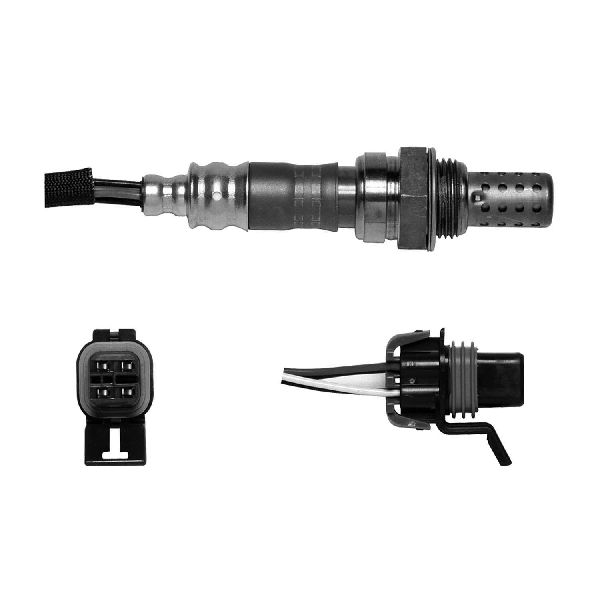
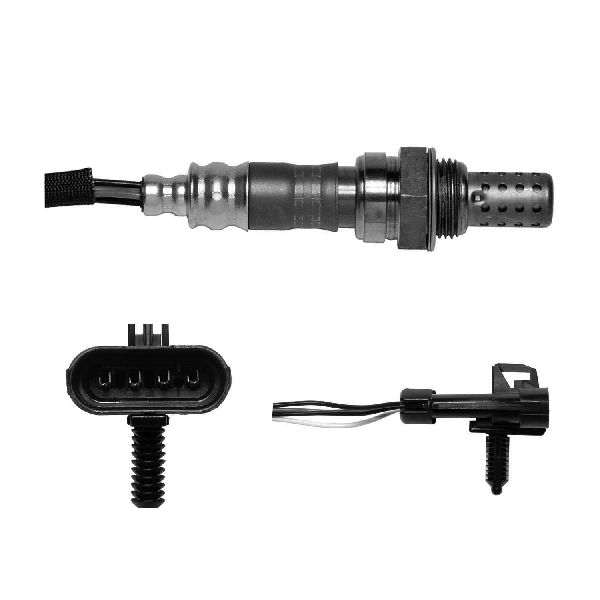
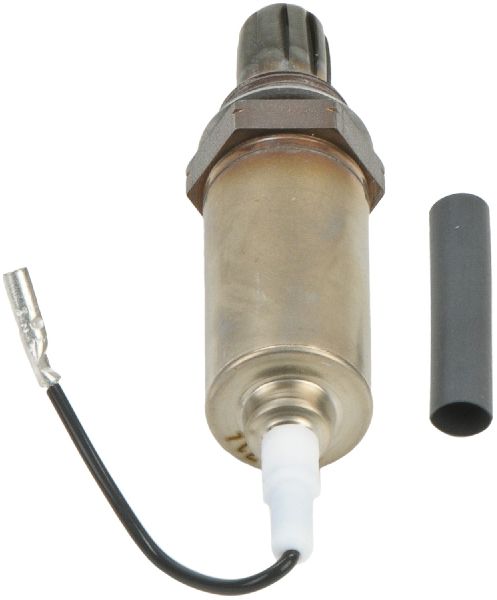
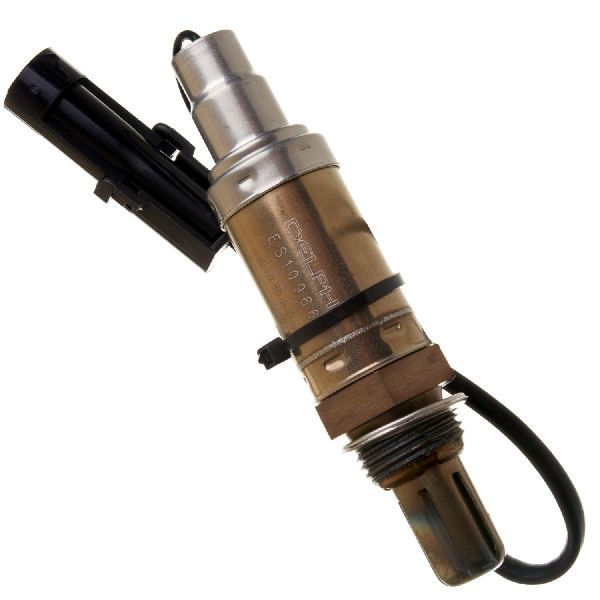
- Mid-Tier (Reputable Aftermarket): Bosch and Delphi are also popular choices. However, forum discussions show mixed reviews for Bosch sensors on LS1 engines; some owners have great success, while others report issues or premature failure. The Bosch 13111 model is frequently mentioned as a good option for cars with long-tube headers because its longer wire harness eliminates the need for extensions. Delphi is also considered a solid choice when you can find them.
- Economy Tier: Brands like DriveWire, Spectra, Vemo, and Walker Products are typically more budget-friendly. They can be a good value for a daily driver, but may not have the same longevity or precise calibration as the top-tier brands.
Pro Tip: Replacing in Pairs
If one upstream sensor fails, it's a good practice to replace both at the same time. This ensures balanced readings from both sides of the engine. The same logic applies to the downstream sensors.
Cost of Replacing a Chevrolet Camaro Oxygen Sensor

| Part Category | Estimated Cost Range |
|---|---|
| New Aftermarket Sensor | $21.81 - $98.19 |
| Shop Labor | $50 - $150 per sensor |
| Total Professional Replacement (1 Sensor) | $72 - $248 |
Cost estimates are for a single sensor and can vary based on location and the specific sensor being replaced.
Frequently Asked Questions (FAQ)

How many oxygen sensors does my Camaro have?
If your Camaro is a 1996 or newer model, it has four O2 sensors. If it's a 1994-1995 model, it likely has two (one for each engine bank). Always confirm based on your specific year and engine.
What is the difference between an upstream and downstream sensor?
Upstream sensors (Sensor 1) are located before the catalytic converter and are the primary sensors used by the computer to adjust the air-fuel mixture. Downstream sensors (Sensor 2) are located after the catalytic converter and mainly serve to monitor the converter's efficiency.
Do I need a special tool for replacement?
Yes, a special oxygen sensor socket is highly recommended. It has a slot for the sensor's wire to pass through, allowing you to fit the socket over the sensor. A 7/8" or 22mm wrench can also work, but the socket makes the job much easier, especially in tight spaces.
Why are there so many error codes for my O2 sensors?
A single failing sensor can trigger multiple codes related to its performance, such as slow response, low voltage, or heater circuit malfunction. For example, codes P0131, P0133, and P0135 all point to the Bank 1, Sensor 1. It's important to use a code scanner to identify which specific sensor is causing the problem.
Do I need to apply anti-seize to the new sensor?
Yes, applying a small amount of anti-seize compound to the threads of the new sensor is a good idea. This will make it much easier to remove in the future. Many new sensors come with anti-seize already applied or include a small packet. Be careful not to get any on the sensor's tip.
Helpful Videos
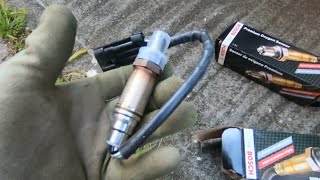
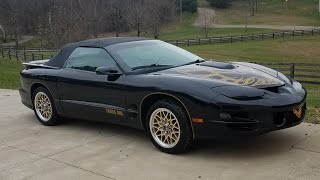
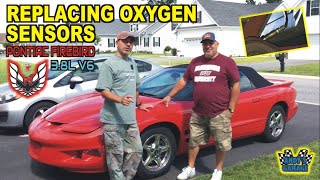
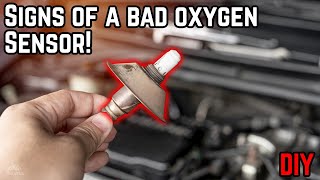
Technical Specifications
OEM Part Numbers: 25162693
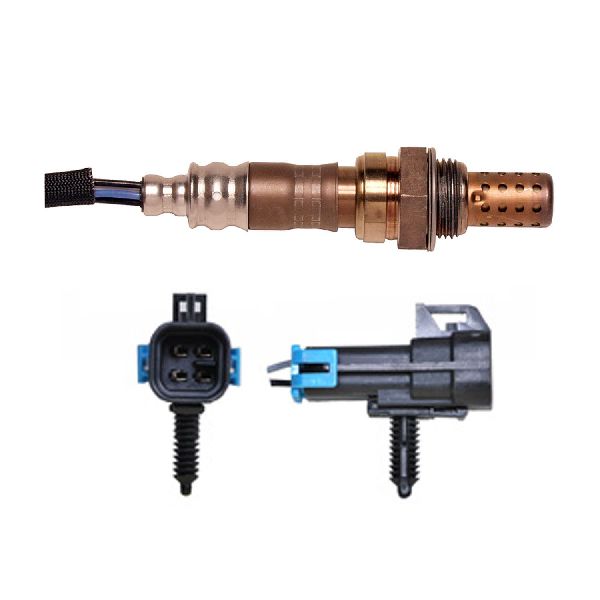
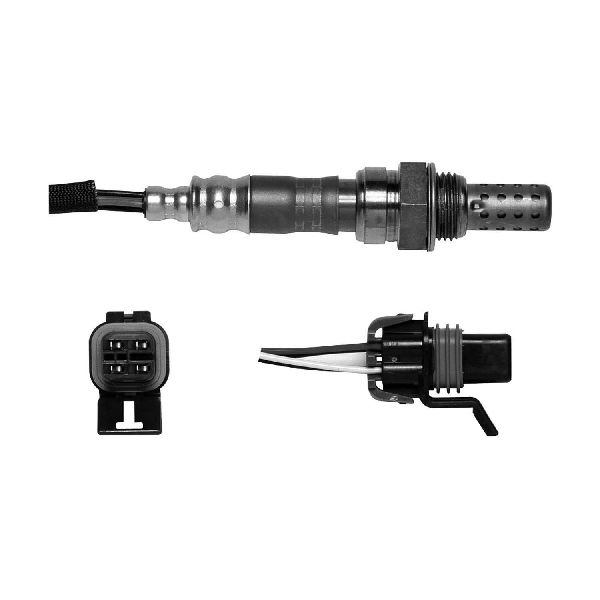
Thread Size: M18x1.5. Connector type and wire length vary by location (Upstream/Downstream, Left/Right) and year. Most are heated 4-wire sensors for this generation.
We Have This Part in Stock

The information in this article is provided for general reference and educational purposes only. Vehicle specifications, procedures, and part compatibility can vary by production date, trim level, and region. Always consult your vehicle's factory service manual and verify part numbers before purchasing or performing repairs. Safety-critical components such as airbags, seat belts, and braking systems should be installed by a qualified professional.
- Chevrolet Camaro:
- 🎬 Helpful Videos
- 🛍️ Shop This Part
- Understanding Your Camaro's Oxygen Sensors
- Generation and Engine Differences (1994-2003)
- Common Ordering Mistake
- Choosing the Right Aftermarket Oxygen Sensor
- Pro Tip: Replacing in Pairs
- Cost of Replacing a Chevrolet Camaro Oxygen Sensor
- Frequently Asked Questions (FAQ)
- 🎟️ Get 5% Off