

Ford E-150 Econoline Radiator Coolant Hose Guide (1994-2003)
Keep your Econoline's engine cool by understanding its complex radiator hoses and choosing the right replacement.
- The lower radiator hose is a complex, expensive "octopus" assembly; inspect it carefully.
- Symptoms include leaks, overheating, and visible damage like cracks or bulges.
- Replacement is difficult due to tight engine access in the van's interior engine bay.
- For aftermarket, Gates is a highly recommended brand for fit and quality on these vans.
Signs of a Failing Radiator Hose
A bad radiator hose is a serious issue. If you see any of these signs, it's time for an inspection. Squeezing the hoses when the engine is cool can reveal problems; they should be firm but not rock-hard or mushy. A crunching sound when squeezed means the internal lining has degraded.
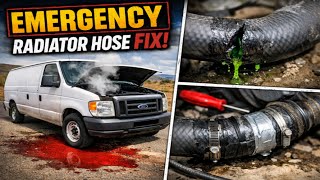
- Coolant Leaks: Puddles of green, yellow, or pink fluid under the front of your van are a tell-tale sign. 🎬 Watch this video to see how to trace a coolant leak. The leak is often where the hose connects to the radiator or engine.
- Visible Damage: Look for cracks, splits, or holes in the hoses. A bulging or swollen hose is weak and could burst at any moment.
- Spongy or Soft Spots: When the engine is cool, squeeze the hoses. Any soft or mushy spots indicate the hose is deteriorating from the inside out.
- Engine Overheating: If your temperature gauge climbs into the red, a failing hose could be the cause. Steam coming from under the hood is a sign of a major leak.
- Low Coolant Light: A frequent need to top off your coolant reservoir points to a leak somewhere in the system.
Choosing the Right Aftermarket Hose
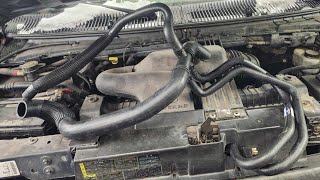
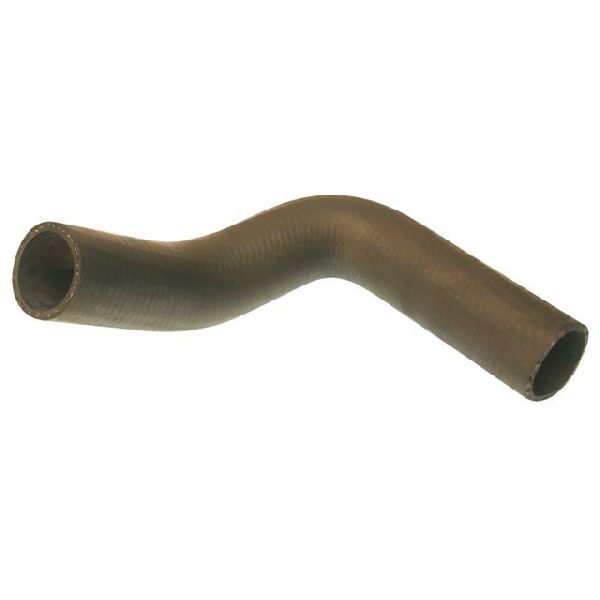
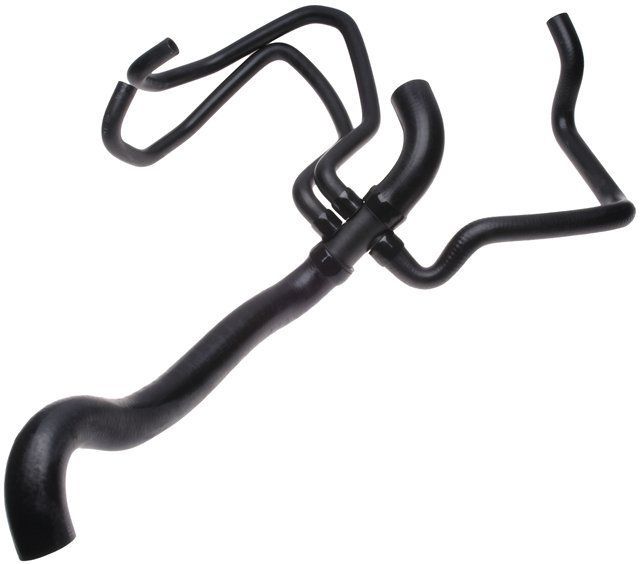
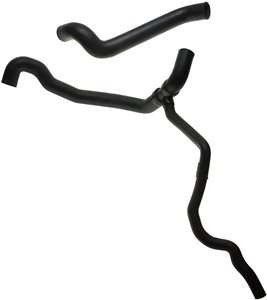
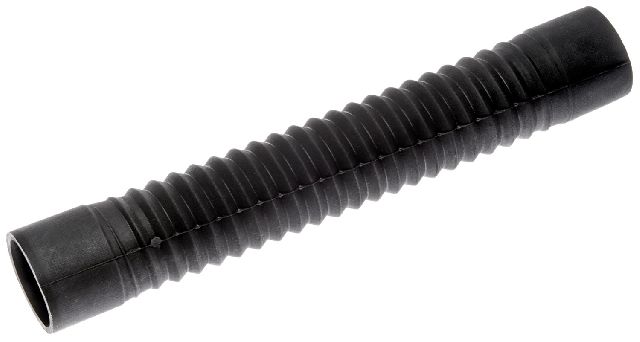
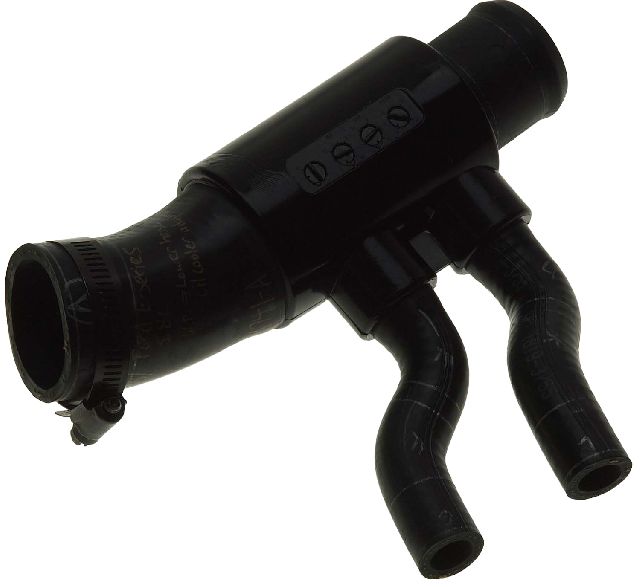
For the 1994-2003 E-150, you'll find a simple upper hose and a much more complex lower hose assembly, sometimes called an "octopus" hose because of its multiple connections. This lower assembly is significantly more expensive than a standard hose.
OEM vs. Aftermarket Quality
Original Ford (Motorcraft) hoses are designed for a perfect fit and are made from high-quality EPDM rubber. However, they can be difficult to find for this age of vehicle. High-quality aftermarket brands are a reliable and widely available alternative. Brands like Gates, Continental, and Dayco are common choices. Forum discussions among Ford van and truck owners often favor Gates for its consistent fit and quality, which is crucial for the complex lower hose assembly. While Dayco is also a major brand, some users have reported fitment issues, so it's important to compare it to the original part before installation.
Aftermarket Brand Tiers
- Premium Aftermarket (Gates, Continental): These brands are well-regarded for their quality and fit, often mirroring OEM specifications. Gates is frequently recommended by mechanics and DIYers for Ford trucks and vans.
- Standard Aftermarket (Dayco): Dayco is a widely available and generally acceptable option. However, double-check the shape and bends against your old hose, as some users have experienced fitment problems.
| Part | Cost Range |
|---|---|
| New Aftermarket Radiator Hose | $24.64 - $179.67 |
| New OEM Radiator Hose | $50 - $250+ |
| Shop Labor | $200 - $450 |
Cost estimates are based on national averages and may vary by location and vehicle specifics. The high end of the price range reflects the complex lower hose assembly.
A Mechanic's Advice
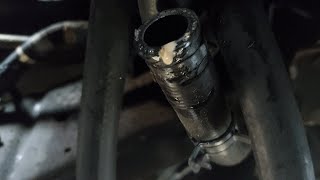
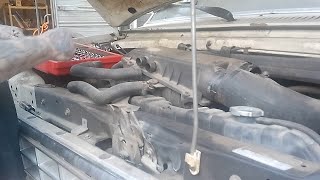
Replacing the lower radiator hose on an E-150 is a difficult job due to extremely tight access in the engine compartment. The connection at the engine block is particularly hard to reach. 🎬 Watch a mechanic tackle the difficult lower radiator hose replacement. If you're doing it yourself, be prepared for a challenge. 🎬 See this walkthrough for replacing both upper and lower hoses. Many owners replace the original spring-style clamps with worm-gear clamps during the job to make future service easier. While you're at it, it's wise to replace the thermostat and check the condition of the serpentine belt.
Frequently Asked Questions (FAQ)
Why is the lower radiator hose so much more expensive than the upper one?
The lower hose on many 1994-2003 E-150 models is a complex assembly, not a single hose. It includes multiple branches that connect to the oil cooler and the coolant reservoir, making it a larger, more complicated, and more expensive part to manufacture.
Can I just replace the one hose that's leaking?
You can, but it's not recommended. Radiator hoses are made of the same material and exposed to the same conditions. If one has failed due to age, the others are likely near the end of their life too. It's best practice to replace the upper and lower hoses at the same time to prevent another failure soon after.
How often should radiator hoses be replaced?
There is no universal schedule, but hoses should be inspected at every oil change. As a general rule, consider replacing them every 5 to 7 years or around 100,000 miles as preventative maintenance, especially if you see any signs of wear.
Is replacing the radiator hoses on an E-150 a good DIY job?
For an experienced DIY mechanic, yes. However, it is considered a difficult job. Access to the clamps, especially on the lower hose at the engine block, is very tight inside the van's engine bay or "doghouse." If you are not comfortable working in tight spaces or dealing with stubborn hose connections, it may be best to leave this job to a professional.
Helpful Videos
Technical Specifications
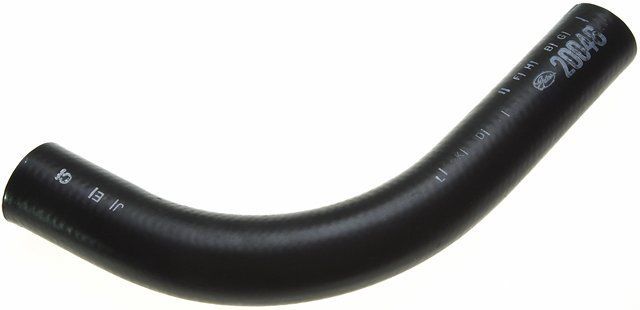
The lower hose is a multi-port assembly with connections for the radiator, engine block, oil cooler, and coolant reservoir. The upper hose is a simpler, single molded hose. Aftermarket examples include Gates 22315 (Upper) and other complex lower assemblies.
We Have This Part in Stock

The information in this article is provided for general reference and educational purposes only. Vehicle specifications, procedures, and part compatibility can vary by production date, trim level, and region. Always consult your vehicle's factory service manual and verify part numbers before purchasing or performing repairs. Safety-critical components such as airbags, seat belts, and braking systems should be installed by a qualified professional.
- Ford E-150 Econoline: