

Your Guide to the 1994-2003 Mazda B3000 Mass Air Flow Sensor
Everything you need to know about diagnosing and replacing the MAF sensor on your Mazda B3000 pickup.
- Symptoms of a bad MAF sensor often overlap with vacuum leaks; always check hoses first.
- Try cleaning the sensor with dedicated MAF cleaner before buying a new one.
- The MAF sensor is identical to the one used in the Ford Ranger 3.0L, making parts widely available.
- Avoid the cheapest aftermarket options, as forum users report high failure rates; stick with reputable brands like Hitachi or Delphi.
Is Your Mazda B3000 MAF Sensor Failing?
A dirty or failing Mass Air Flow (MAF) sensor can cause a surprising number of engine problems. Because the sensor provides vital information for the air-fuel mixture, a bad reading can make your truck run too rich (too much fuel) or too lean (not enough fuel). Before you assume the sensor is bad, it's a good idea to try cleaning it with a dedicated MAF sensor cleaner. Sometimes, dirt and oil on the sensor wire are the only problem. Also, check for vacuum leaks from cracked hoses, as they can mimic the symptoms of a bad MAF sensor.
Check Engine Light Codes
A failing MAF sensor will almost always trigger the Check Engine Light. Common trouble codes include P0101 (Circuit Range/Performance), P0102 (Circuit Low Input), and P0103 (Circuit High Input). You may also see codes for lean (P0171, P0174) or rich running conditions.
Choosing the Right Aftermarket MAF Sensor
Since the Mazda B3000 is a rebadged Ford Ranger, the MAF sensors are identical. This gives you many aftermarket options. Quality can vary, so it's important to choose wisely. Cheaper, no-name sensors are known to fail quickly or be dead on arrival. Spending a little more on a quality part can save you headaches.
Brand Quality Tiers
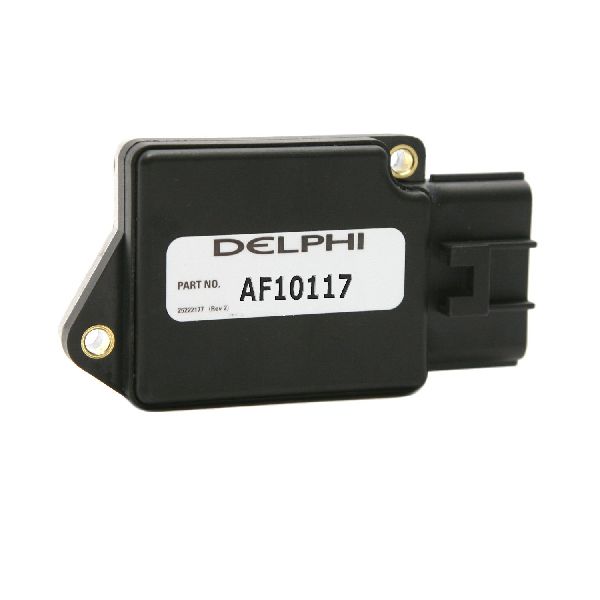
- Premium Aftermarket (OEM-Equivalent): Brands like Hitachi and Delphi are often original equipment manufacturers or have a strong reputation for quality that meets or exceeds OEM standards. These are your most reliable choices for long-term performance.
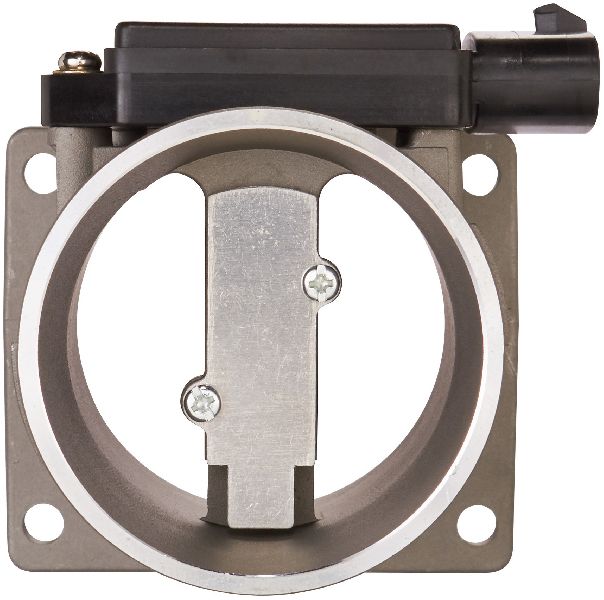
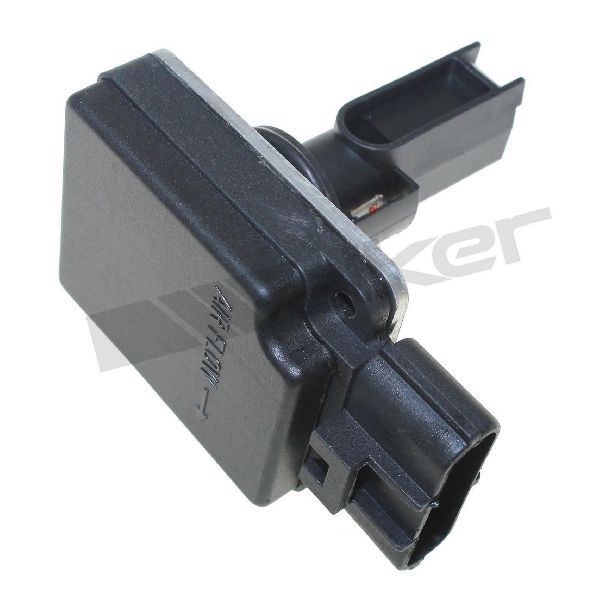
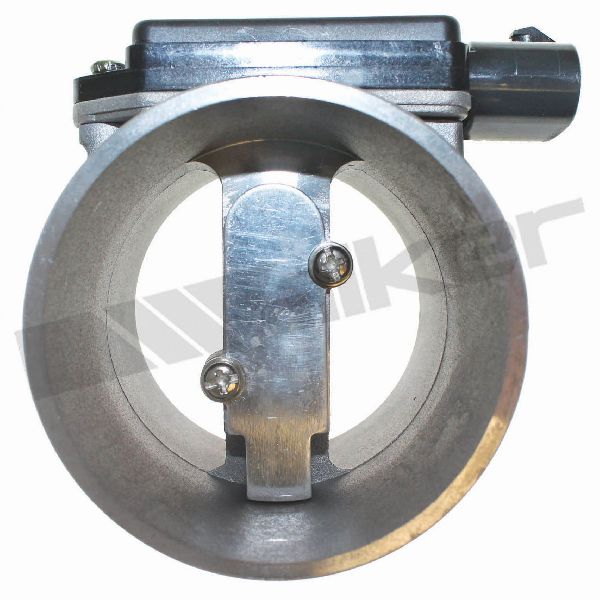
- Standard Aftermarket: Brands such as Spectra, Walker Products, and Standard Ignition (SMP) offer a good balance of quality and value. They are generally reliable and a solid choice for most owners.
- Economy Brands: Brands like Cardone (often remanufactured), DriveWire, and other lower-priced options can be a gamble. While they might work, some owners report issues, making them a less dependable option.
Pro Tip: Sensor Only vs. Full Housing
For the 1994-2003 B3000, you can often buy just the sensor element, which is installed into your existing plastic MAF housing with two screws. This is usually cheaper than buying the complete housing assembly. Make sure you have the required T-20 security Torx bit for the job.
Installation Overview
Replacing the MAF sensor is one of the easiest jobs you can do on your B3000. It's located right after the air filter box. The process involves disconnecting the battery, unplugging the electrical connector, removing two screws or clamps, and swapping the sensor. The entire job usually takes less than 30 minutes.
| Item | Estimated Cost |
|---|---|
| New Aftermarket Part | $57 - $173 |
| New OEM Part (Motorcraft/Mazda) | $223 - $465 |
| Shop Labor | $85 - $125 |
| Total Professional Replacement | $308 - $590 |
Frequently Asked Questions
Can I just clean my MAF sensor instead of replacing it?
Yes, and you should always try cleaning it first. Use a cleaner made specifically for MAF sensors. Do not use brake or carb cleaner, and never touch the delicate sensor wires. If cleaning doesn't solve the problem, you'll need a replacement.
Is the Mazda B3000 MAF sensor the same as a Ford Ranger's?
Yes. The 1994-2003 Mazda B3000 with the 3.0L V6 engine uses the exact same Mass Air Flow sensor as the equivalent Ford Ranger. This makes finding parts easy.
Do I need to disconnect the battery to change the MAF sensor?
It is highly recommended. Disconnecting the battery for about 20-30 minutes not only prevents electrical issues but also helps reset the engine computer's fuel trim memory, allowing it to learn the new sensor's readings from a clean slate.
How do I know it's the MAF sensor and not something else?
A common diagnostic trick is to unplug the MAF sensor while the engine is off, then start the truck. If the engine runs better with the sensor unplugged, it's a strong sign the sensor is faulty. The computer will use default values, which are often better than the bad data from a failing sensor. However, this is not a foolproof test, and you should always check for diagnostic trouble codes.
Are there any recalls for the MAF sensor on this truck?
No, there are no specific recalls for the Mass Air Flow sensor on the 1994-2003 Mazda B3000. Searches of the NHTSA database show recalls for this vehicle range, but they are related to issues like Takata airbags, not the engine management sensors.
Technical Specifications
OEM Part Numbers: F37F12B579FA F37Z12B579A ZZM313210 1L5F12B579AB
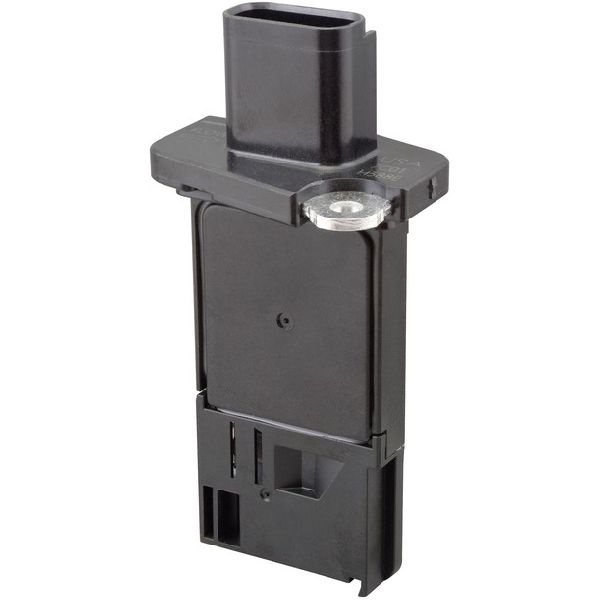
The MAF sensor for the 1994-2003 Mazda B3000 is typically a 'sensor-only' insert that mounts into the air cleaner housing lid. It is secured by two T-20 security Torx screws and uses a multi-pin electrical connector.
We Have This Part in Stock


The information in this article is provided for general reference and educational purposes only. Vehicle specifications, procedures, and part compatibility can vary by production date, trim level, and region. Always consult your vehicle's factory service manual and verify part numbers before purchasing or performing repairs. Safety-critical components such as airbags, seat belts, and braking systems should be installed by a qualified professional.
- Mazda B3000: