

Your 1994-2003 Mazda B4000 Mass Air Flow Sensor: A Complete Guide
Is your truck running rough, stalling, or getting bad gas mileage? Your Mass Air Flow sensor could be the problem.
- Always try cleaning the MAF sensor with dedicated cleaner before replacing it; this often fixes the issue.
- For lean codes P0171/P0174, thoroughly check for vacuum leaks before blaming the MAF sensor.
- Invest in a quality aftermarket brand like Hitachi, Delphi, or NGK; cheap sensors are known to cause problems.
- Replacement is a very easy DIY job that takes less than 30 minutes with a T-20 Torx driver.
Understanding the MAF Sensor on Your Mazda B4000
Your Mazda B4000 is a tough truck, but like any vehicle, its electronic sensors can wear out. The Mass Air Flow (MAF) sensor is one of the most important. Because your B4000 is a rebadged Ford Ranger, it uses the same Ford 4.0L engine and Motorcraft electronics. This is good news, as parts are widely available. When the MAF sensor gets dirty with oil or dust, or simply fails, it sends bad information to the engine's computer. This can make your truck run too "lean" (not enough fuel) or too "rich" (too much fuel), causing a variety of problems.
Try This First: Clean Your MAF Sensor
Before you buy a new part, try cleaning the old one. Often, a dirty sensor is the real problem, not a failed one. Purchase a can of dedicated MAF sensor cleaner—never use brake or carb cleaner, as it will destroy the sensor. Unplug the sensor, remove the two T-20 Torx screws holding it in, and carefully lift it out. Generously spray the cleaner on the delicate hot wires inside without touching them. Let it air dry completely for at least 15 minutes before reinstalling. This simple step solves the problem for many owners.
Common Symptoms of a Failing MAF Sensor
A bad MAF sensor will usually make itself known through poor engine performance. Here’s what to look out for:
- Check Engine Light: This is the most common sign. You'll likely see codes like P0101, P0102, or P0103.
- Rough Idle and Stalling: Your truck might shake at a stop, idle erratically, or even stall completely.
- Hesitation and Power Loss: It may feel sluggish, or jerk and hesitate when you press the gas pedal.
- Poor Fuel Economy: If you're filling up your tank more often, a bad MAF sensor could be wasting fuel.
- Black Exhaust Smoke: This indicates the engine is running too rich, a classic sign of a MAF issue.
A Note on Lean Codes: P0171 and P0174
These two codes are extremely common on the 4.0L engine in the B4000 and Ranger. They mean the engine is running too lean. While a faulty MAF sensor can cause this, the most frequent culprit is a vacuum leak. Before replacing your MAF for these codes, carefully inspect all vacuum hoses, especially the PCV valve elbow and intake gaskets, for cracks or leaks. Fixing a vacuum leak is often the real solution.
Choosing the Right Aftermarket MAF Sensor
While the original Motorcraft sensor is a quality part, new aftermarket options offer good performance for less money. However, quality varies greatly. Avoid the cheapest, no-name sensors, as they are known to fail quickly or be defective right out of the box. Sticking with a reputable brand is a smart investment for this critical part.
Brand Quality Tiers
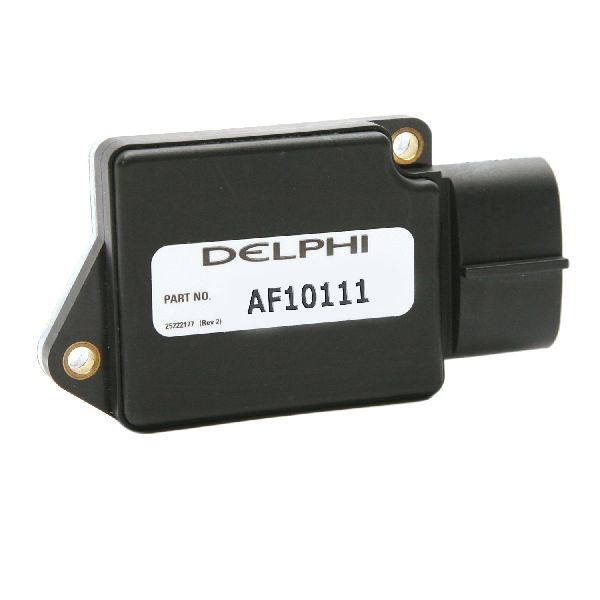
- Premium Aftermarket (Recommended): Brands like Hitachi, Delphi, and NGK (also sold as WVE) have a strong reputation for quality and reliability, often matching OEM performance. Hitachi was an original equipment supplier for many Ford vehicles.
- Standard Aftermarket: Brands like Walker Products, Standard Ignition (SMP), and Spectra offer a good balance of price and quality and are generally considered reliable choices.
- Budget & Remanufactured: Options from Cardone (often remanufactured), DriveWire, or other budget-focused brands can save money, but may have a higher risk of issues. They can be a viable option if you're on a tight budget, but a premium brand is recommended for long-term peace of mind.
Estimated Replacement Costs
Replacing the MAF sensor is a straightforward job. The part itself is the main cost.
| Item | Estimated Cost |
|---|---|
| New Aftermarket Part | $79 - $160 |
| New OEM Part (Motorcraft) | $140 - $230+ |
| Shop Labor | $50 - $120 |
| Total Professional Replacement | $130 - $280 |
Frequently Asked Questions
Is it hard to replace the MAF sensor myself?
No, this is a great beginner-level DIY job. The sensor is located on the main air intake tube and is held in by just two T-20 Torx screws and a single electrical plug. The entire job can be done in less than 30 minutes with basic tools.
Should I buy the sensor alone or the whole housing?
You almost always only need the sensor itself. The plastic housing it screws into does not wear out unless it is physically cracked or broken. Buying just the sensor element is the most cost-effective repair.
My truck runs better with the MAF sensor unplugged. What does that mean?
If you unplug the MAF, the engine's computer goes into a "limp mode" and guesses the air-fuel mixture based on other sensors. If it runs better this way, it's a very strong sign that your MAF sensor is faulty and sending wildly incorrect data.
Are there any recalls for the MAF sensor on the B4000?
No. There have been no recalls issued by the NHTSA for the Mass Air Flow sensor on the 1994-2003 Mazda B4000 or its Ford Ranger equivalent. There are, however, several important recalls for Takata airbags on these trucks that should be addressed.
Technical Specifications
OEM Part Numbers: F57F12B579BA F57F12B579CA F57F12B579DA F57Z-12B579-DA
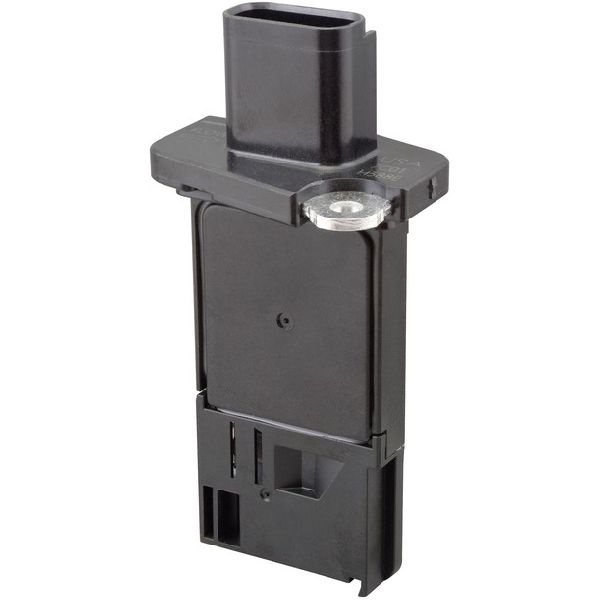
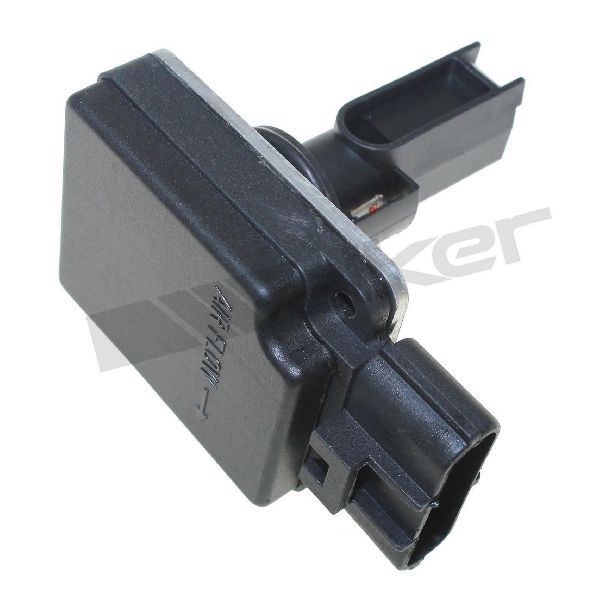
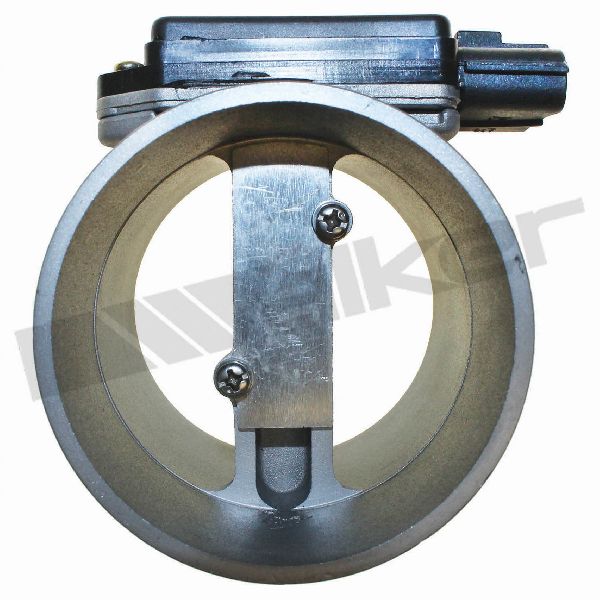
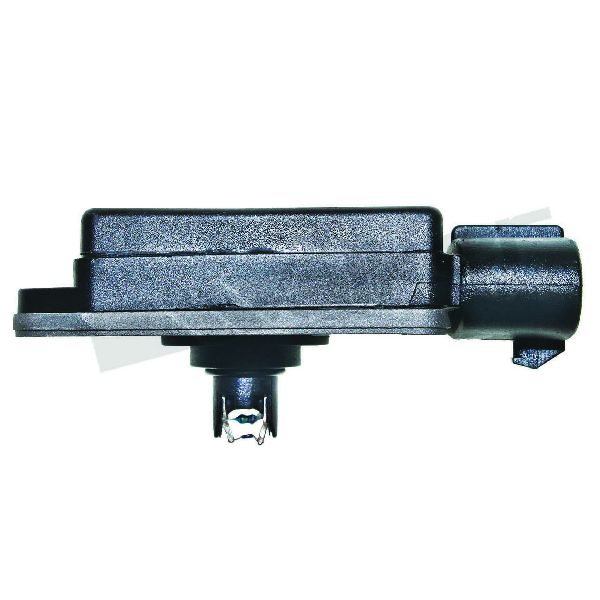
The MAF sensor for the 1994-2003 Mazda B4000 is a hot-wire type sensor element that mounts into the air intake duct. It is typically secured with two T-20 Torx screws and uses a multi-pin electrical connector. Part numbers and connector pin counts (4-pin vs 6-pin) can vary by year, so always verify fitment for your specific truck.
We Have This Part in Stock


The information in this article is provided for general reference and educational purposes only. Vehicle specifications, procedures, and part compatibility can vary by production date, trim level, and region. Always consult your vehicle's factory service manual and verify part numbers before purchasing or performing repairs. Safety-critical components such as airbags, seat belts, and braking systems should be installed by a qualified professional.
- Mazda B4000:
- 🛍️ Shop This Part
- Understanding the MAF Sensor on Your Mazda B4000
- Try This First: Clean Your MAF Sensor
- Common Symptoms of a Failing MAF Sensor
- A Note on Lean Codes: P0171 and P0174
- Choosing the Right Aftermarket MAF Sensor
- Brand Quality Tiers
- Estimated Replacement Costs
- Frequently Asked Questions
- 🎟️ Get 5% Off