

Radiator Coolant Hose Guide for 1994-2003 Mazda B4000
Learn how to spot a failing radiator hose on your B4000 and choose the best aftermarket replacement to prevent engine overheating.
- Radiator hoses are a common failure point; inspect them at every oil change for cracks, swelling, or softness.
- For the B4000, aftermarket hoses from Gates, Dayco, and Continental offer good quality, with Gates often being preferred for best fitment.
- Always replace hoses in pairs (upper and lower) and install new hose clamps at the same time.
- To prevent breakdowns, proactively replace radiator hoses every 4-5 years, along with the thermostat and radiator cap.
Signs of a Failing Radiator Hose
Radiator hoses are wear-and-tear items that are constantly exposed to high temperatures, pressure, and engine vibration. Over time, they will degrade and fail. It's critical to inspect them regularly and replace them at the first sign of trouble. Ignoring a bad hose can lead to a sudden breakdown and expensive engine repairs.
- Coolant Leaks: This is the most obvious sign. You may see puddles of green or yellow, sweet-smelling fluid under the front of your truck. Leaks often start as small drips from the hose connections or from small cracks in the hose itself.
- Visible Damage: Look at the hoses. If you see cracks, splits, or fraying, the hose needs to be replaced immediately. Also check for bulging or swelling, which indicates the internal structure of the hose is failing.
- Spongy or Hard Hoses: When the engine is cool, squeeze the hoses. A good hose should be firm but pliable. If a hose feels soft, mushy, or spongy, it's deteriorating from the inside. If it feels rock-hard or makes a crunching sound, it's brittle and can crack at any moment.
- Engine Overheating: If your B4000's temperature gauge starts climbing into the red, a failing radiator hose could be the cause. A leak can cause a loss of coolant, or a collapsed hose can block the flow of coolant, leading to overheating.
- Low Coolant Light: A frequent need to top off your coolant reservoir is a strong indicator of a leak somewhere in the system, and the radiator hoses are a common culprit.
Check Your Hose Clamps
Sometimes a leak isn't from the hose itself, but from a loose or failed hose clamp. Always inspect the clamps when you check your hoses. It is highly recommended to replace the hose clamps every time you install a new coolant hose.
Choosing the Right Aftermarket Radiator Hose
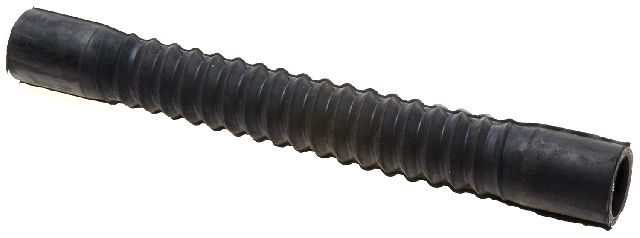
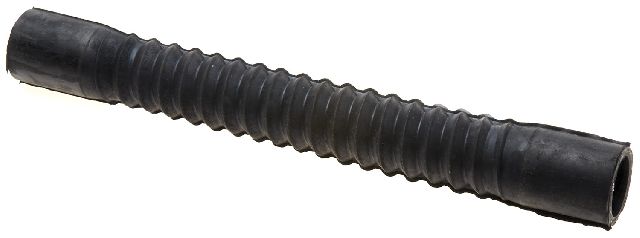
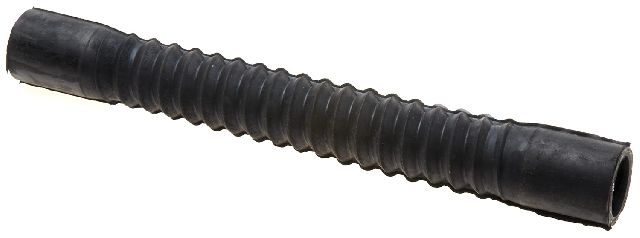
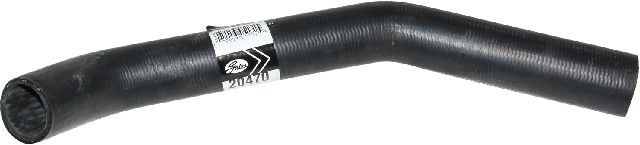
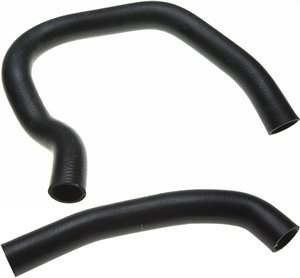
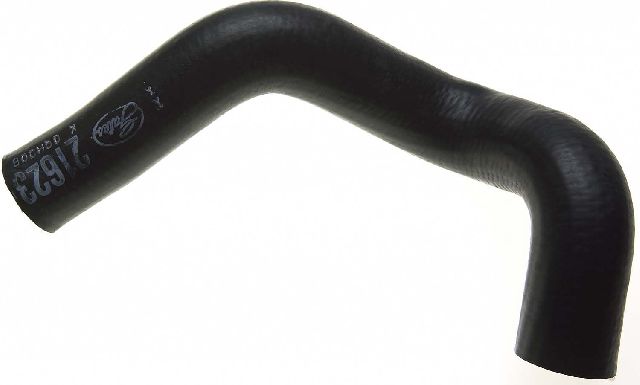
For the 1994-2003 Mazda B4000, which shares its platform with the Ford Ranger, the quality of aftermarket radiator hoses from reputable brands is generally considered to be very good. The most critical factor when choosing an aftermarket hose is ensuring it has the correct shape and bends (a "molded" hose) for a perfect fit. Poor fitment is a common issue with lower-quality brands.
Brand Quality Tiers
All three available brands—Gates, Dayco, and Continental—are established manufacturers that produce OEM-quality parts. There isn't a significant difference in material quality for this application, but owner experiences point to some nuances.
- Tier 1: Gates
Gates is often preferred by mechanics and experienced owners for its consistent fitment and accurate parts cataloging. They are known for engineering hoses that resist electrochemical degradation, a leading cause of hose failure. Many NAPA-branded hoses are also manufactured by Gates. - Tier 2: Dayco & Continental
Dayco and Continental (sometimes branded as ContiTech) are also solid choices that meet or exceed OEM specifications. They are made from durable EPDM rubber to resist heat and chemicals. While material quality is good, some users have occasionally reported minor fitment issues compared to Gates or OEM hoses, sometimes requiring worm-gear clamps instead of the original spring clamps.
Pro Tip: Proactive Replacement
Don't wait for a hose to fail. Most mechanics recommend replacing radiator hoses proactively every 4 to 5 years, regardless of their appearance. This is cheap insurance against a catastrophic failure on the road.
Estimated Costs for Radiator Hose Replacement
| Part Type | Estimated Cost |
|---|---|
| New Aftermarket Hoses (Per Hose) | $22.80 - $42.26 |
| New OEM Hoses (Per Hose) | $45 - $70 |
| Shop Labor | $100 - $200 |
Frequently Asked Questions
Should I replace both the upper and lower hoses at the same time?
Yes. Both hoses have been exposed to the same age, heat, and mileage. If one is failing, the other is likely not far behind. Replacing them together saves you time and labor costs in the long run and ensures the entire system is reliable.
What other parts should I consider replacing with the radiator hoses?
Since you'll be draining the cooling system, it's the perfect time to replace the thermostat and radiator cap. If your truck has high mileage, consider replacing the water pump as well, as it's a common maintenance item.
Is this a difficult DIY job for a 1994-2003 B4000?
No, for most people with basic tools, this is a straightforward job. The main steps involve draining the coolant, using pliers to remove the old clamps and hoses, and installing the new ones. The most important part is ensuring you properly refill and bleed the air out of the cooling system afterward.
Are there any recalls for my B4000's radiator hoses?
No, a search of the National Highway Traffic Safety Administration (NHTSA) database shows no specific recalls for radiator coolant hoses on the 1994-2003 Mazda B4000. The primary recalls for this vehicle concern Takata airbags.
Technical Specifications
OEM Part Numbers: ZZM215186 (Upper Hose) ZZM215185 (Lower Hose, Auto Trans) ZZL115185 (Lower Hose, Manual Trans)
Hoses are made of EPDM rubber with synthetic fiber reinforcement to meet or exceed SAE 20R4, Class D2 specifications. They are pre-molded to fit the specific layout of the 4.0L V6 engine in the Mazda B4000.
We Have This Part in Stock

The information in this article is provided for general reference and educational purposes only. Vehicle specifications, procedures, and part compatibility can vary by production date, trim level, and region. Always consult your vehicle's factory service manual and verify part numbers before purchasing or performing repairs. Safety-critical components such as airbags, seat belts, and braking systems should be installed by a qualified professional.
- Mazda B4000: