

BMW 540i (1994-2004) Engine Coolant Temperature Sensor Guide
Understanding the key sensor that impacts your V8 engine's performance and fuel economy.
- The 1994-2004 BMW 540i has two coolant temp sensors; the primary one that causes running issues is at the rear of the engine and is very difficult to replace.
- Symptoms of failure include a check engine light, poor fuel economy, black smoke, and an inaccurate temperature gauge.
- Due to the high-labor cost of replacement, using a high-quality OEM or premium aftermarket brand like Bosch, Vemo, or Hella is strongly recommended over budget options.
- After replacement, the cooling system must be properly bled to remove all air to prevent overheating.
Two Sensors, One Confusing Job
Before buying a part, it's important to know that the V8 engine in the 1994-2004 BMW 540i uses two different coolant temperature sensors. Ordering the wrong one is a common mistake.
- Primary ECT Sensor (for the DME): This is the main sensor that provides temperature data to the engine computer (DME). It controls fuel, timing, and the gauge on your dash. It is located in a difficult-to-reach spot at the rear of the engine, underneath the intake manifold. This is usually the sensor that fails and causes running issues.
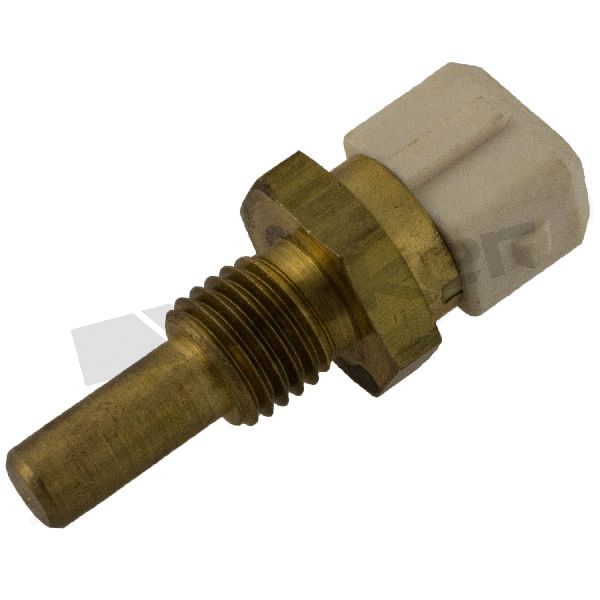
- Secondary Temperature Sensor (for Radiator Outlet): This sensor is located in the lower radiator hose. Its job is to monitor the radiator's performance and provide data for controlling the auxiliary electric fan. A failure here usually sets a specific code related to thermostat or cooling system performance but is less likely to cause the common symptoms of a bad ECT sensor.
This guide focuses on the primary ECT sensor, as it is the one most often replaced to solve engine problems.
Signs of a Failing ECT Sensor
When the primary ECT sensor fails, it sends incorrect information to the engine computer. The computer might think the engine is cold when it's hot, or vice-versa. This can cause a range of problems:
- Check Engine Light: This is the most common sign. The DME will log fault codes like P0116, P0117, or P0118.
- Poor Fuel Economy: If the sensor always reads "cold," the computer will inject too much fuel, hurting your gas mileage.
- Black Smoke from Exhaust: A rich fuel mixture that doesn't burn completely can exit the tailpipe as black smoke.
- Rough Idle: The wrong fuel and timing adjustments can cause the engine to idle poorly or shake.
- Hard Starting: The engine needs an accurate temperature reading to start correctly, especially when cold.
- Inaccurate Temp Gauge: The gauge on your dashboard might read too low, too high, or swing back and forth wildly. 🎬 See how a faulty sensor causes erratic dashboard gauge readings.
A Note on Installation Difficulty
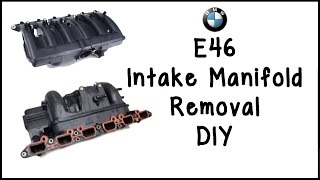
Replacing the primary ECT sensor on the M62 V8 engine is a difficult job. It is located at the back of the engine under the intake manifold, requiring significant disassembly to access. 🎬 Watch this DIY guide on removing the intake manifold for access. This is not a simple task for a beginner. The secondary sensor in the radiator hose, however, is very easy to replace.
Choosing the Right Aftermarket Sensor
For critical sensors on a BMW, quality matters. A cheap, poorly made sensor can fail quickly or provide inaccurate readings right out of the box, leading to the same problems you were trying to fix. Based on owner experiences and brand reputation, here is a breakdown of available aftermarket brands.
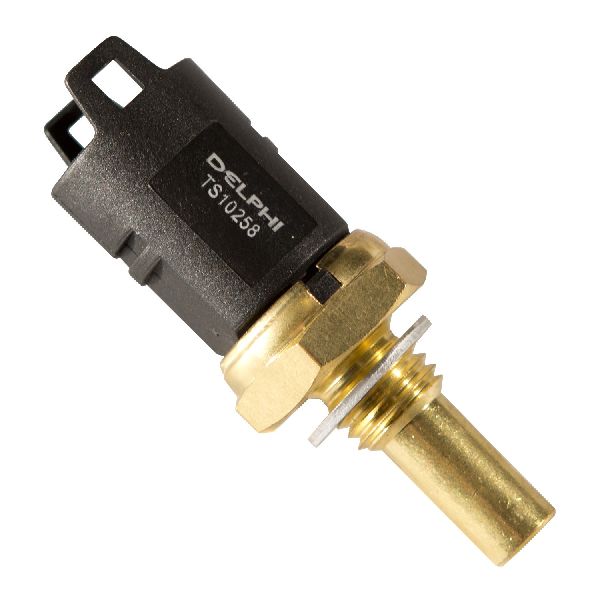
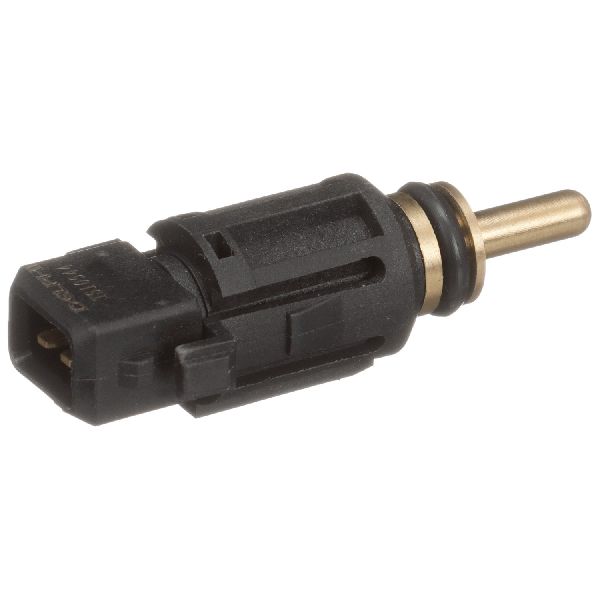
- Tier 1 - OEM & Premium Brands (Recommended): These brands are either original equipment manufacturers for BMW or have a strong reputation for quality. Choose these for peace of mind. Brands include Bosch, Vemo, Hella, and NGK/NTK. Delphi is also a reputable choice with strong manufacturing standards.
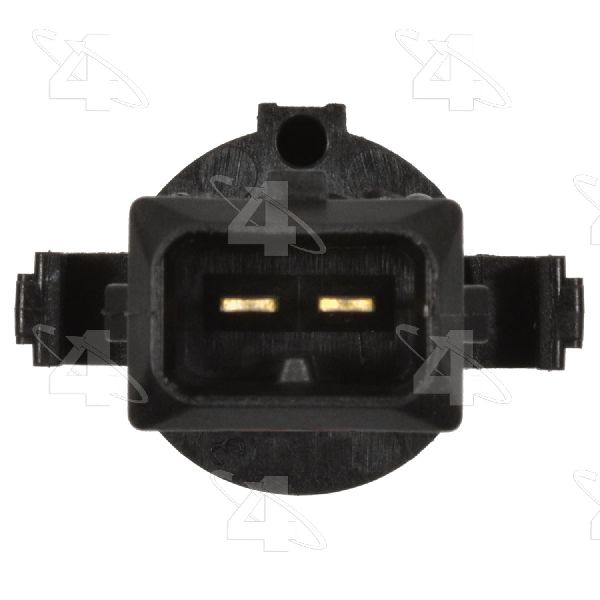
- Tier 2 - Reputable Aftermarket: Brands like Standard Ignition (SMP), Walker Products, and Four Seasons offer a good balance of price and quality. They are generally reliable for daily drivers.
- Tier 3 - Budget Brands: Brands like URO Parts are available at a lower price point. However, forum discussions show mixed reviews, with some owners reporting fitment issues and premature failures with URO sensors and other parts. While they can save you money initially, they may carry a higher risk of future problems.
Pro Tip: Bleed the System
Any time the cooling system is opened, air gets in. BMW cooling systems are notoriously difficult to bleed properly. Trapped air can cause overheating and other issues. After replacing the sensor, you must follow the correct procedure to bleed all air from the system. 🎬 Follow this walkthrough to properly bleed and fill your cooling system. It's also a good idea to replace the sensor's small sealing O-ring to prevent leaks.
Cost of Replacing a BMW 540i ECT Sensor
| Part/Service | Estimated Cost |
|---|---|
| New Aftermarket ECT Sensor | $20 - $55 |
| New OEM (Genuine BMW) ECT Sensor | $60 - $90 |
| Shop Labor (Primary Sensor) | $300 - $500+ |
Note: Labor costs are for the difficult-to-access primary sensor and can vary significantly based on shop rates. The secondary sensor in the radiator hose would have a much lower labor cost.
Frequently Asked Questions
Where is the engine coolant temperature sensor located on my 540i?
The primary sensor is at the rear of the engine, under the intake manifold. A secondary sensor is in the lower radiator hose.
Can I replace the ECT sensor myself?
Replacing the secondary sensor in the radiator hose is a simple DIY task. However, replacing the primary sensor at the rear of the engine is a difficult job recommended for experienced mechanics, as it requires removing the intake manifold.
How many coolant temperature sensors does the BMW 540i have?
The V8-powered 540i has two main coolant temperature sensors: a primary one for the engine computer (DME) and a secondary one at the radiator outlet.
What happens if I don't replace a bad ECT sensor?
You will continue to experience poor engine performance, bad fuel economy, and a constant Check Engine Light. In some cases, a faulty sensor can prevent the cooling fan from turning on, which could lead to engine overheating.
Helpful Videos

Technical Specifications
OEM Part Numbers: 13621703993 13621433077 12621288158
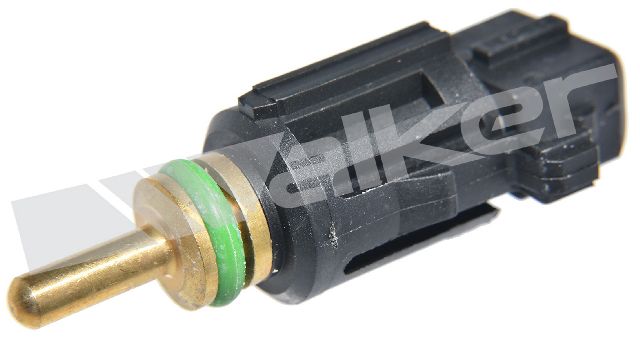
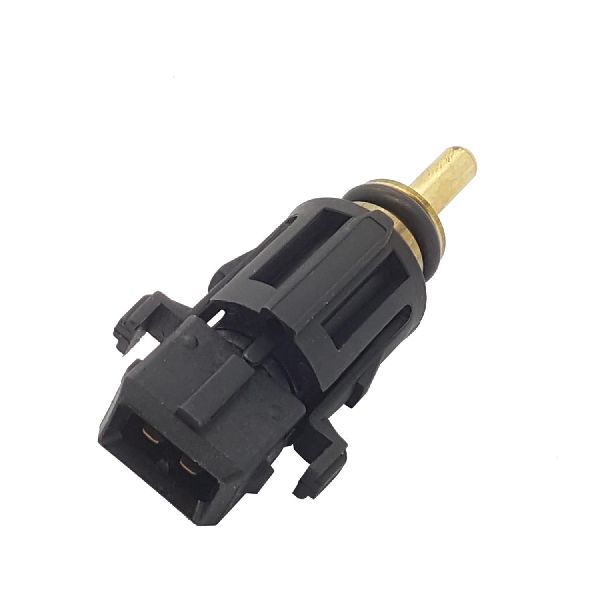
The primary sensor is a two-pin thermistor that changes resistance based on coolant temperature. It is installed at the rear of the engine block/head assembly on the M62 V8 engine.
We Have This Part in Stock

The information in this article is provided for general reference and educational purposes only. Vehicle specifications, procedures, and part compatibility can vary by production date, trim level, and region. Always consult your vehicle's factory service manual and verify part numbers before purchasing or performing repairs. Safety-critical components such as airbags, seat belts, and braking systems should be installed by a qualified professional.
- BMW 540i: