

Guide to the Automatic Transmission Mount for 1994-2004 Chrysler Voyager
Eliminate clunking noises and excessive vibration by understanding and choosing the right transmission mount for your Voyager.
- The most common signs of a bad transmission mount are clunking noises when shifting and excessive vibration at idle.
- It is safe to drive for a short time, but a failed mount can cause damage to other parts like axles and exhaust if not replaced promptly.
- Aftermarket brands like Anchor, DEA, and Westar are affordable options, while Crown may offer slightly better quality.
- Replacing the mount is a feasible DIY job that requires a floor jack to support the transmission and basic hand tools.
Symptoms of a Failing Transmission Mount
When the transmission mount in your Voyager wears out, the signs are usually easy to notice. The rubber inside the mount cracks, tears, or gets saturated with oil, losing its ability to absorb vibration and control movement. Here’s what to look and listen for:
- Clunking or Banging Noises: This is the most common symptom. You might hear a loud "clunk" or "bang" from the engine bay when you shift from Park to Reverse or Drive. The noise can also happen during hard acceleration or braking as the transmission shifts around.
- Excessive Vibration: A bad mount can no longer absorb drivetrain vibrations, so they travel through the vehicle's frame and into the cabin. You might feel this vibration in the steering wheel, on the floor, or through your seat, especially when the van is idling.
- Visible Engine Movement: If you have a helper, you can check for a bad mount visually. With the parking brake set firmly, have someone stand to the side of the vehicle (never in front) and watch the engine as you shift from Park to Drive. If the engine and transmission assembly lurches noticeably, a mount has likely failed. 🎬 Watch how to diagnose a bad motor or transmission mount.
Can I Drive with a Bad Transmission Mount?
You can, but it's not recommended for long. While the vehicle will still operate, ignoring a failed mount can lead to more expensive repairs. The excessive movement can damage other components like CV axles, exhaust pipes, radiator hoses, and the other engine mounts. It's best to get it replaced as soon as you notice a problem.
Choosing the Right Aftermarket Mount
For a 1994-2004 Chrysler Voyager, you don't need to buy an expensive OEM part from the dealer. Aftermarket mounts are affordable and get the job done. However, quality can vary between brands. Here’s a breakdown of the common choices:
Brand Tiers
- Value Tier (Good): Brands like Anchor, DEA, and Westar are widely available and very affordable. They are a popular choice for budget-conscious repairs. While they will function correctly, some owners report they can be made of harder rubber, which might transmit slightly more vibration into the cabin compared to the original part. Their lifespan might also be shorter than a premium or OEM part.
- Standard Tier (Better): Crown Automotive is often seen as a step up in quality, providing a good balance of price and performance. They aim to be direct OE-quality replacements and are a solid choice for a daily driver.
- Premium Tier (Best): For this specific part and vehicle age, most available brands fall into the value or standard categories. Brands like Pioneer are available but less commonly reviewed for mounts. Sticking with a well-known standard brand like Crown or an affordable value brand is a safe bet.
Pro Tip: Your Voyager has multiple mounts holding the engine and transmission in place. If one has failed due to age and mileage, the others are likely worn as well. It's often a good idea to inspect the other mounts and consider replacing them at the same time to restore a smooth ride and prevent future issues.
Cost to Replace a Transmission Mount
The cost can vary depending on whether you do the job yourself or take it to a shop. The part itself is inexpensive.
| Item | Estimated Cost |
|---|---|
| New Aftermarket Automatic Transmission Mount | $11 - $91 |
| Shop Labor | $100 - $250 |
| Total Estimated Cost (at a shop) | $111 - $341 |
Frequently Asked Questions (FAQ)
Is replacing a transmission mount a DIY job?
Yes, for someone with moderate mechanical skill. The process involves supporting the transmission from below with a floor jack and a block of wood, unbolting the old mount, and installing the new one. You will need a good socket set and wrenches. Always use jack stands for safety when working under your vehicle.
How many transmission mounts does my Voyager have?
Your van has a system of mounts. Typically, this includes one or two engine mounts and one or two transmission mounts that work together. The most commonly replaced transmission mount is the one on the driver's side, under the battery tray, or a lower mount near the center.
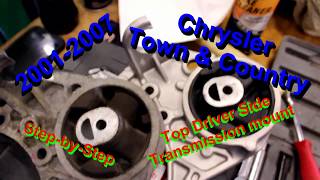
🎬 Learn how to install a driver side transmission mount.Are there any recalls for the transmission mount on my Voyager?
No, there are no specific recalls or common Technical Service Bulletins (TSBs) from Chrysler for automatic transmission mount failure on the 1994-2004 Voyager. Failure is typically due to the age and mileage of the vehicle.
Will a new aftermarket mount be noisy or vibrate?
Sometimes, but not always. Cheaper, value-tier mounts may use a harder rubber compound than the original part. This can cause a slight increase in vibration felt inside the van, especially at idle. Most owners find it acceptable given the cost savings, but if your priority is the smoothest ride possible, a standard-tier brand like Crown may be a better choice.
Helpful Videos



Technical Specifications
OEM Part Numbers: 4684709AB 4684708 4684132AC
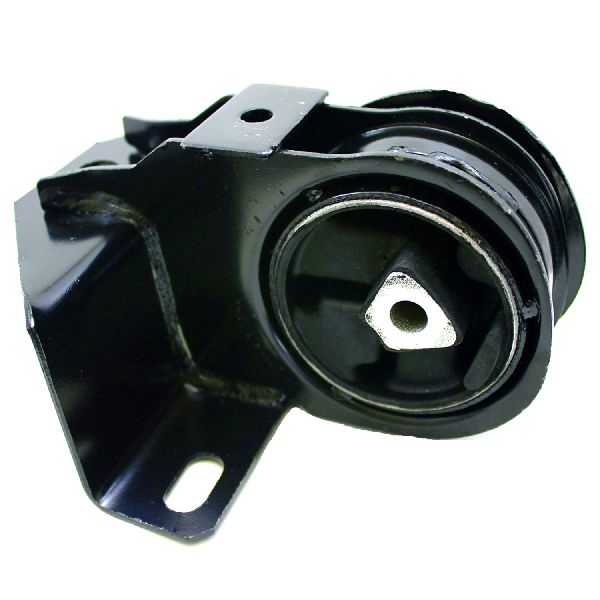
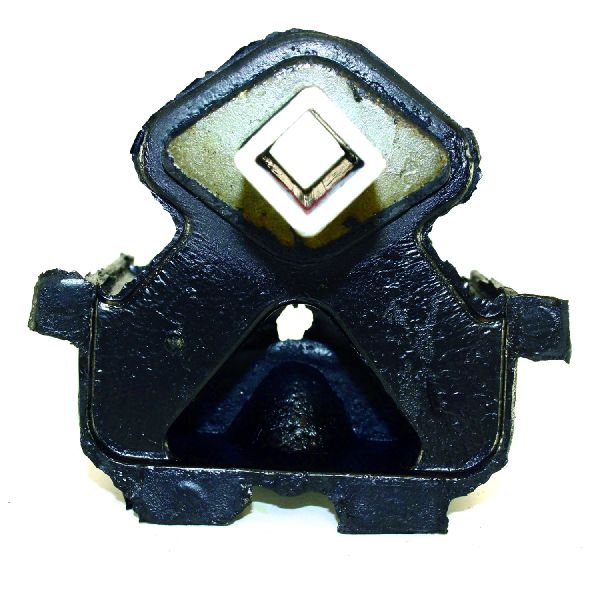
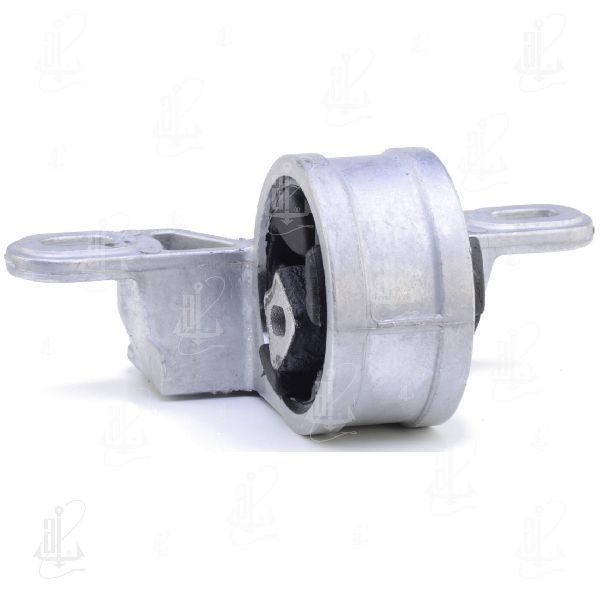
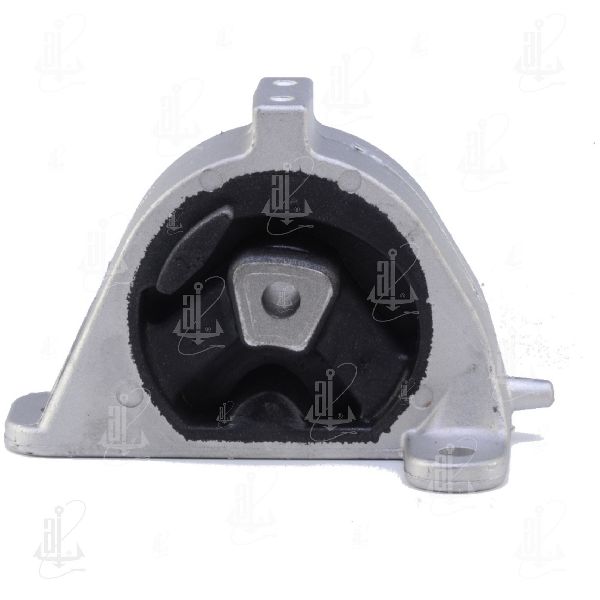
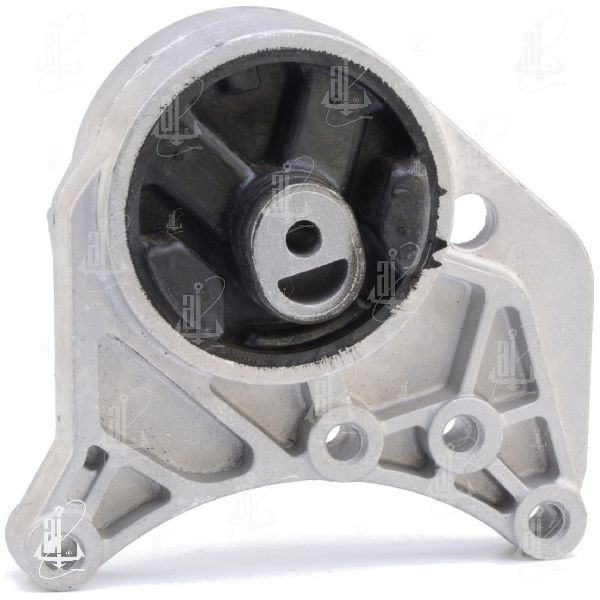
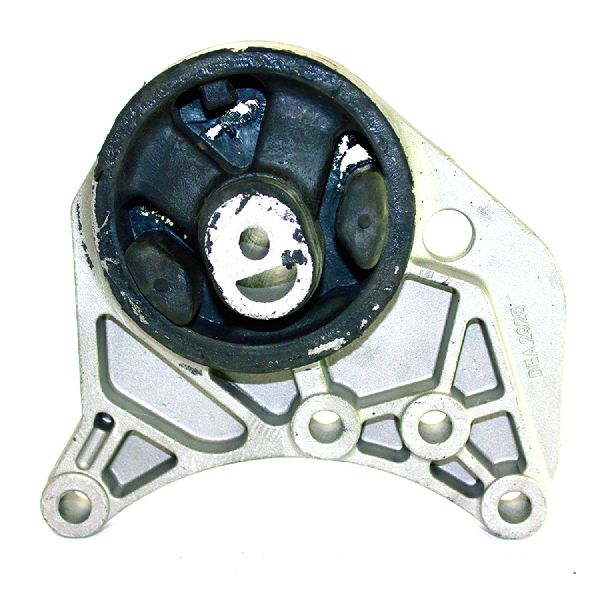
The automatic transmission mount for the 1994-2004 Chrysler Voyager is typically a metal bracket with a bonded rubber insulator. Some mounts may be hydraulic (fluid-filled) from the factory, but most aftermarket replacements use a solid rubber design. The system includes a left-side mount, often located under the battery tray, and a lower or rear mount.
We Have This Part in Stock

The information in this article is provided for general reference and educational purposes only. Vehicle specifications, procedures, and part compatibility can vary by production date, trim level, and region. Always consult your vehicle's factory service manual and verify part numbers before purchasing or performing repairs. Safety-critical components such as airbags, seat belts, and braking systems should be installed by a qualified professional.
- Chrysler Voyager: