

Chrysler Voyager Radiator: A Guide for 1994-2004 Models
Keep your Voyager's engine from overheating by understanding common radiator problems and how to choose the right replacement.
- The most common failure is the plastic side tanks cracking, causing coolant leaks.
- Engine overheating is a critical symptom; pull over immediately to prevent severe engine damage.
- When replacing the radiator, also replace the hoses, thermostat, and radiator cap for a complete and reliable repair.
- Using the correct type of coolant (HOAT) and flushing the system is crucial to prevent corrosion and clogs.
Symptoms of a Failing Radiator
When your 1994-2004 Chrysler Voyager's radiator starts to fail, it will give you several warning signs. Ignoring these can lead to serious and expensive engine damage. The most common issue on these vans is a leak, often caused by the plastic side tanks becoming brittle and cracking over time.
- Engine Overheating: This is the most serious symptom. If your temperature gauge climbs into the red, or you see steam from under the hood, your cooling system is not working. Continuing to drive can cause catastrophic engine failure.
- Visible Coolant Leaks: Finding bright green, pink, or yellow puddles under the front of your van is a clear sign of a leak. The radiator itself, or one of the hoses connected to it, is the likely source.
- Low Coolant Level: If you constantly need to add coolant to the overflow tank, you have a leak somewhere in the system. It might be a small leak that evaporates before it hits the ground.
- Sweet Smell: Leaking coolant can drip onto hot engine parts and burn off, creating a distinct sweet, syrupy smell.
- Discolored or Sludgy Coolant: Healthy coolant is brightly colored and clear. If the coolant in your reservoir looks rusty, brown, or thick like sludge, it indicates corrosion inside the cooling system, which can clog the radiator.
A Note on Plastic End Tanks
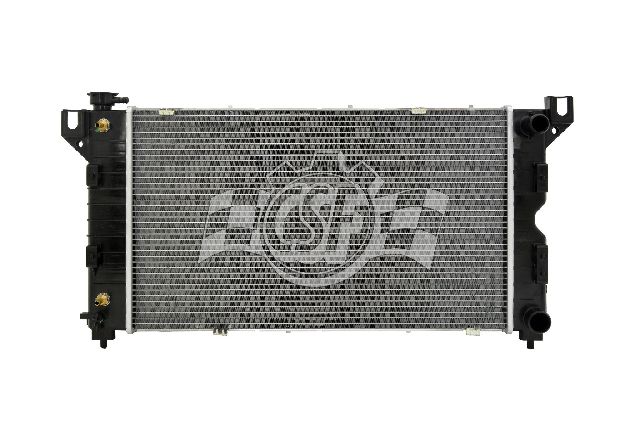
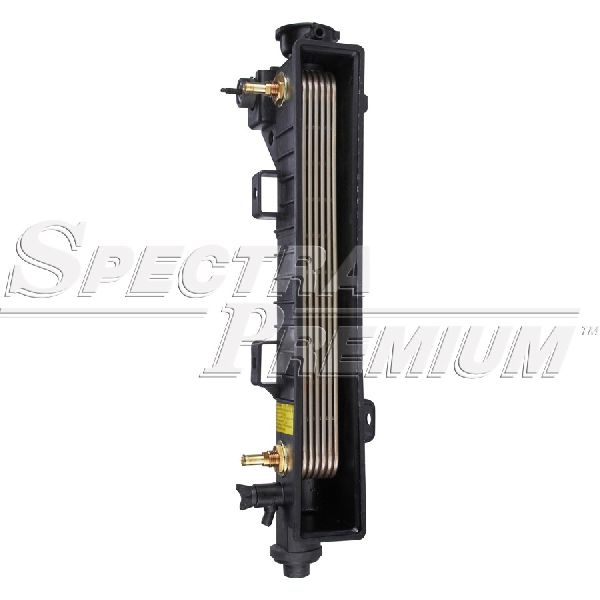
The original radiators on these Chrysler vans, like many from this era, use an aluminum core with plastic tanks crimped onto the sides. Over many years and heat cycles, this plastic can become brittle and develop hairline cracks, leading to leaks. This is the most frequent failure point.
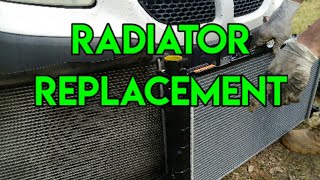
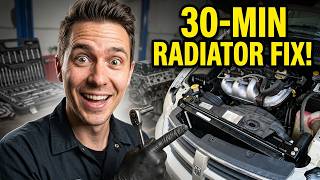
🎬 See this step-by-step radiator replacement for 1996-2000 models.Choosing the Right Aftermarket Radiator
You don't need to buy an expensive OEM part from a dealer. Aftermarket radiators offer good quality, often at a much lower price. Most are designed to be a direct, drop-in fit. The key is to choose a reputable brand. Based on owner feedback and mechanic consensus, brands can be grouped into general tiers.
Tier 1: Premium Brands (Often OEM Suppliers)
- Denso: A well-respected OEM supplier for many Japanese brands, their aftermarket parts are known for high quality and excellent fit.
- Koyorad: Another top-tier brand known for performance and quality, often considered an OEM equivalent.
- CSF: Known for making quality radiators with plastic tanks and aluminum cores that are considered reliable replacements.
- Nissens: A European brand with a strong reputation for quality cooling system components.
Tier 2: Reliable Aftermarket Brands
- Spectra: A very popular and widely available brand. Many owners and mechanics have had good experiences with Spectra radiators, finding them to be a good balance of price and quality.
- TYC: Generally considered a decent economy option for daily drivers.
Tier 3: Economy Brands
- This category includes various store brands and lesser-known online names (APDI, Global Parts, etc.). While they offer the lowest price, quality can be inconsistent. They may work fine, but there's a higher risk of receiving a damaged part or experiencing premature failure.
Pro Tip: When you replace your radiator, it is the perfect time to also replace the radiator hoses, thermostat, and radiator cap. These parts are inexpensive and wear out over time. Replacing them all at once ensures the entire system is reliable and saves you from having to do a similar job again in a few months.
Common Ordering Mistakes
For the 1994-2004 Chrysler Voyager, the main thing to verify is the engine size, as radiators can differ between the 4-cylinder and V6 models. Also, ensure the new radiator has the correct ports for the automatic transmission cooler lines. Most aftermarket radiators for automatic vehicles will include this integrated cooler.
Frequently Asked Questions (FAQ)
Do I need to replace my radiator cap?
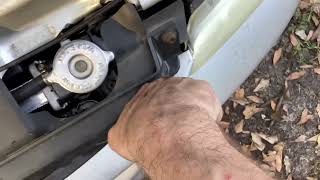
Yes, it is highly recommended. A radiator cap is a pressure valve that is critical for the cooling system to work correctly. A weak or failing cap can cause overheating or coolant loss even if the radiator is new.
What type of coolant should I use in my 1994-2004 Voyager?
These vehicles originally used a Hybrid Organic Acid Technology (HOAT) coolant. It's crucial to use the correct type and not mix different coolant technologies, as this can cause corrosion and sludge. Always flush the system completely when replacing the radiator and refill with a new, compatible coolant and distilled water mixture.
Is replacing the radiator a good DIY project?
For someone with moderate mechanical skill and basic tools, yes. The process involves draining the coolant, disconnecting hoses and transmission lines, unbolting the fan shroud and the radiator itself. Access is generally reasonable on these vans. However, if you are not comfortable, a professional mechanic can do the job in a few hours.
🎬 Watch: Easy DIY radiator replacement guide for 2001-2004 Voyagers.My van overheats but I don't see a leak. What could it be?
If you don't see a visible leak, the problem could be a stuck thermostat, a failing water pump, a bad radiator fan, or an internal clog in the radiator. A bad radiator cap can also cause overheating without an obvious puddle.
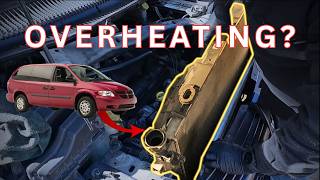
🎬 Watch: 5 common reasons these vans overheat and how to troubleshoot.Helpful Videos


Technical Specifications
OEM Part Numbers: 4682742 5010200AA 4886130AA 5191322AA
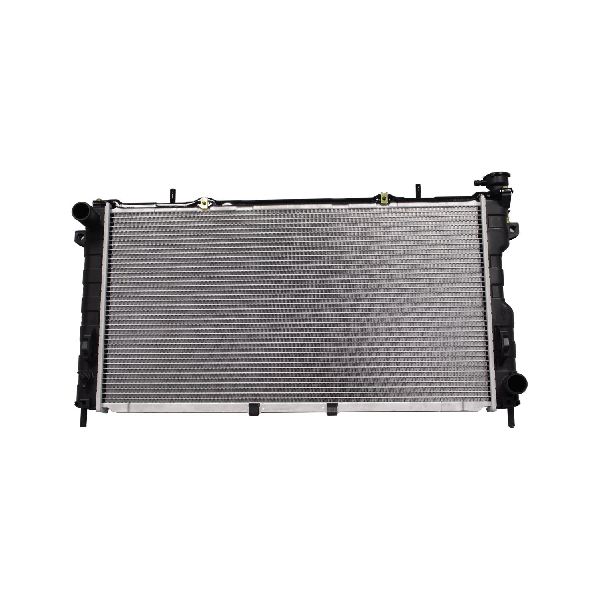
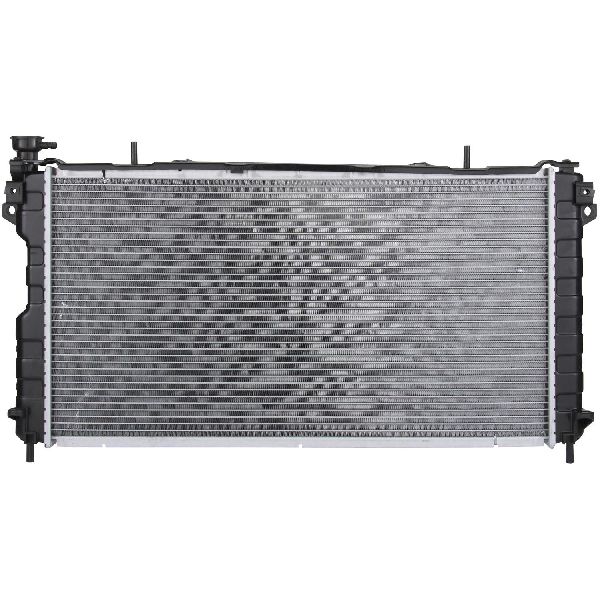
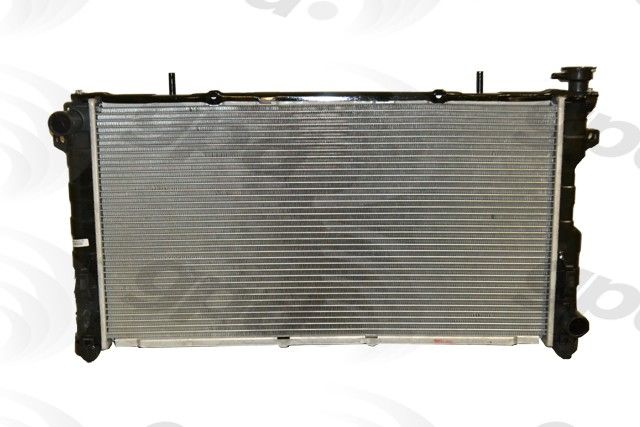
The radiator for the 1994-2004 Chrysler Voyager is a crossflow design, typically with an aluminum core and plastic side tanks. It must have connections for the automatic transmission fluid cooler lines. Core dimensions vary slightly by year and engine (2.4L I4, 3.0L V6, 3.3L V6, 3.8L V6), so verifying the correct part for your specific vehicle is essential.
We Have This Part in Stock


The information in this article is provided for general reference and educational purposes only. Vehicle specifications, procedures, and part compatibility can vary by production date, trim level, and region. Always consult your vehicle's factory service manual and verify part numbers before purchasing or performing repairs. Safety-critical components such as airbags, seat belts, and braking systems should be installed by a qualified professional.
- Chrysler Voyager: