

Engine Coolant Temperature Sensor Guide for 1994-2004 Dodge Ram 2500
Is your Ram's temperature gauge acting up, getting poor fuel mileage, or blowing black smoke?
- For 1994-1998 trucks, verify if you have one or two sensors before buying.
- Symptoms often include poor MPG, black smoke, and an erratic temperature gauge.
- For Cummins engines, using a genuine Mopar or Cummins sensor is strongly recommended for accuracy.
- Replacement is an easy DIY job that typically takes less than an hour.
Signs of a Failing Coolant Temperature Sensor
A bad coolant temperature sensor can cause a range of problems, from annoying to potentially engine-damaging. Because this sensor provides key data to the engine's computer, a false signal can throw many things off. Here are the most common symptoms for a 1994-2004 Dodge Ram 2500.
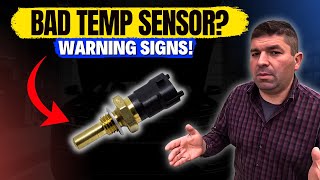
🎬 Watch: A visual guide to these 8 common sensor symptoms.- Check Engine Light: This is often the first sign. A faulty sensor can trigger diagnostic trouble codes like P0115, P0116, P0117, or P0118.
- Poor Fuel Economy: If the sensor incorrectly tells the computer the engine is cold, the computer will inject extra fuel. This rich fuel mixture wastes gas and reduces your MPG.
- Black Smoke from Exhaust: A very rich fuel mixture can lead to unburned fuel igniting in the exhaust pipe, causing visible black smoke—a common complaint from a bad ECT sensor.
- Engine Overheating: The sensor is responsible for telling the computer when to turn on the electric cooling fans (if equipped). If it fails to send a 'hot' signal, the fans may not activate, causing the engine to overheat, especially in traffic.
- Erratic Temp Gauge: The needle on your dashboard's temperature gauge might swing wildly, stay stuck on cold, or show a reading that doesn't make sense.
- Hard Starts or Rough Idle: Incorrect fuel and timing adjustments from a bad sensor reading can make the engine difficult to start or cause it to run poorly.
A Note on 1994-1998 Models
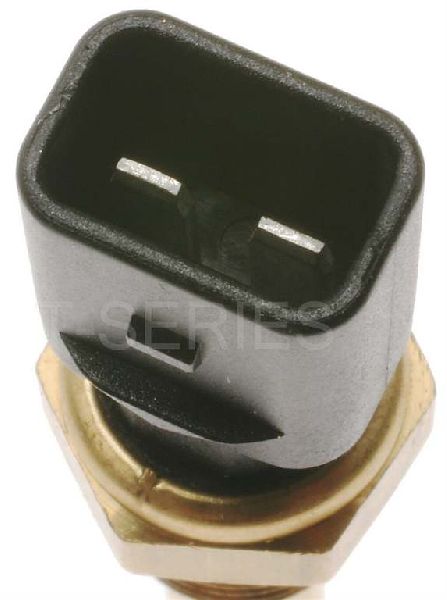
Trucks made between 1994 and mid-1998 often have two separate coolant sensors. One is a two-wire sensor for the engine computer (ECM), and the other is a one-wire sender for the dashboard gauge. Later models use a single sensor for both functions. Be sure to identify which sensor has failed before ordering a replacement. If your gauge is faulty but the truck runs fine, the one-wire sender is likely the problem. If you have performance issues and a check engine light, the two-wire sensor is the probable cause.
Choosing the Right Aftermarket Sensor
When it comes to critical engine sensors for your Ram, quality matters. While budget parts are available, many owners, especially those with Cummins engines, report the best results with OEM or premium aftermarket brands. These trucks can be sensitive to sensors that aren't calibrated to exact factory specifications.
Brand Quality Tiers
- Tier 1 (OEM & Premium Aftermarket): Mopar, Cummins, and Delphi fall into this category. Mopar is the factory OEM part. Cummins-branded sensors are the original part for diesel engines and are highly recommended. Delphi is a major OEM supplier known for quality electronics. For reliability, these are your safest bets.
- Tier 2 (Reputable Aftermarket): Brands like Standard Motor Products (SMP) and NGK/NTK offer a solid balance of price and quality. They are generally reliable, though some forum users still prefer OEM for critical sensors on these trucks. Note that SMP has a lower-cost "T-Series" line which should generally be avoided in favor of their standard line.
- Tier 3 (Budget Brands): This includes various lower-cost brands. While the price is attractive, their sensor accuracy and lifespan can be inconsistent. Using a budget sensor might solve a check engine light but could still provide slightly incorrect data, leading to suboptimal performance or fuel economy.
Pro Tip: For the Cummins diesel engine, spending a little extra on a genuine Cummins or Mopar sensor is a wise investment to avoid future headaches. Aftermarket sensors can sometimes have slightly different resistance values, leading to inaccurate temperature readings.
Cost of Replacing the Sensor
| Part Type | Estimated Cost |
|---|---|
| New OEM (Mopar/Cummins) | $35 - $75 |
| New Aftermarket | $7 - $170 |
| Shop Labor | $75 - $150 |
Frequently Asked Questions
Where is the coolant temperature sensor located on my Ram 2500?
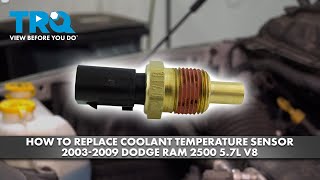
The location depends on your engine. For gas V8 and V10 engines, the sensor(s) are typically on the front of the intake manifold, near the thermostat housing. For Cummins diesel engines, the sensor is usually found on the cylinder head, near the thermostat housing 🎬 Watch: How to replace the sensor on 5.7L V8 engines. or sometimes at the rear of the head on the driver's side on older 12-valve models.
Is this a difficult part to replace myself?
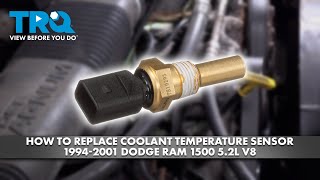
No, this is a great DIY job for beginners. The replacement involves disconnecting the battery, unplugging the electrical connector, and unscrewing the old sensor with a wrench or deep socket. Be prepared for a small amount of coolant to spill. The most difficult part might be accessing the sensor, which on some gas models may require moving the alternator or A/C compressor.
🎬 See this step-by-step replacement walkthrough for 1994-2001 V8 models.Do I need to use Teflon tape on the new sensor?
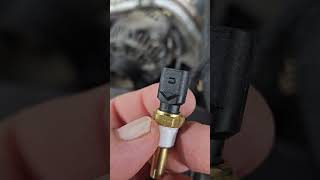
Some replacement guides recommend wrapping the threads with Teflon tape to prevent leaks. However, other sources caution against it, as some sensors ground through their threads, and tape could interfere with the connection. Many new sensors come with a pre-installed O-ring or sealant on the threads, making extra tape unnecessary. Check the instructions with your new part; if it has an O-ring, do not use tape.
Are there any recalls for this part?
No, searches of the National Highway Traffic Safety Administration (NHTSA) database did not show any specific recalls for the engine coolant temperature sensor on 1994-2004 Dodge Ram 2500 models.
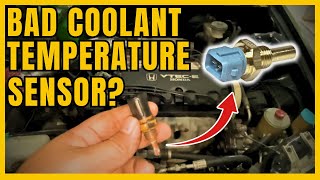
Helpful Videos
Technical Specifications
OEM Part Numbers: 5011852AA 5011852AB 5114413AA 4954905 3096153 3865346
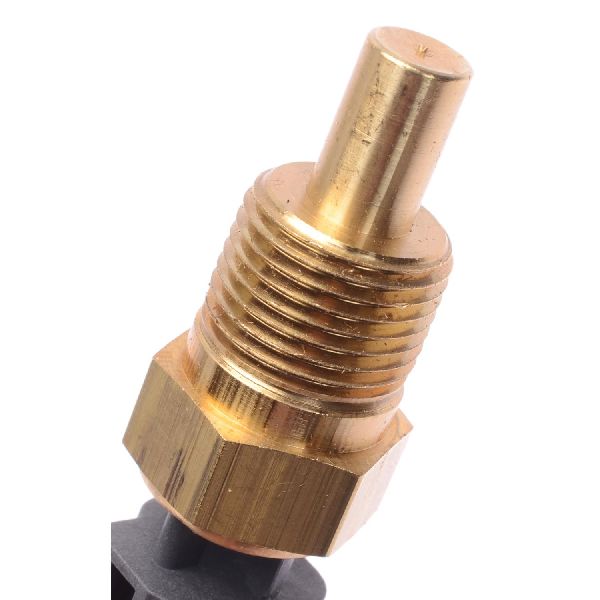
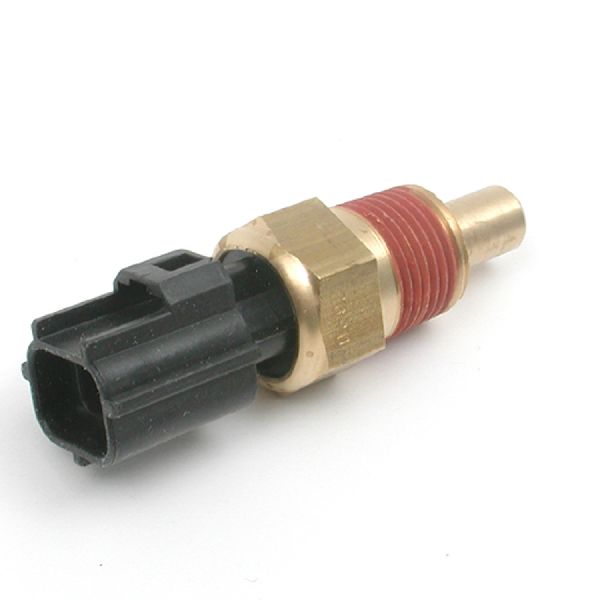
Varies by year and engine. Early models (pre-1998) may use a separate 1-wire sender for the gauge and a 2-wire sensor for the ECU. Later models use a single 2-pin plug-in sensor. Thread size is typically 3/8 inch.
We Have This Part in Stock


The information in this article is provided for general reference and educational purposes only. Vehicle specifications, procedures, and part compatibility can vary by production date, trim level, and region. Always consult your vehicle's factory service manual and verify part numbers before purchasing or performing repairs. Safety-critical components such as airbags, seat belts, and braking systems should be installed by a qualified professional.
- Dodge Ram 2500: