

Guide to the Manifold Absolute Pressure Sensor for 1994-2004 Dodge Ram 3500
A failing MAP sensor can hurt your Cummins' power and fuel economy; here’s how to choose the right replacement.
- A bad MAP sensor can cause black smoke, loss of power, and poor fuel economy.
- Replacement is an easy, 30-minute DIY job with basic tools.
- Cleaning the sensor can be a temporary fix, but replacement is often necessary.
- For reliability, choose an OEM (Mopar) or a premium aftermarket brand like Delphi or NGK.
Is Your MAP Sensor Failing? Common Symptoms
A bad MAP sensor can cause a range of problems that often mimic other engine or turbo issues. Because this sensor is vital for fuel control, symptoms can appear suddenly and worsen over time. Watch for these 🎬 Watch this video to see common bad MAP sensor symptoms. common warning signs:
- Loss of Power: Your truck may feel sluggish, hesitate during acceleration, or struggle to pull heavy loads. This happens when the faulty sensor tells the ECU there's less air than there really is, causing the computer to cut back on fuel.
- Black Smoke from Exhaust: If the sensor incorrectly reports more air than is actually present, the ECU will inject too much fuel. This unburnt diesel exits the tailpipe as thick, black smoke.
- Poor Fuel Economy: A sudden drop in miles per gallon (MPG) is a classic sign of a bad MAP sensor. Whether it's causing too much or too little fuel to be injected, the engine's efficiency suffers.
- Rough Idle: The engine may sputter, surge, or struggle to maintain a steady RPM when stopped.
- Check Engine Light (CEL): A failing MAP sensor will often trigger a CEL. Common diagnostic trouble codes include P0237 (MAP Sensor Circuit Low Input) and others in the P0105-P0109 range.
Don't Ignore the Signs
Driving with a faulty MAP sensor can lead to more than just poor performance. A consistently rich fuel mixture can foul spark plugs (on gas models) and lead to excessive carbon buildup in diesel engines, potentially causing other issues down the road.
Choosing the Right Aftermarket MAP Sensor
When it comes to engine sensors for your Ram 3500, quality matters. While an OEM Mopar sensor is always a safe bet, several aftermarket brands offer reliable alternatives at a better price point. Forum discussions among Ram owners suggest that for critical sensors like the MAP, it's best to avoid the cheapest options, as they can be unreliable. Here’s a breakdown of available brands:
Brand Tiers
- Tier 1 (Premium Aftermarket & OEM): Mopar is the original equipment manufacturer and guarantees a perfect fit and function. Brands like Delphi and NGK/NTK are often OEM suppliers for various manufacturers and have a strong reputation for quality and reliability, making them excellent alternatives.
- Tier 2 (Reputable Aftermarket): Brands such as Standard Ignition (SMP) and Walker Products are well-known in the aftermarket and generally offer a good balance of price and quality. Many owners have used Standard brand sensors with success. Holstein also falls into this category as a solid mid-range option.
- Tier 3 (Value-Oriented): Brands like Global Parts, Skyward, True Tech, and URO Parts offer the most budget-friendly options. While they can be a solution in a pinch, their long-term reliability can be inconsistent. For a critical sensor like the MAP, it's often worth spending a bit more for a part from a higher tier.
Pro Tip: Check the Connector
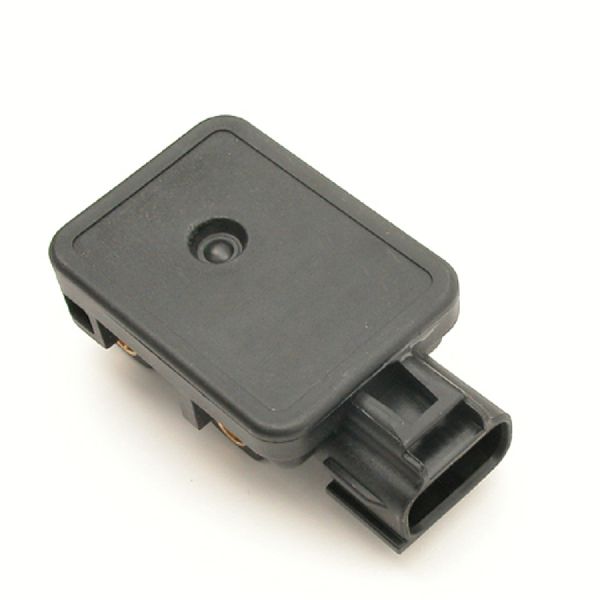
Over the years, Cummins and Mopar sometimes updated sensor designs, which can include the shape of the electrical connector. Always visually compare the new sensor to your old one before installation to ensure it's a direct match. Some replacement sensors may come with a small adapter harness if the design has been updated.
Cost of Replacing a MAP Sensor
The cost to replace the MAP sensor on a 1994-2004 Dodge Ram 3500 can vary, but it's a very manageable job for a DIY mechanic.
| Part Type | Estimated Cost |
|---|---|
| New Aftermarket | $29.75 - $228.48 |
| New OEM (Mopar) | $180 - $250 |
| Shop Labor | $42 - $65 |
| Total (Shop Installed) | $222 - $315+ |
Frequently Asked Questions (FAQ)
Can I just clean my MAP sensor?
Yes, cleaning the MAP sensor is a good first troubleshooting step. Soot and oil vapor from the crankcase ventilation system can coat the sensor element and cause incorrect readings. Use a dedicated Mass Airflow (MAF) or electronics cleaner. Do not use harsh chemicals like brake cleaner, which can damage the sensor's delicate components. Often, cleaning is only a temporary fix for a failing sensor.
Where is the MAP sensor located on my truck?
On the 1994-2004 Dodge Ram 3500 with a Cummins engine, the MAP sensor is typically located on the driver's side of the engine, mounted on the intake manifold, near the back. It's a small, 🎬 See how to locate and replace the sensor on your Ram. squarish sensor with an electrical connector plugging into the top. Replacement is straightforward, usually requiring the removal of one or two T25 Torx screws and the electrical connector.
Are there any recalls for the MAP sensor on this truck?
No, searches of the National Highway Traffic Safety Administration (NHTSA) database did not reveal any specific recalls for the Manifold Absolute Pressure Sensor on the 1994-2004 Dodge Ram 3500.
Is it difficult to replace the MAP sensor myself?
No, this is a very DIY-friendly job. The sensor is easily accessible on top of the engine. The process involves disconnecting the electrical plug, removing two small screws, and carefully lifting the sensor out. The entire job can usually be completed in under 30 minutes with basic hand tools.
🎬 Follow this step-by-step guide for a quick Ram MAP sensor replacement.Helpful Videos
Technical Specifications
OEM Part Numbers: 56041018AC 56041018AD 68199324AB
Typically mounted on the intake manifold, secured by two T25 Torx screws, with a single electrical connection.
We Have This Part in Stock


The information in this article is provided for general reference and educational purposes only. Vehicle specifications, procedures, and part compatibility can vary by production date, trim level, and region. Always consult your vehicle's factory service manual and verify part numbers before purchasing or performing repairs. Safety-critical components such as airbags, seat belts, and braking systems should be installed by a qualified professional.
- Dodge Ram 3500: