

Mercedes-Benz E320 Camshaft Position Sensor Guide (1994-2004)
Diagnose and choose the right replacement camshaft position sensor for your W124 or W210 E320.
- Confirm your engine type (M104 Inline-6 or M112 V6) before ordering, as they use different parts.
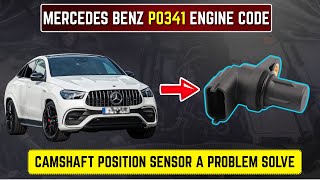
- Symptoms include stalling, no-start, rough idle, and a Check Engine Light (P0340, P0341).
- Choosing an OEM-quality brand like Bosch or Hella is strongly recommended for reliability on this vehicle.
- Replacement is a simple DIY task that takes less than an hour with basic tools.
Understanding Your E320's Camshaft Position Sensor

A failing camshaft position sensor is a common issue on many vehicles as they age, including the 1994-2004 Mercedes-Benz E320. This sensor is exposed to constant heat and vibration, which eventually causes the internal electronics to fail. When it starts to go bad, it sends incorrect data—or no data at all—to the engine computer, causing problems that range from annoying to leaving you stranded.
Engine Differences: M104 vs. M112
It is critical to know which engine your E320 has, as the sensor and its location are different.
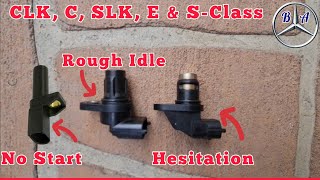
- 1994-1997 E320 (W124 & early W210): These models typically have the M104 inline-6 engine. The camshaft position sensor is located on the front of the cylinder head, near the water pump, and is held in place by two 5mm Allen bolts.
- 1998-2004 E320 (W210 & early W211): These later models have the M112 V6 engine. The sensor is located on the front of the passenger-side cylinder head (Bank 1) and is secured by a single E8 external Torx bolt.
Common Symptoms of Failure

A bad camshaft position sensor will almost always trigger the Check Engine Light. Common symptoms include:
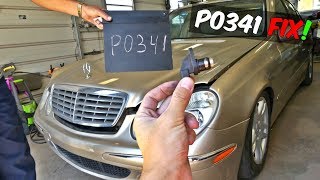
- Check Engine Light: An error code, most commonly P0340 or P0341, will be stored 🎬 Watch this video to learn how to fix a P0341 code. in the engine computer.
- Engine Stalling: The engine may shut off unexpectedly, either while idling or driving. This is a serious safety concern.
- Hard Starting or No Start: The car may crank for a long time before starting, or it may not start at all.
- Rough Idle and Hesitation: The engine may run poorly, shake, or stumble during acceleration.
- Reduced Power and Fuel Economy: You may notice the car feels sluggish and gets worse gas mileage.
Common Ordering Mistake
The most common mistake is ordering a part for the wrong engine. Before buying, confirm if you have the earlier M104 inline-6 or the later M112 V6 engine. They use different sensors.
Choosing the Right Aftermarket Sensor

For a critical sensor on a Mercedes-Benz, brand quality matters. While many brands are available, they fall into different quality tiers. Forum users and mechanics strongly advise against using cheap, unproven sensors, as they can fail prematurely.
Tier 1: OEM-Equivalent (Highly Recommended)
These brands are original equipment suppliers to Mercedes-Benz. An aftermarket part from them is often the exact same as the genuine dealer part, just in a different box and at a lower price.
- Bosch: Widely known to be the original equipment manufacturer for this sensor on the E320. This is the safest and most recommended choice for reliability and peace of mind.
- Hella: Another top-tier German manufacturer that supplies parts to Mercedes-Benz. A Hella sensor is also an excellent and reliable choice.
Tier 2: Reputable Aftermarket
These brands are well-known in the aftermarket and generally produce reliable parts, though they may not be the original supplier for this specific sensor.
- Delphi
- Standard Ignition (SMP)
- Spectra Premium
Tier 3: Budget Options
These brands offer the lowest prices, but the quality can be inconsistent. Using a budget sensor is a gamble; it might work fine, or it could fail quickly, leaving you with the same problem. Given the low cost of labor to replace this part and the risk of being stranded, saving a few dollars here is generally not advised for a Mercedes-Benz.
- URO Parts
- Dorman
- Various unbranded parts
Pro Tip: Replace the O-Ring
The sensor is sealed to the engine with a small rubber O-ring. Always make sure the new sensor comes with a new O-ring and that the old one is removed from the engine before installing the new part. Applying a small amount of clean engine oil to the new O-ring can help it seat properly.
Installation Overview

Replacing the camshaft position sensor is a straightforward job that most DIYers can complete in under an hour.
- Locate the sensor: Find it on the front of the engine (see engine-specific locations above).
- Disconnect: Unplug the electrical connector.
- Remove: Use a 5mm Allen key (M104) or an E8 Torx socket (M112) to remove the retaining bolt(s).
- Swap: Gently twist and pull the old sensor out. Make sure the old O-ring is not left behind. Install the new sensor.
- Reassemble: Tighten the bolt(s), reconnect the electrical plug, and clear any engine codes.
Frequently Asked Questions
Is there a recall on the camshaft position sensor for the E320?
No, there are no specific NHTSA recalls for the camshaft position sensor on the 1994-2004 Mercedes-Benz E320. There is a Technical Service Bulletin (TSB) that relates to camshaft position faults, but it does not constitute a recall.
What's the difference between a camshaft and crankshaft sensor?
They work together. The crankshaft sensor tracks the engine's rotation, while the camshaft sensor tracks the position of the valves. The engine computer needs both signals to time everything perfectly. A failure in either sensor can cause similar symptoms, but the diagnostic trouble code will specify which one is at fault.
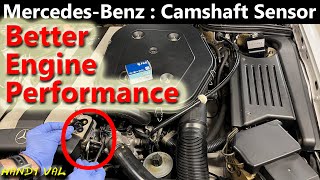
🎬 See how camshaft and crankshaft sensors work together on M112 engines.Why should I buy a Bosch sensor if it costs more than other brands?
Bosch was the original parts supplier to Mercedes-Benz for many components, including this sensor. Paying for a Bosch part means you are getting OEM quality, fit, and reliability without the high price of a part from the Mercedes-Benz dealer. For critical electronics on a German car, this is the most reliable path.
Can I just replace the O-ring if it's leaking oil?
Yes, if the sensor is still functioning correctly but the O-ring seal has failed and is leaking oil, you can replace just the O-ring. However, if the sensor is old, it may be wise to replace the entire unit as a preventative measure, since you have to remove it anyway.
Helpful Videos
Technical Specifications
OEM Part Numbers: A0031539728 0031539728 A0041530728 0041530728 0041536928 A0041536928
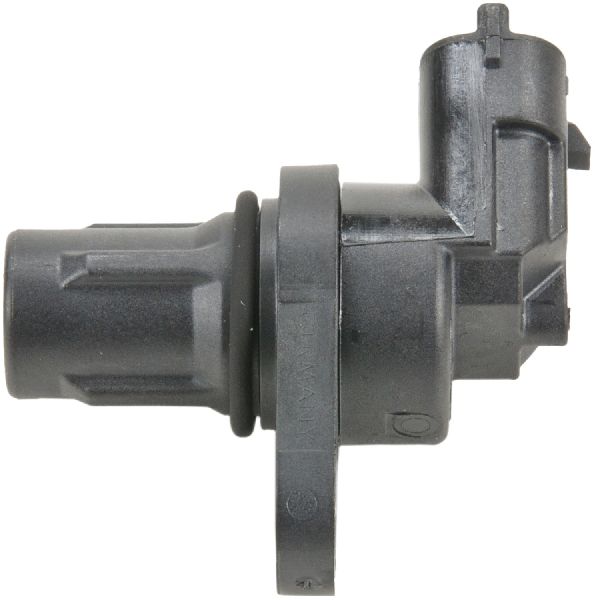
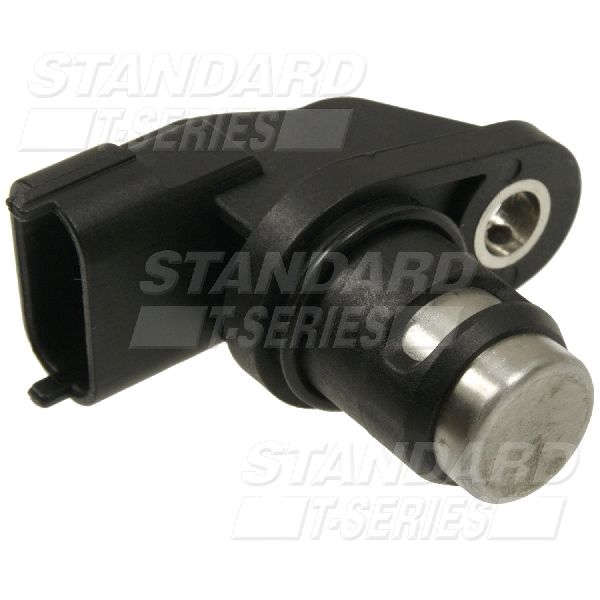
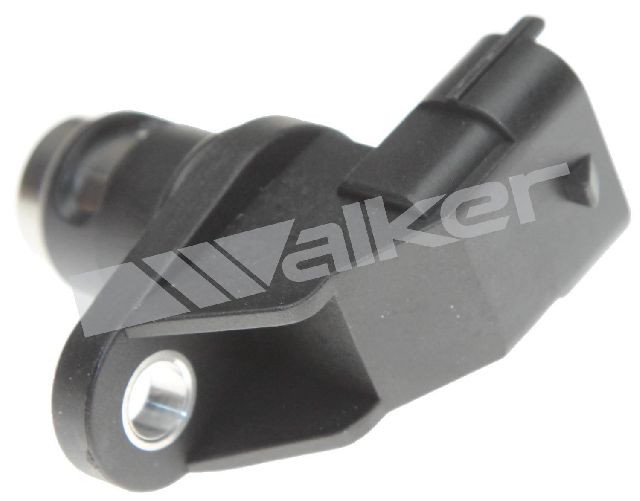
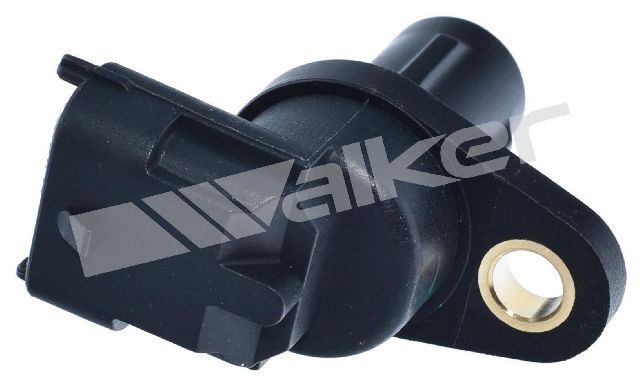
This is a Hall effect sensor that reads the camshaft's position to provide a signal to the engine control unit. The M104 version uses a two-bolt mounting system, while the M112 version uses a single bolt.
We Have This Part in Stock


The information in this article is provided for general reference and educational purposes only. Vehicle specifications, procedures, and part compatibility can vary by production date, trim level, and region. Always consult your vehicle's factory service manual and verify part numbers before purchasing or performing repairs. Safety-critical components such as airbags, seat belts, and braking systems should be installed by a qualified professional.
- Mercedes-Benz E320:
- 🎬 Helpful Videos
- 🛍️ Shop This Part
- Understanding Your E320's Camshaft Position Sensor
- Engine Differences: M104 vs. M112
- Common Symptoms of Failure
- Common Ordering Mistake
- Choosing the Right Aftermarket Sensor
- Tier 1: OEM-Equivalent (Highly Recommended)
- Tier 2: Reputable Aftermarket
- Tier 3: Budget Options
- Pro Tip: Replace the O-Ring
- Installation Overview
- Frequently Asked Questions
- 🎟️ Get 5% Off