

Porsche 911 (993 & 996) Ignition Knock Sensor: A Complete Guide (1994-2004)
Protect your 911's engine from damaging detonation by understanding knock sensor failure and choosing the right replacement.
- A bad knock sensor will cause a check engine light and a noticeable loss of power as the engine enters a protective 'limp mode'.
- Bosch is the Original Equipment Manufacturer (OEM); choosing this brand for an aftermarket part provides OEM quality at a lower price.
- Replacement on a 996 (1999-2004) is much more labor-intensive than on a 993 (1994-1998) due to the need to remove the intake manifold.
- Correct torque on the sensor's mounting bolt is critical for it to function properly.
Is Your 911 Feeling Sluggish? It Could Be a Bad Knock Sensor
A failing knock sensor is a common issue on both air-cooled (993) and water-cooled (996) Porsche 911 models. When a sensor goes bad, the engine's computer (DME) can no longer hear if detonation is occurring. To be safe, the DME defaults to a protective "limp mode," which drastically reduces ignition timing and engine power. This leads to sluggish acceleration and poor performance, even if the engine itself is mechanically sound. Replacing a faulty sensor is key to restoring your car's power and protecting the engine long-term.
Symptoms of Knock Sensor Failure on a 911
A bad knock sensor will almost always trigger a Check Engine Light. You might also notice one or more of the following signs:
- Significant Loss of Power: The car will feel noticeably slower, especially during acceleration, because the DME has retarded the ignition timing to prevent potential damage.
- Check Engine Light: Fault codes for a knock sensor circuit are common, such as P0327 for Bank 1 or P0332 for Bank 2.
- Worse Fuel Economy: With the engine running inefficiently, you'll see a drop in your miles per gallon.
- Audible Engine Pinging: In severe cases of sensor failure, the DME may not be able to correct for detonation, and you might hear a metallic pinging or knocking sound from the engine under load. This is a sign of a serious condition that requires immediate attention.
A Note on Wiring on 996 Models
On the 996-generation 911, the wiring harness for the knock sensors is sometimes chewed by rodents, which can cause the same fault codes as a bad sensor. Before replacing the sensors, it is wise to first inspect the wiring for any visible damage.
Choosing the Right Aftermarket Knock Sensor for Your 911
For a critical engine sensor, quality and accuracy are paramount. While several brands are available, owner experiences and mechanic recommendations point to a clear hierarchy.
Tier 1: OEM Supplier
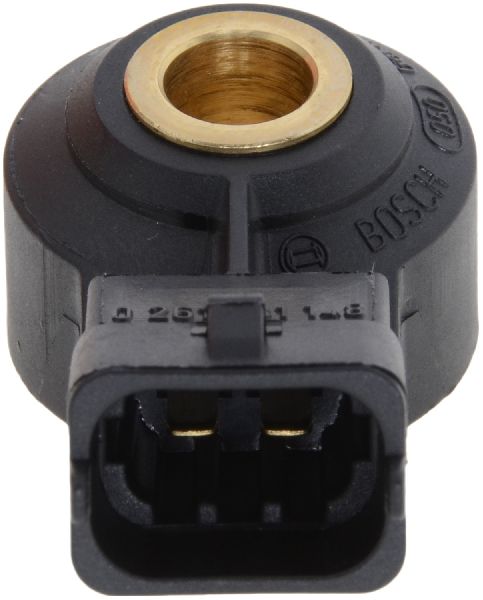
- Bosch: Bosch is the original equipment manufacturer (OEM) for Porsche for this part. Choosing a Bosch-branded aftermarket sensor will give you the exact same quality and performance as the part from a Porsche dealer, but at a significantly lower cost. For reliability, this is the most recommended option.
Tier 2: Reputable Aftermarket Brands
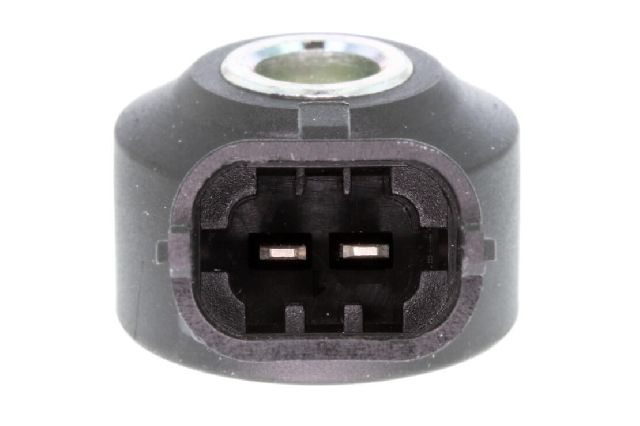
- Standard Ignition (SMP), Vemo, Facet: These brands offer a more budget-friendly alternative. While they may function correctly, they are not the original supplier. For a high-performance engine like the one in a 911, sticking with the OEM (Bosch) is generally considered the safest bet to ensure proper performance and longevity.
Tier 3: Basic/Economy Brands
- Global Parts: These are typically the lowest-cost options. Given the critical function of the knock sensor and the difficulty of replacement on some models, installing a budget part may be a false economy if it fails prematurely.
Always Replace in Pairs?
While you can replace just the one failed sensor, it is often recommended to replace both at the same time. They are the same age, and the labor to access them is significant, especially on the 996. Replacing both ensures you won't have to do the job again in the near future if the second sensor fails.
Cost of Replacing a Porsche 911 Knock Sensor
The cost can vary significantly based on your 911 model due to differences in labor.
| Part/Service | 993 (1994-1998) Est. Cost | 996 (1999-2004) Est. Cost | Notes |
|---|---|---|---|
| New Aftermarket Part (Each) | $39 - $112 | $39 - $112 | Price depends on brand. Bosch is highly recommended. Two sensors are used on the vehicle. |
| New OEM Part (Each) | $165 - $285 | $165 - $285 | This is for a part in a Porsche box, which is typically a Bosch sensor. |
| Shop Labor | $250 - $450 | $450 - $750+ | The 996 requires removal of the intake manifold, making the job much more labor-intensive. |
| Total Estimated Cost (Aftermarket Parts) | $330 - $675 | $530 - $975+ | Based on replacing both sensors with quality aftermarket parts. |
Frequently Asked Questions
How many knock sensors does my 1994-2004 Porsche 911 have?
All 993 and 996 models from this era are equipped with two knock sensors, one for each cylinder bank (cylinders 1-3 and 4-6).
Is it difficult to replace the knock sensors myself?
It depends on your model and mechanical skill. On a 993, the job requires removing the alternator and fan to gain access. On a 996, it is significantly more difficult as the intake manifold must be removed. For either model, it is critical that the new sensors are torqued correctly, as over or under-tightening can cause them to malfunction.
Are there any recalls for the knock sensor on my 911?
No. Searches of the National Highway Traffic Safety Administration (NHTSA) database and other records show no safety recalls or specific Technical Service Bulletins (TSBs) for knock sensor failure on the 1994-2004 Porsche 911.
What happens if I ignore a bad knock sensor?
You will continue to experience poor engine performance and bad fuel economy. More importantly, if the sensor is completely non-functional, the DME cannot detect real engine knock, which could lead to catastrophic engine damage if a bad batch of fuel or another issue causes detonation.
Technical Specifications
OEM Part Numbers: 99360614100 99660612500 99660612501
Quantity Required: 2. Location: Engine Block, one per cylinder bank.
We Have This Part in Stock


The information in this article is provided for general reference and educational purposes only. Vehicle specifications, procedures, and part compatibility can vary by production date, trim level, and region. Always consult your vehicle's factory service manual and verify part numbers before purchasing or performing repairs. Safety-critical components such as airbags, seat belts, and braking systems should be installed by a qualified professional.
- Porsche 911:
- 🛍️ Shop This Part
- Is Your 911 Feeling Sluggish? It Could Be a Bad Knock Sensor
- Symptoms of Knock Sensor Failure on a 911
- A Note on Wiring on 996 Models
- Choosing the Right Aftermarket Knock Sensor for Your 911
- Tier 1: OEM Supplier
- Tier 2: Reputable Aftermarket Brands
- Tier 3: Basic/Economy Brands
- Always Replace in Pairs?
- Cost of Replacing a Porsche 911 Knock Sensor
- Frequently Asked Questions
- 🎟️ Get 5% Off