

Chevrolet Impala Engine Intake Manifold Temperature Sensor Guide (1994-2005)
Understanding the Intake Air Temperature (IAT) sensor in your 1994-1996 or 2000-2005 Impala is key to solving performance issues.
- Verify your Impala's generation (1994-1996 or 2000-2005) before purchasing, as the sensors are different.
- Symptoms often include a Check Engine Light (codes P0112, P0113), poor fuel economy, rough idle, and hard starting.
- Replacement is very easy for a DIYer and typically takes less than 15 minutes with basic tools.
- Aftermarket brands like Standard Ignition offer reliable quality for this simple part, providing good value compared to OEM.
Generational Differences: 1994-1996 vs. 2000-2005 Impala
It's important to know that the 1994-1996 Impala SS and the 2000-2005 Impala are very different vehicles. The '94-'96 models are rear-wheel drive with a 5.7L LT1 V8 engine. The 2000-2005 models are front-wheel drive and came with 3.4L or 3.8L V6 engines. The Intake Air Temperature (IAT) sensor is specific to each engine type, so ensure you are buying the correct part for your year and engine.
Symptoms of a Failing IAT Sensor
A bad IAT sensor can cause a range of problems because it sends incorrect information to the engine computer. This can lead to the computer creating the wrong fuel mixture. Common signs include a rough or uneven idle, difficulty starting (especially when cold), reduced fuel economy, and hesitation during acceleration. 🎬 Watch a breakdown of IAT failure symptoms and repair costs. You will almost certainly get a Check Engine Light on your dashboard.
Choosing the Right Aftermarket Sensor
For a simple and inexpensive part like the IAT sensor, aftermarket options offer good value. OEM-quality is not a major concern here, as the technology is basic. The key is to choose a brand with a reputation for quality control.
- Standard Ignition (Standard Motor Products): A well-known and respected aftermarket brand that has been trusted by technicians for years. They manufacture a wide range of sensors and test them to ensure performance. Standard is generally considered a reliable choice.
- True Tech: Reviews for "True Tech" auto parts are often associated with repair shops rather than a specific parts brand. This suggests it may be a private label or house brand. Quality can be variable with these types of brands, but for a simple sensor, they are often a cost-effective option.
Pro Tip: Clean it First
Sometimes, the sensor isn't actually broken—it's just dirty. Oil or debris can cover the sensor tip, insulating it from the air and causing incorrect readings. Before you buy a new one, try removing the sensor and cleaning it carefully with a dedicated mass airflow sensor cleaner. Do not touch the sensor element with your fingers or a brush.
Cost of Replacing the Impala IAT Sensor
| Part Type | Estimated Cost |
|---|---|
| New Aftermarket Sensor | $19.54 - $22.41 |
| New OEM (AC Delco) | $20.00 - $30.00 |
| Shop Labor | $50 - $100 |
Frequently Asked Questions
Where is the IAT sensor located on my Impala?
For 1994-1996 Impala SS models with the LT1 engine, the sensor is typically screwed into the intake manifold itself. For the 2000-2005 V6 models, it is usually a push-in style sensor located in the plastic air intake tube, somewhere between the air filter box and the engine throttle body.
🎬 See a video guide on locating your intake air sensor.Are there any recalls for this part?
There are no specific recalls issued by the NHTSA for the Intake Air Temperature sensor on the 1994-2005 Chevrolet Impala. However, numerous other recalls exist for these model years, including for the ignition switch which could cause the engine to turn off while driving.
What are common trouble codes for a bad IAT sensor?
The most common OBD-II codes are P0112 (Intake Air Temperature Sensor 1 Circuit Low) and P0113 (Intake Air Temperature Sensor 1 Circuit High). P0112 indicates the computer sees a lower-than-expected voltage (reading too hot), while P0113 means the voltage is higher than expected (reading too cold). Both point to a problem with the sensor or its wiring.
Is this a difficult part to replace myself?
No, this is a very easy DIY job for most owners. The sensor is usually easily accessible and requires minimal tools. For the 2000-2005 models, it often just pulls out of the intake tube after disconnecting the electrical plug. The 1994-1996 version may require a wrench or socket to unscrew. 🎬 Watch how to replace the sensor on an LT1 engine. The entire job should take less than 15 minutes.
Helpful Videos
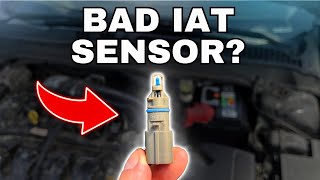

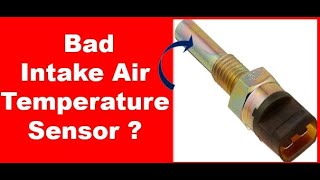
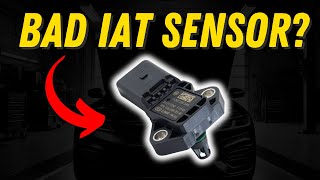
Technical Specifications
OEM Part Numbers: 213-4663
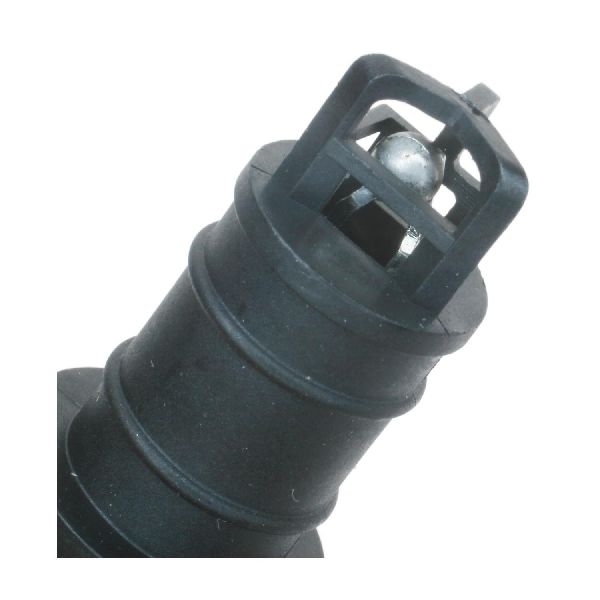
Typically a two-terminal thermistor sensor. The 1994-1996 version is a screw-in type, while the 2000-2005 version is a push-in type for the intake duct.
We Have This Part in Stock


The information in this article is provided for general reference and educational purposes only. Vehicle specifications, procedures, and part compatibility can vary by production date, trim level, and region. Always consult your vehicle's factory service manual and verify part numbers before purchasing or performing repairs. Safety-critical components such as airbags, seat belts, and braking systems should be installed by a qualified professional.
- Chevrolet Impala: