

Chevrolet S10 Crankshaft Position Sensor: A Complete Guide (1994-2005)
Solve your S10's starting, stalling, and rough running issues by understanding and replacing your crankshaft position sensor.
- A failing crank sensor is a top cause of crank-no-start and stalling issues in the 1994-2005 S10.
- After replacement on 1996+ models, a 'CASE Relearn' procedure with a scan tool is mandatory to avoid running issues and a P1336 code.
- Sensor location differs by engine: it's on the front timing cover for the 4.3L V6 and on the passenger side of the block for the 2.2L 4-cylinder.
- Choosing a premium brand like ACDelco or Delphi is recommended for this critical sensor to ensure reliability.
Is Your S10's Crank Sensor Failing?

A bad crankshaft position sensor can cause problems that seem major, but are often fixed with this one small part. The symptoms often get worse as the engine warms up. Look for these common signs of failure in your 1994-2005 S10.
Key Failure Symptoms:
- Engine Cranks but Won't Start: This is the most common and serious symptom. The engine will turn over but never fire up because the computer doesn't know when to create spark.
- Intermittent Stalling: The truck may suddenly shut off while you're driving or idling at a stoplight. This can be dangerous, especially in traffic.
- Rough Idle and Misfires: Your engine might shake, vibrate, or run unevenly at idle. This happens because the spark timing is off, causing cylinders to misfire.
- Poor Acceleration: The truck may feel sluggish, hesitate, or lack power when you press the gas pedal.
- Check Engine Light: A failing sensor will almost always trigger a Check Engine Light and store a trouble code, like P0335.
A Critical Relearn Procedure is Required
After you replace the crankshaft position sensor on any 1996-2005 S10, you must perform a "Crankshaft Position Variation Relearn" procedure (also called a CASE relearn). If you skip this step, the engine may run poorly, misfire, and the check engine light will stay on with a P1336 code. This procedure requires a bi-directional scan tool; it cannot be done by simply disconnecting the battery. Most repair shops can perform this service for a small fee if you don't own the required tool.
Choosing the Right Aftermarket Crank Sensor

For a part this critical, brand quality matters. A cheap sensor can fail quickly, leaving you stranded again. Here’s a breakdown of available aftermarket brands, from premium to budget-friendly.
- Premium OE-Quality Brands (ACDelco, Delphi): ACDelco is the original GM parts supplier, offering a direct replacement for the factory sensor. Delphi is another original equipment manufacturer that provides high-quality sensors often identical to the factory part. For peace of mind, these are the top choices.
- Trusted Aftermarket Brands (NGK, Standard Motor Products, Hitachi): Brands like NGK (also known as NTK), Standard Ignition (SMP), and Hitachi have a strong reputation for producing reliable electronic parts that meet or exceed OEM specifications. They are a solid choice if an OE part isn't available.
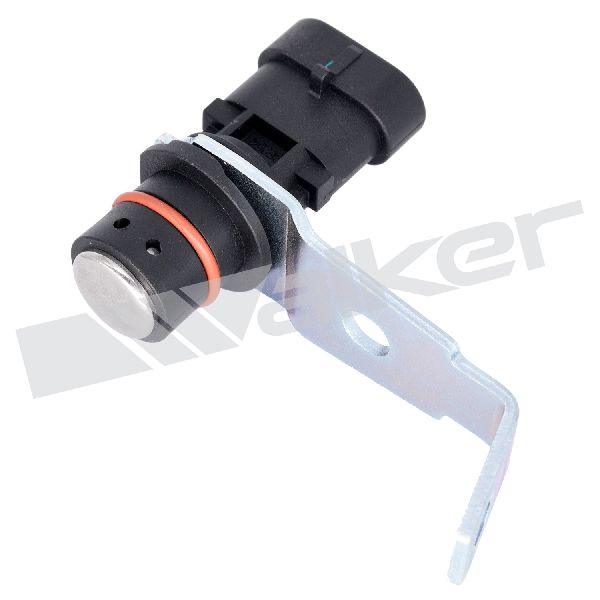
- Value Brands (Dorman, Walker, Holstein): These brands offer a more affordable option. While they can be a good value, some professional mechanics and experienced owners prefer to use premium brands for critical sensors like the CKP to ensure long-term reliability.
Pro Tip: Location and Installation

The sensor's location depends on your engine:
- 4.3L V6: Look on the front of the engine, near the bottom of the timing chain cover, just behind the main crankshaft pulley. It's held in by one bolt.
- 2.2L 4-Cylinder: The sensor is on the passenger side of the engine block, below the ignition coil module. Access is tight; it's easiest to reach by removing the front passenger-side wheel and the plastic inner fender liner.
During installation, always lubricate the new sensor's O-ring with a dab of clean engine oil. This helps it slide in easily and seal properly. Be careful during removal, as old sensors can become brittle and break off in the engine block, which makes the job much harder.
Cost of a New Crankshaft Position Sensor
| Part Type | Typical Price Range |
|---|---|
| New Aftermarket (Value) | $16 - $40 |
| New Aftermarket (Premium) | $40 - $100 |
| New OEM (ACDelco) | $55 - $100+ |
| Shop Labor for Relearn Procedure | $50 - $120 |
Frequently Asked Questions

Do I really need to do the relearn procedure?
Yes. For 1996 and newer models, the engine computer is programmed to look for the specific signal from the old sensor. The relearn procedure teaches the computer the signal from the new sensor. Without it, the computer thinks there is a problem with engine timing, which causes poor performance and a check engine light.
What is the difference between a 2-wire and 3-wire sensor?
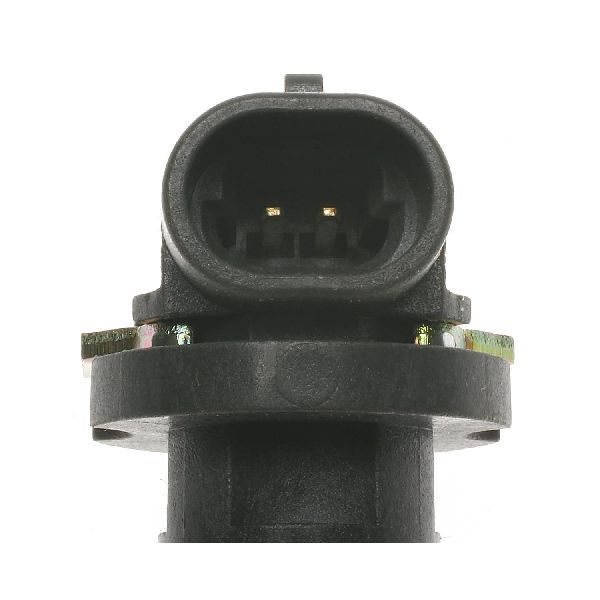
The type of sensor depends on your truck's specific year and engine. A 2-wire sensor is typically a magnetic pickup that generates its own AC voltage signal. A 3-wire sensor is usually a Hall-effect type that uses a power, ground, and signal wire to send a digital square-wave signal to the computer. You must use the correct type for your vehicle.
My sensor broke off during removal. What do I do?
This is a common problem, especially on older trucks. If the plastic body of the sensor breaks, leaving the metal part stuck in the block, you may need to carefully drill a small hole in the remaining piece and use a screw with a slide hammer to pull it out. Be very careful not to damage the engine block.
Can a bad crank sensor cause a no-spark condition?
Absolutely. The crank sensor signal is the primary input the ECM uses to determine when to fire the ignition coils. If the ECM does not see a signal from the crank sensor, it will not produce spark.
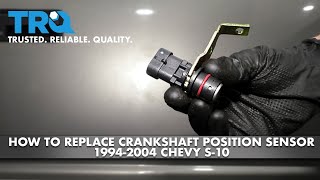
Helpful Videos

Technical Specifications
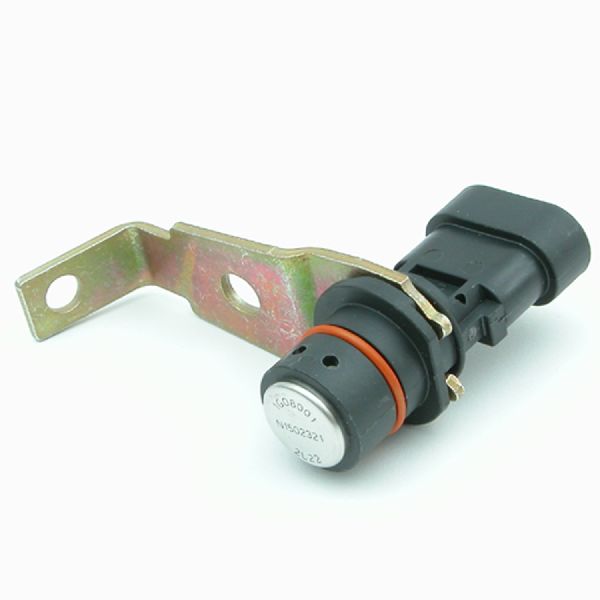
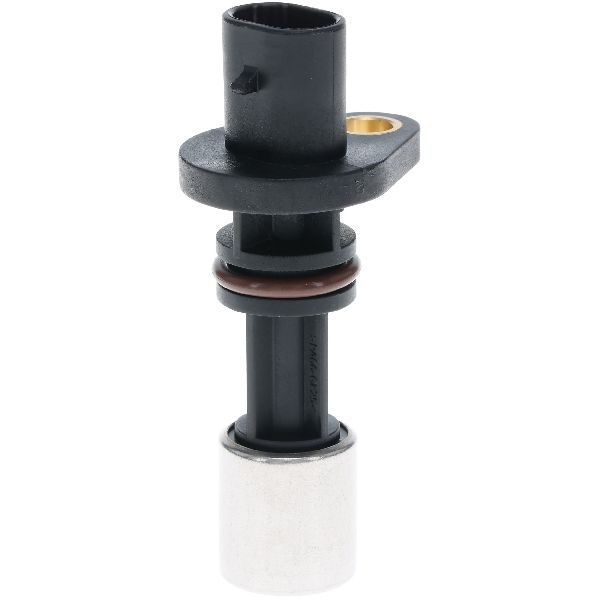
OEM Part Numbers: 12596851 10456555 10456614 24575636 10456200 10456607
Varies by engine (2.2L vs 4.3L) and year. The sensor can be a 2-wire magnetic pickup or a 3-wire Hall-effect sensor. It is secured by a single 10mm bolt. A crankshaft position variation relearn is required for 1996+ models after installation.
We Have This Part in Stock


The information in this article is provided for general reference and educational purposes only. Vehicle specifications, procedures, and part compatibility can vary by production date, trim level, and region. Always consult your vehicle's factory service manual and verify part numbers before purchasing or performing repairs. Safety-critical components such as airbags, seat belts, and braking systems should be installed by a qualified professional.
- Chevrolet S10: