

Ford Mustang (1994-2005) Disc Brake Caliper: A Complete Guide
If your Mustang pulls to one side or you hear grinding noises, a bad brake caliper could be the culprit.
- Always verify your Mustang's sub-model (V6, GT, Cobra) before ordering, as front calipers and rear brackets are different.
- Replacing calipers in pairs (both fronts or both rears) is critical for balanced braking and safety.
- A common failure on 1999-2004 models is a sticking caliper due to swollen phenolic pistons; consider replacements with steel pistons or new phenolic designs.
- Properly bleeding the brake system after installation is not optional; it is essential for removing air and ensuring a firm pedal and safe operation.
Symptoms of a Failing Brake Caliper
A bad brake caliper isn't just an inconvenience; it's a serious safety issue. A seized or leaking caliper can dramatically increase your stopping distance or cause you to lose control. Watch for these common signs:
- Vehicle Pulling to One Side: A stuck caliper can cause constant brake drag on one wheel, making the car pull to that side while driving or braking.
- Uneven Brake Pad Wear: If you find one brake pad is worn down significantly more than the other on the same wheel, it's a classic sign of a seized caliper piston or stuck slide pins.
- Spongy or Soft Brake Pedal: A leak in the caliper's piston seal or bleeder screw can let air into the brake lines, resulting in a pedal that feels soft and less responsive.
- Grinding or Squealing Noises: While often a sign of worn pads, a seized caliper can cause pads to wear down to the metal backing plate, creating a loud grinding sound against the rotor.
- Burning Smell or Excessive Heat: A dragging brake caused by a stuck caliper generates a huge amount of heat, which you can often smell after a drive. The wheel with the bad caliper will be noticeably hotter than the others.
Known Issues for 1994-2005 Mustangs
The 1994-2005 generation is known for a few specific caliper issues. The dual-piston PBR calipers found on GT and Cobra models from 1999-2004 sometimes used phenolic pistons, which can swell over time from moisture absorption in the brake fluid, causing them to stick in the caliper bore. This often leads to a dragging brake and overheating. Additionally, the rear calipers, which incorporate the parking brake mechanism, can sometimes seize if the parking brake is not used regularly, causing the rear brakes to drag. While no major caliper-specific recalls were found for this entire year range, a parking brake recall was issued for 1994-2001 models with manual transmissions.
Choosing the Right Aftermarket Caliper
When replacing a caliper, you have several options. For a daily driver, a quality new or remanufactured caliper will restore original performance. For those seeking better stopping power, an upgrade is a great choice.
Brand Tiers
- Performance Upgrade (Best): PowerStop is a popular choice for Mustang owners looking for an upgrade. Their calipers often come powder-coated for corrosion resistance and are included in complete kits with performance rotors and pads. They are considered a solid step up from stock for street performance.
- OEM-Quality Replacement (Better): Motorcraft is Ford's OEM brand, offering a direct replacement for original quality. Raybestos and Centric are well-regarded aftermarket brands that provide OEM-equivalent or better quality. Their calipers are a reliable choice for restoring factory performance and are often available with protective coatings to prevent rust.
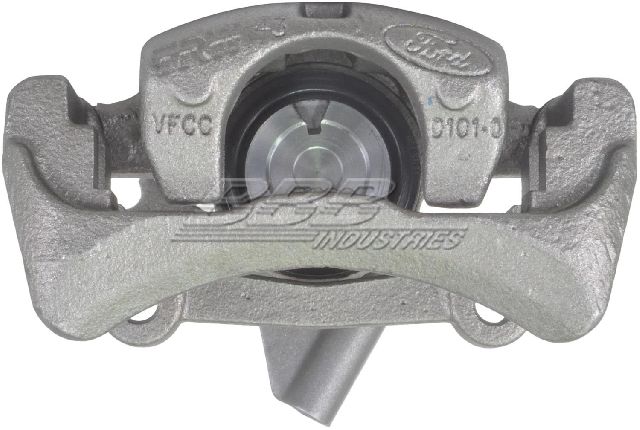
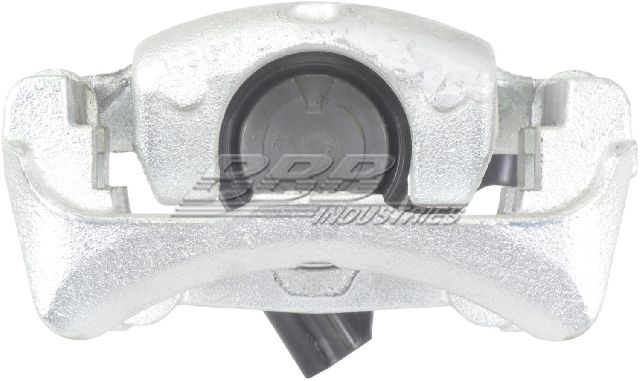
- Standard Replacement (Good): Brands like Cardone, BBB Industries, and Dynamic Friction offer cost-effective solutions. Cardone is one of the largest suppliers of remanufactured calipers, which can be a good value, though some users report inconsistent quality. These are suitable for daily driving when budget is a primary concern.
Pro Tip: New vs. Remanufactured
A new caliper is made from all-new materials. A remanufactured (or "reman") caliper starts with an original OEM core that is disassembled, cleaned, inspected, and rebuilt with new seals, boots, and hardware. While remanufactured calipers from reputable brands are a great, budget-friendly option, new calipers eliminate any potential for fatigue or wear in the caliper body itself.
Distinctions for Mustang Models (GT vs. Cobra)
It's crucial to order the correct caliper for your Mustang's trim level. While they may look similar, there are key differences:
- Front Calipers: From 1999-2004, both GT and Cobra models used dual-piston PBR calipers, but they were not identical. The Cobra calipers were designed to fit over larger 13-inch rotors, providing better heat dissipation and fade resistance. The GT calipers used a smaller rotor.
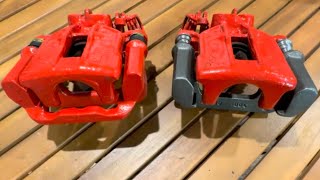
- Rear Calipers: The rear caliper bodies are physically the same for V6, GT, and Cobra models. However, the caliper mounting bracket is different to accommodate the thicker, vented rear rotors on Cobra models versus the solid rotors on GT/V6 models. 🎬 See the visual differences between Cobra and GT rear calipers. Using the wrong bracket will cause fitment issues.
| Part Type | Estimated Cost (Per Caliper) |
|---|---|
| New OEM (Motorcraft) | $100 - $250 |
| New Aftermarket | $50 - $415 |
| Remanufactured Aftermarket | $45 - $120 (plus core charge) |
| Shop Labor | $100 - $200 per caliper |
Frequently Asked Questions
Should I replace brake calipers in pairs?
Yes, it is highly recommended to replace calipers in pairs (both front or both rear). This ensures even braking performance and prevents the car from pulling to one side. If one caliper has failed due to age and corrosion, the other is likely not far behind.
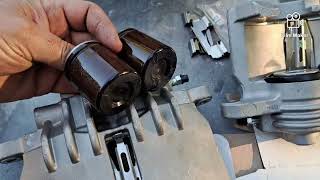
What is the difference between phenolic and steel caliper pistons? 🎬 Watch how to swap phenolic pistons for steel ones.
Steel pistons are strong and dissipate heat well, making them great for heavy-duty use. Phenolic (a type of composite resin) pistons are lighter, don't rust, and are excellent at insulating the brake fluid from heat, which helps prevent fluid boil under sustained braking. However, older phenolic pistons on some Mustangs have been known to swell over time and cause the caliper to stick.
Do I need special tools to replace a Mustang brake caliper?
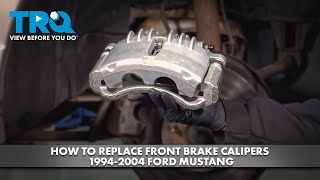
Standard hand tools like a socket set, wrenches (including a flare nut wrench for the brake line), and a pry bar are required. You will also need a tool to compress the caliper piston, a drain pan for brake fluid, and equipment to properly bleed the brake system afterward. 🎬 Follow this step-by-step guide to replace your front calipers. For rear calipers, a special tool may be needed to rotate the piston back into its bore.
What is a "core charge"?
A core charge is a deposit you pay when buying a remanufactured part. You get this deposit back when you return your old, rebuildable caliper to the seller. This process ensures a steady supply of old parts (cores) for remanufacturers to rebuild.
Helpful Videos
Technical Specifications
OEM Part Numbers: F4ZZ2B120A F4ZZ2B121A XR3Z2B120AA XR3Z2B121AA 2R3Z2552AA 2R3Z2553AA
V6/GT models typically use single-piston front calipers (1994-1998) or dual-piston front calipers (1999-2004). Cobra, Bullitt, and Mach 1 models use dual-piston PBR front calipers designed for larger 13-inch rotors. Rear calipers are all 38mm single-piston units, but the mounting bracket differs between GT/V6 (solid rotor) and Cobra (vented rotor).
We Have This Part in Stock




The information in this article is provided for general reference and educational purposes only. Vehicle specifications, procedures, and part compatibility can vary by production date, trim level, and region. Always consult your vehicle's factory service manual and verify part numbers before purchasing or performing repairs. Safety-critical components such as airbags, seat belts, and braking systems should be installed by a qualified professional.
- Ford Mustang: