

Suspension Ball Joint Guide for the 1994-2005 Mazda B4000
Fix clunking sounds and steering wander by choosing the right replacement ball joints for your truck.
- Verify fitment for your truck's specific drivetrain (2WD vs. 4WD) as upper ball joints are often different.
- Replacing the entire upper control arm is often easier than pressing a new ball joint and replaces worn bushings.
- A wheel alignment is mandatory after replacing ball joints to prevent tire damage and ensure safe handling.
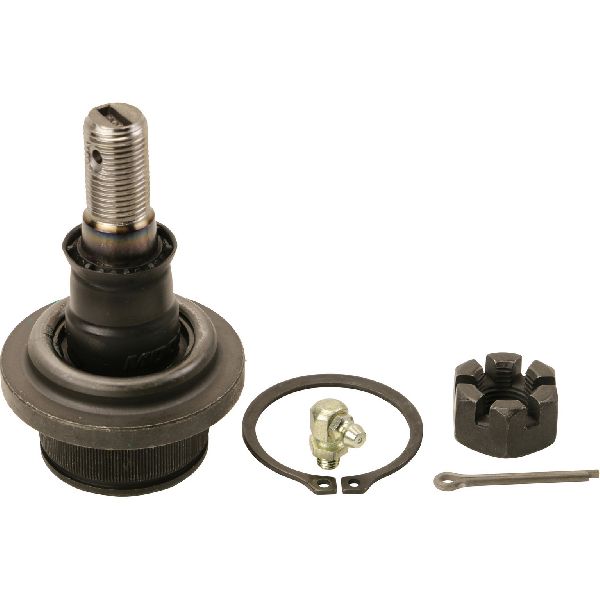
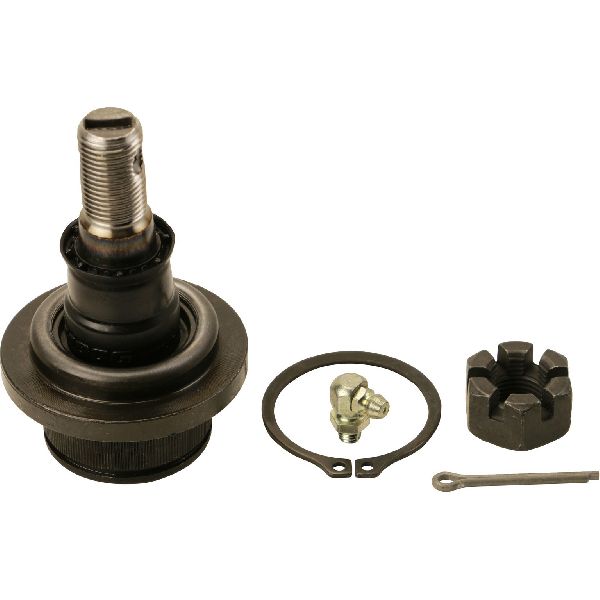
- Premium brands like Moog and TRW are recommended for durability and often include grease fittings for longer life.
Is Your Mazda B4000 Showing Signs of Bad Ball Joints?
The ball joints on the 1994-2005 Mazda B4000 are a common wear item. Since the B4000 is a twin to the Ford Ranger, it shares the same suspension design and potential issues. When ball joints start to fail, they can cause a range of problems from annoying noises to dangerous driving conditions. Ignoring these symptoms can lead to catastrophic failure where the wheel can separate from the suspension.
Key Symptoms of Failure:
- Clunking or Popping Noises: You may hear a distinct "clunk" or "pop" from the front suspension, especially when going over bumps or making sharp turns. This is often the first and most common sign.
- Steering Wander: The truck may feel like it's drifting or wandering on the road, requiring constant steering corrections to drive straight.
- Uneven Tire Wear: Worn ball joints can throw off the wheel alignment, causing the inside or outside edges of your front tires to wear out much faster than the rest of the tread.
- Vibration: A failing ball joint can cause vibrations that you might feel in the steering wheel or through the floorboards.
Known Issues & Recalls
While there are no major recalls specifically for ball joints on the 1994-2005 Mazda B4000 or its Ford Ranger counterpart, it's important to note that suspension components are high-wear items. The original factory ball joints can last a long time, but their lifespan is heavily dependent on driving conditions. Newer model year Ford Rangers have had recalls for ball joint-related issues, but these do not apply to the 1994-2005 generation.
Choosing the Right Aftermarket Ball Joints
When shopping for new ball joints, it's crucial to buy the correct parts for your specific truck. The biggest difference is between 2-Wheel Drive (2WD) and 4-Wheel Drive (4WD) models, and whether your truck has a coil spring or torsion bar front suspension.
- 2WD vs. 4WD: The upper ball joints are often different between 2WD and 4WD models. The lower ball joints are sometimes the same, but it is critical to verify fitment. Always confirm the part is listed for your exact drivetrain.
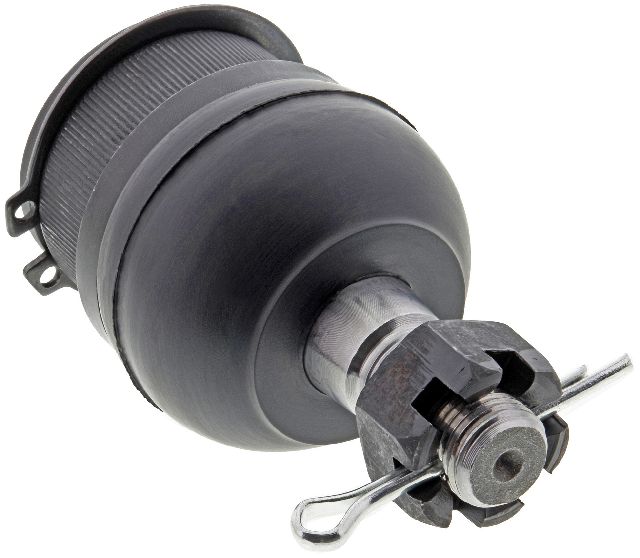
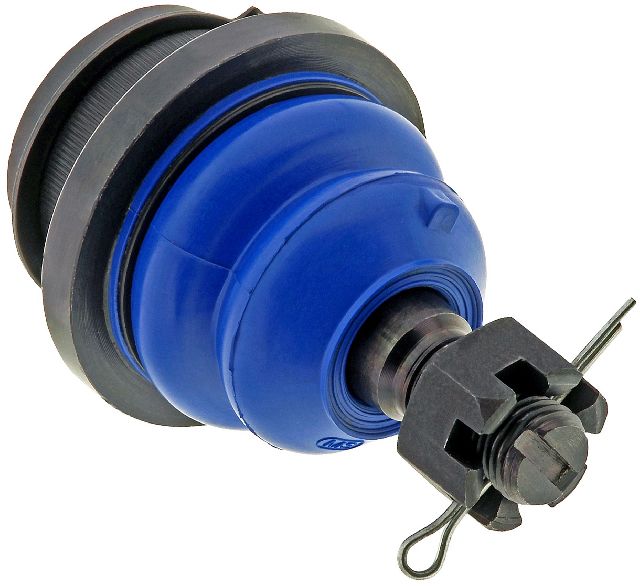
- Upper vs. Lower: The upper and lower ball joints are not interchangeable. On many B4000/Ranger models, the upper ball joint is part of the upper control arm and must be replaced as a single assembly. However, some aftermarket control arms are designed with replaceable ball joints. The lower ball joints are typically pressed into the lower control arm and can be replaced individually.
Pro Tip: Many owners choose to replace the entire upper control arm assembly rather than just pressing in a new upper ball joint (if possible). This also replaces the control arm bushings, saving time and ensuring all related components are new.
🎬 Watch a Mazda B4000 ball joint and suspension repair walkthrough.Aftermarket Brand Quality Tiers
Not all aftermarket brands are created equal. For a component as critical as a ball joint, investing in a quality part is highly recommended.
- Premium / Heavy-Duty (Best): Brands like Moog and TRW are frequently recommended by mechanics and experienced owners for their durability. They often feature greaseable fittings (zerks), which allow you to perform maintenance and extend their lifespan. Mevotech's "TTX" line is also considered a high-quality, durable option.
- Standard (Good): Brands like ACDelco (Professional series), Delphi, and Beck Arnley offer a solid balance of quality and price. They are a good step up from economy parts and are suitable for daily driving.
- Economy (Acceptable): Brands like Dorman, QuickSteer, and Suspensia can be a budget-friendly choice. While they meet basic requirements, their long-term durability may not match that of premium brands, especially on a truck that sees heavy use or off-road conditions.
| Part / Service | Estimated Cost |
|---|---|
| New Aftermarket Ball Joint (Part Only) | $21 - $78 per joint |
| Shop Labor (Per Side) | $243 - $357 |
| Wheel Alignment (Required after replacement) | $100 - $150 |
| Total Professional Replacement (Per Side) 🎬 Learn more about the factors affecting ball joint replacement costs. | $296 - $434+ |
Frequently Asked Questions (FAQ)
Do I need a special tool to replace my ball joints?
Yes. To replace the press-in style lower ball joints, you will need a ball joint press tool. This is a large C-clamp style tool that can be rented from most auto parts stores. Attempting to use a hammer can damage the new joint or the control arm.
Should I get a wheel alignment after replacing my ball joints?
Yes, absolutely. Replacing ball joints will change your vehicle's suspension geometry. A four-wheel alignment is required to ensure your truck drives straight, handles properly, and doesn't cause premature tire wear.
Should I replace ball joints in pairs?
It is highly recommended to replace both the left and right side ball joints at the same time (e.g., both lower ball joints or both upper control arms). If one has failed due to age and mileage, the other is likely not far behind. This also ensures even handling and steering response.
What's the difference between greasable and non-greasable ball joints?
Greasable ball joints have a small fitting (a zerk fitting) that allows you to add fresh grease periodically. This can flush out contaminants and extend the life of the joint. Non-greasable joints are sealed from the factory and are considered maintenance-free, but they cannot be re-lubricated and must be replaced when they wear out.
Helpful Videos
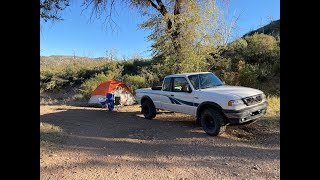
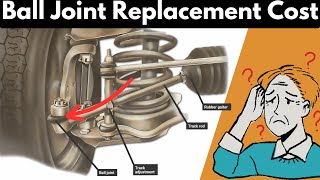
Technical Specifications
Vehicle requires one upper and one lower ball joint per side. Upper ball joints are often integrated into the control arm. Lower ball joints are press-fit. Designs differ between 2WD (coil spring) and 4WD (torsion bar) suspension setups.
We Have This Part in Stock
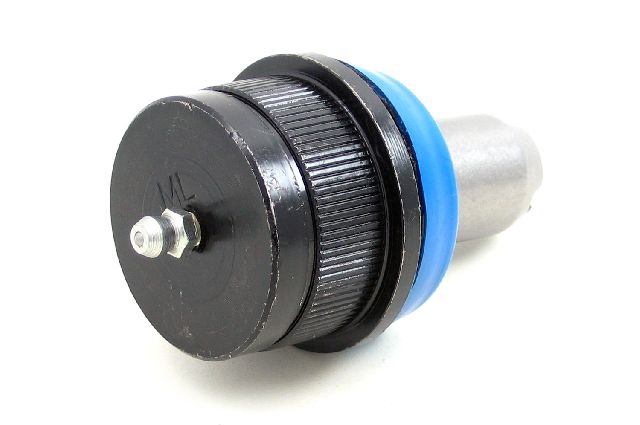
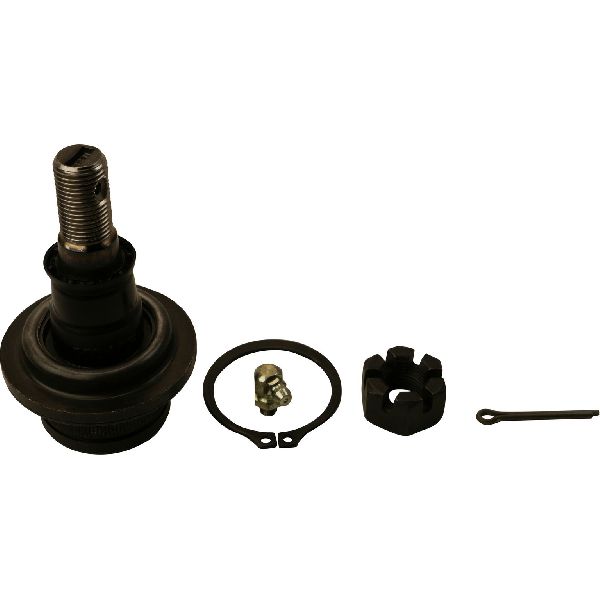

The information in this article is provided for general reference and educational purposes only. Vehicle specifications, procedures, and part compatibility can vary by production date, trim level, and region. Always consult your vehicle's factory service manual and verify part numbers before purchasing or performing repairs. Safety-critical components such as airbags, seat belts, and braking systems should be installed by a qualified professional.
- Mazda B4000: