

Choosing the Right Brake Pads for Your 1994-2006 Ford Mustang
Don't settle for just any brake pads; find the perfect match for your V6, GT, or Cobra.
- You must verify your Mustang's exact submodel (V6, GT, Cobra) before ordering, as brake pads are not interchangeable across all models.
- Choose your brake pad material based on your driving style; quiet, low-dust ceramics for daily driving or aggressive, higher-dust semi-metallics for performance.
- Performance pads from brands like Hawk and EBC offer significantly more stopping power but come with the trade-off of increased dust and potential noise.
- For best results and safety, it is always recommended to replace your brake rotors at the same time as your brake pads.
Signs Your Mustang's Brake Pads Are Worn
Your Mustang will give you clear signals when it's time for new brake pads. Ignoring them can lead to more expensive repairs, like replacing the rotors.
- Squealing or Screeching: Most brake pads have a small metal wear indicator. When the pads get thin, this indicator scrapes against the rotor and makes a high-pitched noise, telling you it's time for a change.
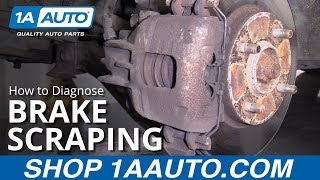
- Grinding Noises: If you hear a deep, metal-on-metal grinding sound, it means your pads are completely worn away. This is a serious issue that damages your rotors and significantly reduces stopping power. 🎬 Watch: How to diagnose grinding and vibrating brake noises.
- Longer Stopping Distances: If you notice your car takes longer to stop than it used to, your brake pads are likely worn out and can't create enough friction.
- Vehicle Pulling to One Side: When your Mustang pulls to the left or right during braking, it can indicate uneven pad wear or a problem with a brake caliper.
- Spongy or Soft Brake Pedal: A brake pedal that feels soft or goes further to the floor than usual can point to worn pads or issues in the hydraulic system.
A Critical Ordering Mistake to Avoid
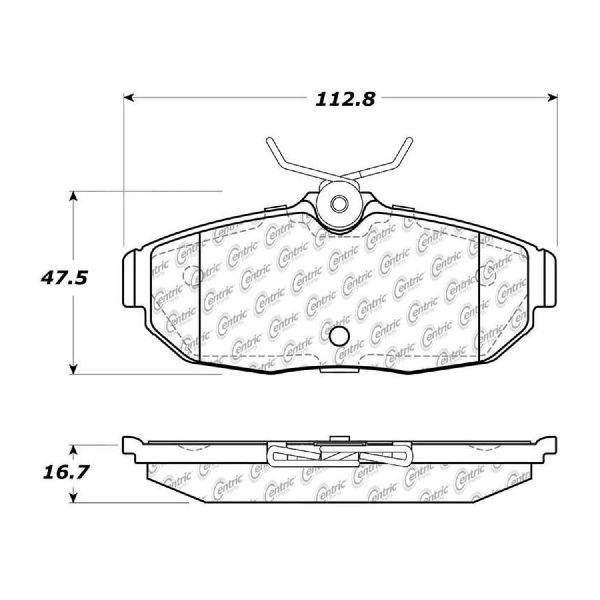
The 1994-2006 Mustang has several submodels (V6, GT, Bullitt, Mach 1, Cobra) with different brake systems. Front pads for a V6 are not the same as for a GT or Cobra. Rear pads can also differ; for example, Cobra models often have thicker, vented rear rotors which require a thinner brake pad than the one used on a GT. Always verify your exact submodel before ordering to ensure you get the correct parts. Many aftermarket brands simplify their inventory by selling the thinner Cobra-spec rear pad for all models, which will work on a GT but is something to be aware of.
Choosing the Right Aftermarket Brake Pads
Not all brake pads are created equal. The best choice for your Mustang depends on your driving style and budget. Aftermarket pads often offer better performance or lower dust than the original factory pads.
Tier 1: Economy & Daily Driver
These pads are designed for typical street use. They are affordable, quiet, and produce minimal dust, making them a great choice for a daily driven Mustang that doesn't see aggressive driving.
- Brands: Dynamic Friction, Pronto, Centric (Standard), Wagner Brakes, Raybestos (Service Grade)
- Best for: Commuting, general-purpose driving.
Tier 2: Premium Daily & OEM-Equivalent
This tier offers a balance of performance, low noise, and reasonable dust levels. They are a solid upgrade over basic pads and are comparable to or better than the original Motorcraft pads.
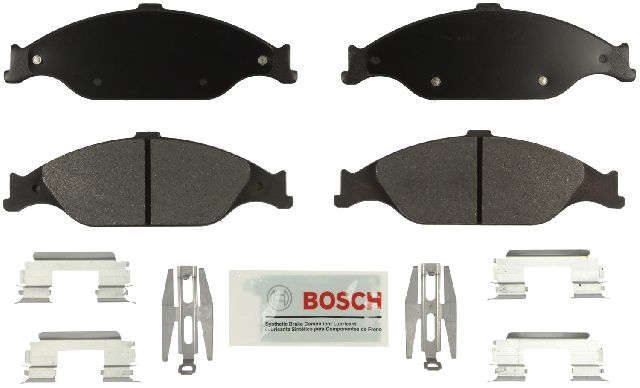
- Brands: Motorcraft, Akebono, Bosch, Raybestos (Element3), Centric (P-TEK), PowerStop Z23
- Best for: A quiet, clean, and confident factory-like feel.
Tier 3: Performance Street
For the owner who enjoys spirited driving, these pads offer a significant increase in stopping power and fade resistance. The trade-off is typically more brake dust and a higher chance of noise, especially when cold.
- Brands: Hawk Performance (HPS, HPS 5.0), EBC Brakes (Redstuff), StopTech (Sport), PowerStop Z26
- Best for: Spirited canyon carving and aggressive street use. Many owners find Hawk HPS pads to be a great all-around performance upgrade.
Tier 4: Street/Track & Autocross
These pads are designed for drivers who take their Mustang to the track or autocross events but still drive it on the street. They have a very high heat tolerance but can be noisy and dusty and may have a weak "bite" when cold.
- Brands: Hawk Performance (HP Plus), EBC Brakes (Yellowstuff), Ferodo (DS2500), G-Loc/Carbotech
- Best for: Dual-purpose cars that see regular track time. Be warned, some of these pads can be very loud on the street.
What about Ceramic vs. Semi-Metallic?
Ceramic pads are known for being quiet, low-dust, and gentle on rotors. They are ideal for daily driving and light performance use. Semi-metallic pads contain metal fibers that help dissipate heat and provide more aggressive stopping power. They are better for performance and track use but are generally noisier, create more dust, and cause more rotor wear.
Cost of New Disc Brake Pad Sets for 1994-2006 Ford Mustang
| Brake Pad Tier | Estimated Price Range (Front or Rear Set) |
|---|---|
| Economy / Daily Driver | $23 - $50 |
| Premium Daily / OEM-Equivalent | $45 - $85 |
| Performance Street | $70 - $150 |
| Street/Track & Autocross | $120 - $325+ |
Frequently Asked Questions
Do I need to replace my rotors with my brake pads?
It is highly recommended. While some say you can change rotors every other pad change, installing new pads on worn or grooved rotors will reduce their effectiveness and lifespan. For best performance, always replace pads and rotors together.
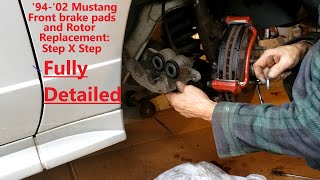
🎬 See this walkthrough for replacing front pads and rotors.What is "brake pad bedding" and is it necessary?
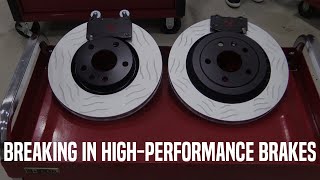
Bedding-in is the process of transferring a thin, even layer of friction material from the new pads onto the rotor surface. This ensures smooth, quiet, and powerful braking. Performance pads especially require a proper bedding procedure to work correctly. Follow the manufacturer's specific instructions for the best results.
🎬 Watch: How to properly bed in performance brake pads.Why are my new performance brakes so dusty and noisy?
High-performance and track-oriented brake pads are made from aggressive compounds that create more friction. This friction comes at the cost of producing more dust and noise compared to standard street pads. It's a normal trade-off for superior stopping power.
Are there any recalls for 1994-2006 Mustang brakes?
Searches for the 1994-2006 model years revealed a recall (05S28) related to a leaking speed control deactivation switch, which could cause brake fluid contamination and a potential fire risk, but not directly related to the brake pads themselves. More recent Mustang models have had recalls for brake-related issues, but none were found to be active for this specific generation and part. Always check the NHTSA website with your VIN for the most up-to-date information.
Helpful Videos
Technical Specifications
OEM Part Numbers: 2R3Z-2001-AA F4ZZ-2001-A XR3Z-2001-AA F6ZZ-2200-A XR3Z-2200-AA
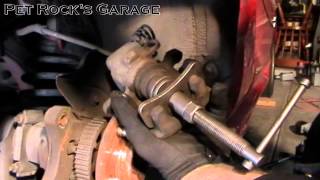
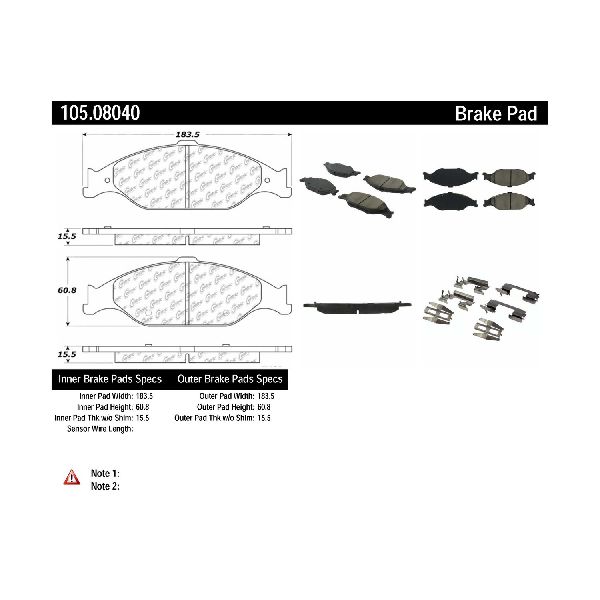
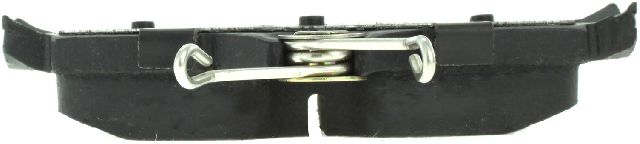
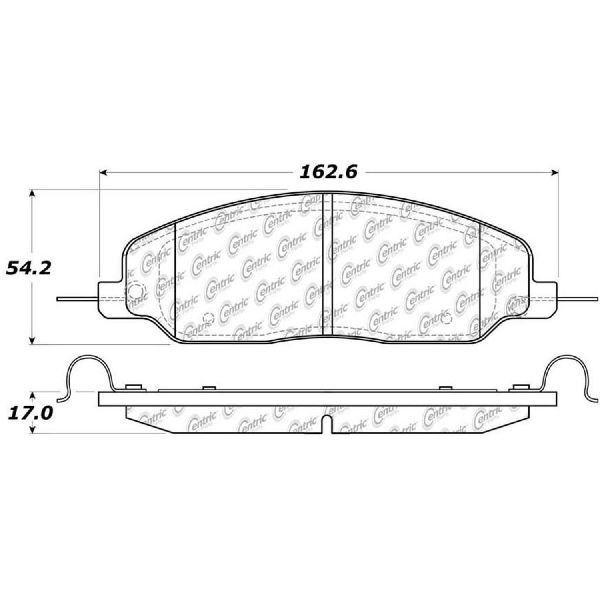
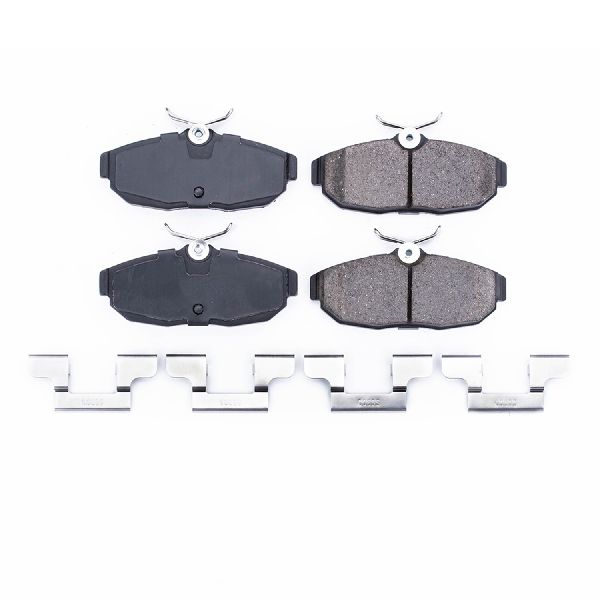
Brake pad fitment varies significantly between V6, GT, and Cobra models from 1994-2006. Front brakes are typically dual-piston calipers. Rear calipers on 1994-2004 models require a special tool to retract the piston, which screws back in. Cobra models feature larger rotors and require different pads or brackets than GT/V6 models.
We Have This Part in Stock

The information in this article is provided for general reference and educational purposes only. Vehicle specifications, procedures, and part compatibility can vary by production date, trim level, and region. Always consult your vehicle's factory service manual and verify part numbers before purchasing or performing repairs. Safety-critical components such as airbags, seat belts, and braking systems should be installed by a qualified professional.
- Ford Mustang:
- 🎬 Helpful Videos
- 🛍️ Shop This Part
- Signs Your Mustang's Brake Pads Are Worn
- A Critical Ordering Mistake to Avoid
- Choosing the Right Aftermarket Brake Pads
- Tier 1: Economy & Daily Driver
- Tier 2: Premium Daily & OEM-Equivalent
- Tier 3: Performance Street
- Tier 4: Street/Track & Autocross
- What about Ceramic vs. Semi-Metallic?
- Cost of New Disc Brake Pad Sets for 1994-2006 Ford Mustang
- Frequently Asked Questions
- 🎟️ Get 5% Off