

Choosing the Right Spark Plugs for the 1994-2006 Yamaha SJ700 Super Jet
Keep your Super Jet's two-stroke engine running strong with the correct spark plugs.
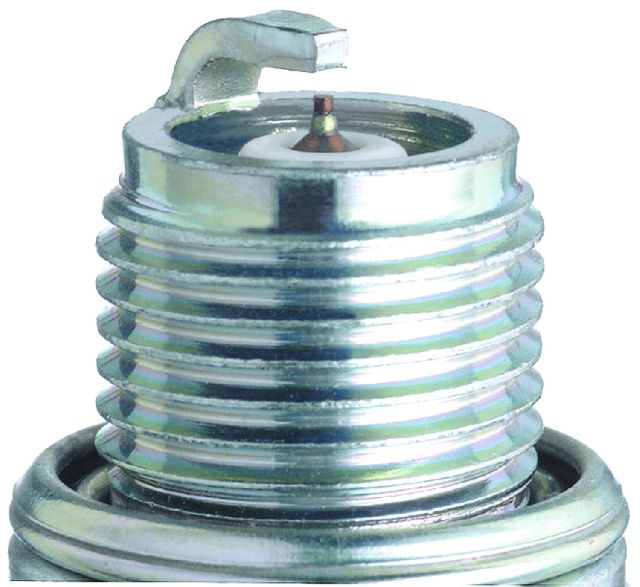
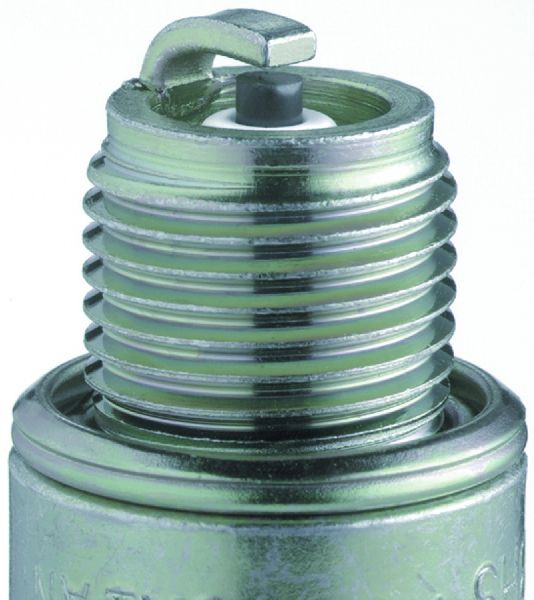
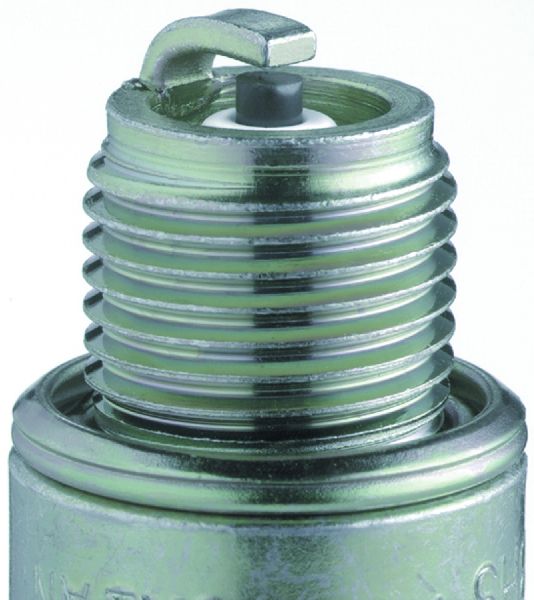
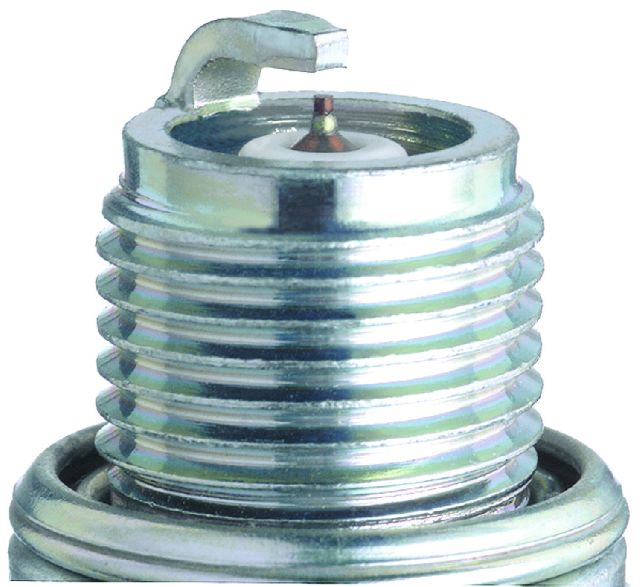
- NGK is the original equipment brand and the most recommended choice; B7HS and BR7HS are the standard plugs for a stock engine.
- Spark plug fouling is a common issue on two-stroke engines; always carry a spare set and a plug wrench when you ride.
- A 'no-spark' condition is frequently caused by a corroded start/stop switch, not bad spark plugs.
- Always install plugs on a cold engine and use anti-seize on the threads to prevent them from getting stuck.
Signs of a Failing Spark Plug
Because of the oil-mixed fuel used in the SJ700's two-stroke engine, spark plugs are a regular maintenance item and are prone to 'fouling'. A fouled or worn-out spark plug can cause a range of noticeable issues. You might find your Super Jet is hard to start, especially when cold. Other symptoms include the engine misfiring, sputtering, or running rough, particularly at idle. A significant loss of power and acceleration is also a clear sign that your spark plugs may need replacement. Since there are only two cylinders, a single bad plug can cut your engine's power in half.
Warning: Check This Before Replacing Plugs!
A very common issue on the Yamaha Super Jet that mimics a spark plug failure is a faulty engine start/stop switch. Corrosion inside the switch assembly can prevent the ignition system from creating a spark, even with brand new plugs. If your engine cranks but has no spark at all, test or bypass the switch before spending money on other ignition parts.
Choosing the Right Aftermarket Spark Plug
When shopping for new spark plugs for your SJ700, you have several good options. The key is choosing the correct plug for your specific year and any engine modifications.
Brand Recommendations
Tier 1: OEM-Recommended (NGK)
NGK is the original equipment (OEM) supplier for Yamaha and is the most recommended brand by mechanics and experienced riders. For a stock or lightly modified SJ700, the standard NGK B7HS or BR7HS is the go-to choice. The 'R' in BR7HS stands for resistor, which helps prevent radio frequency interference. Many owners use them interchangeably. These plugs provide reliable performance and are very affordable.
Tier 2: High-Quality Alternative (Denso)
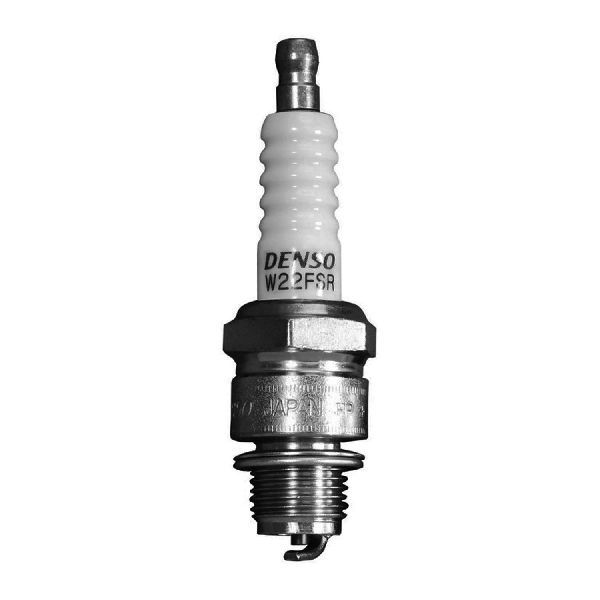
Denso is another top-tier Japanese brand known for making high-quality spark plugs that are often compared directly with NGK. While less common in the PWC community, they are a solid choice if NGK is unavailable. Ensure you cross-reference the part number to match the heat range and size of the stock NGK plug.
Tier 3: Value Option (Champion)
Champion plugs are widely available and can be a budget-friendly option. However, for Japanese powersport engines like the one in the Super Jet, most owners prefer to stick with NGK or Denso for the best compatibility and performance.
Pro Tip: Carry Spares
Two-stroke engines are known for fouling plugs, especially with long periods of idling. It is a common practice for Super Jet owners to keep a set of fresh, pre-gapped spark plugs and a plug wrench in a waterproof bag on board. Changing plugs on the water is quick and can save you from a long tow back to shore.
Installation Tips
Replacing spark plugs on the SJ700 is a simple task. Always work on a cold engine to prevent damage to the aluminum cylinder head threads. Remove the spark plug wire by pulling on the boot, not the wire itself. Use a spark plug socket to remove the old plug. Before installing the new plug, check the gap with a feeler gauge (typically 0.6mm-0.7mm for this model) and apply a small amount of anti-seize compound to the threads to make future removal easier. Thread the new plug in by hand to avoid cross-threading, then tighten it snugly with a wrench.
Cost of New Spark Plugs for Yamaha SJ700 Super Jet (1994-2006)
| Part Type | Price Range (Per Plug) |
|---|---|
| Aftermarket Standard Spark Plug (e.g., NGK B7HS) | $3.48 - $8.00 |
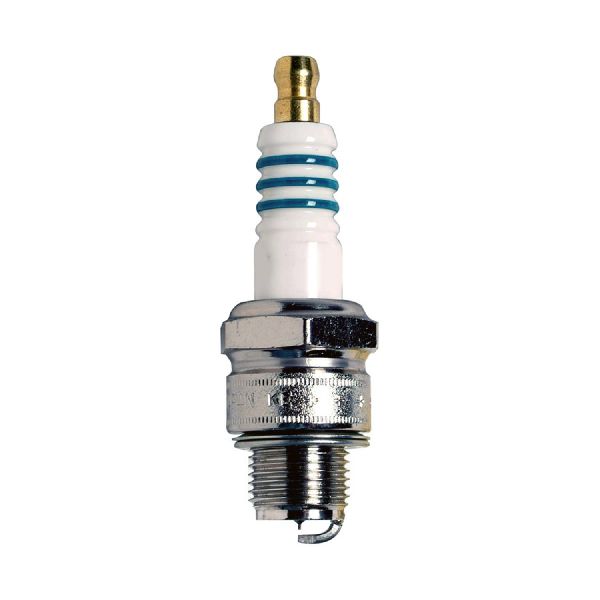
| Aftermarket Iridium Spark Plug (e.g., NGK Iridium IX) | $9.00 - $17.05 |
| OEM Yamaha-Branded Spark Plug | $5.00 - $12.00 |
Frequently Asked Questions
How often should I change the spark plugs on my Super Jet?
For a two-stroke PWC, it's good practice to inspect and clean your plugs regularly and replace them at the beginning of each riding season or every 50 hours of use, whichever comes first. Given their low cost, replacing them is cheap insurance against being stranded.
What is the difference between a B7HS and a BR7HS spark plug?
The 'R' in BR7HS indicates that it is a resistor-type spark plug. Resistor plugs are designed to reduce electromagnetic interference that can affect radios and other electronics. For the SJ700's ignition system, either plug will work fine, and many owners use them without noticing a difference. The BR7HS is generally the recommended plug for later models.
What does it mean to 'foul' a spark plug?
Fouling occurs when oil, carbon, or fuel deposits build up on the insulator and electrodes of the spark plug. This buildup can create a path for the electrical energy to leak away instead of jumping the gap, resulting in a weak spark or no spark at all. This is a common occurrence in two-stroke engines.
Do I need to gap a new spark plug?
Yes, you should always check the gap before installation. While most plugs come pre-gapped from the factory, the gap can be knocked out of spec during shipping. The correct gap for the SJ700 is typically between 0.024" and 0.028" (0.6mm - 0.7mm), but you should confirm the exact spec for your year.
Technical Specifications
OEM Part Numbers: 94702-00217 94703-00040 90793-20007
Recommended Plugs: NGK B7HS, NGK BR7HS Thread Diameter: 14mm Thread Reach: 12.7mm (1/2") Wrench Size: 20.8mm (13/16") Gap: 0.024"-0.028" (0.6mm-0.7mm)
We Have This Part in Stock

The information in this article is provided for general reference and educational purposes only. Vehicle specifications, procedures, and part compatibility can vary by production date, trim level, and region. Always consult your vehicle's factory service manual and verify part numbers before purchasing or performing repairs. Safety-critical components such as airbags, seat belts, and braking systems should be installed by a qualified professional.
- Yamaha SJ700 Super Jet: