

Replacing Disc Brake Rotors on Your 1994-2007 Mazda B3000
Stop brake pulsation and vibration by choosing the right replacement rotors for your truck.
- You MUST first identify if your B3000 has one-piece hub/rotor assemblies or separate slide-on rotors before ordering parts.
- The most common failure is rotor warping, which causes a pulsation in the brake pedal; choosing a quality coated aftermarket rotor helps prevent this.
- For most owners, a premium coated rotor from a brand like Dynamic Friction or Powerstop offers the best balance of performance and longevity.
- Always replace brake pads and rotors together as a set for both front wheels to ensure safety and proper performance.
Is Your B3000 Showing Signs of Bad Brake Rotors?
Your truck will give you clear signs when the front brake rotors need attention. The most common issue for the 1994-2007 Mazda B3000 and its twin, the Ford Ranger, is rotor warping. This isn't a true "warp" but rather an unevenness in the rotor's thickness, called Disc Thickness Variation (DTV). This causes the brake pads to lose consistent contact with the rotor surface. Don't ignore these symptoms, as they can lead to longer stopping distances.
- Vibration or Pulsing: A shaky feeling in the steering wheel or a pulsation you feel in the brake pedal during braking is the number one sign of an uneven rotor.
- Grinding or Squealing Noises: A harsh grinding sound means your brake pads are likely worn completely away, and the metal backing plate is destroying your rotor. High-pitched squealing usually points to worn pads, which should always be replaced along with the rotors.
- Visible Damage: Look at the rotor's surface. Deep grooves, scoring, or a large lip on the outer edge are all signs that replacement is needed.
Critical Fitment Note: Hub Assembly vs. Slide-On Rotor
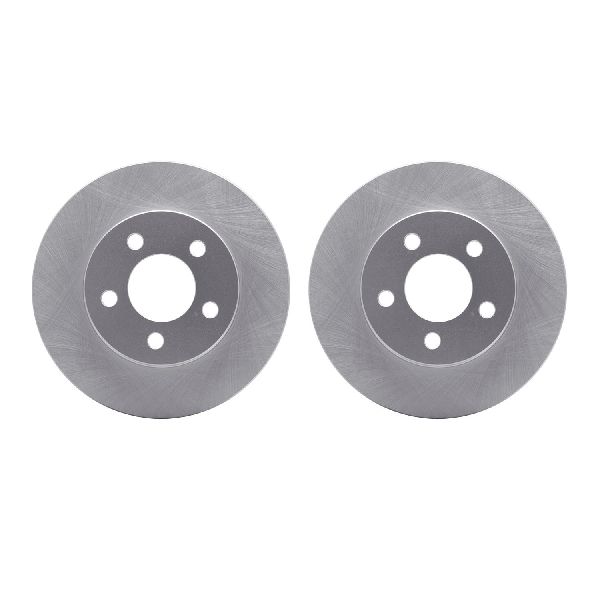
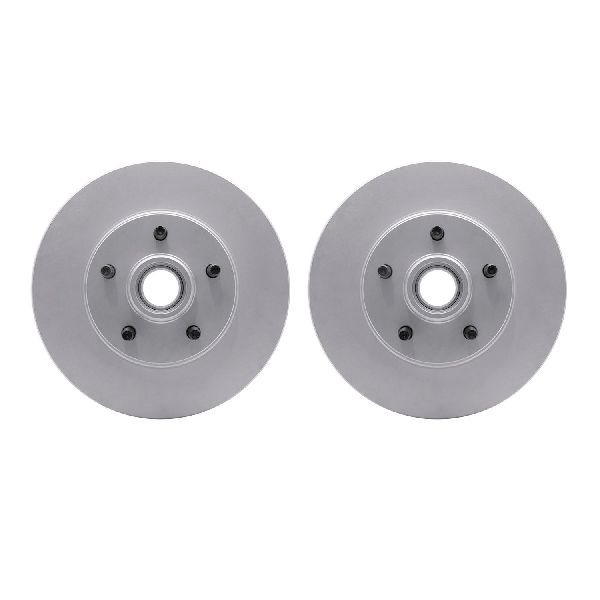
Before you buy any parts, you MUST identify which type of front rotor your B3000 has. This is the most common and costly ordering mistake. The 1994-2007 generation used two different designs, and the switchover was not on a hard date, with 2WD and 4WD models often differing.
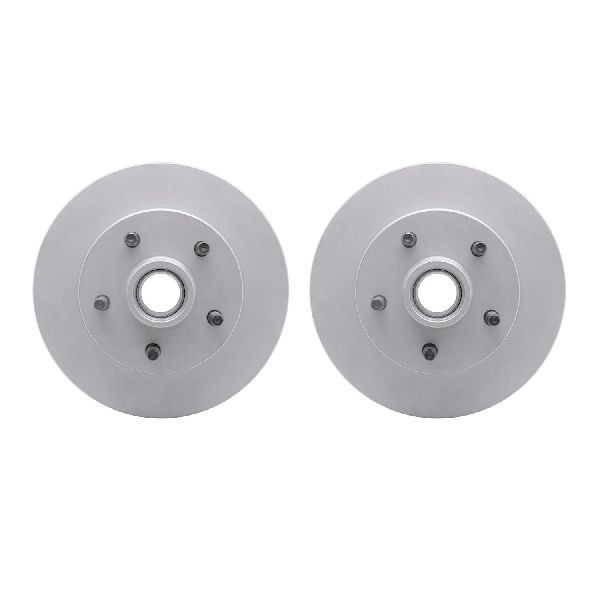
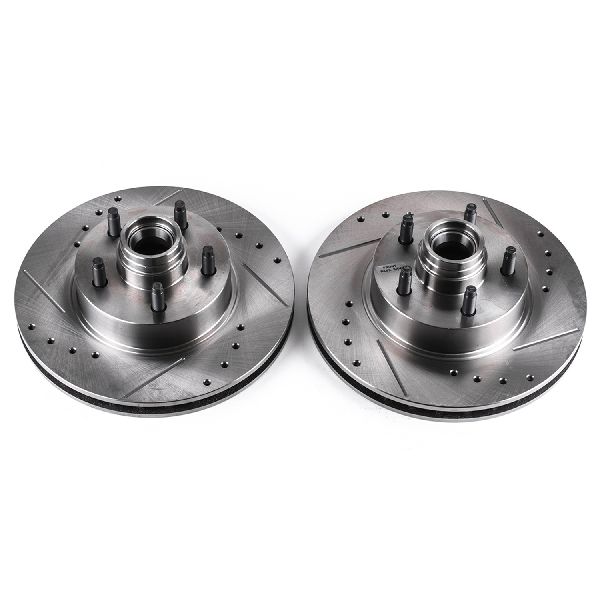
- Hub-and-Rotor Assembly: Many earlier models (roughly 1994-1997) and many 4WD models use a single-piece design where the rotor and wheel hub are integrated. Replacing these is more complex as it requires removing and servicing the wheel bearings.
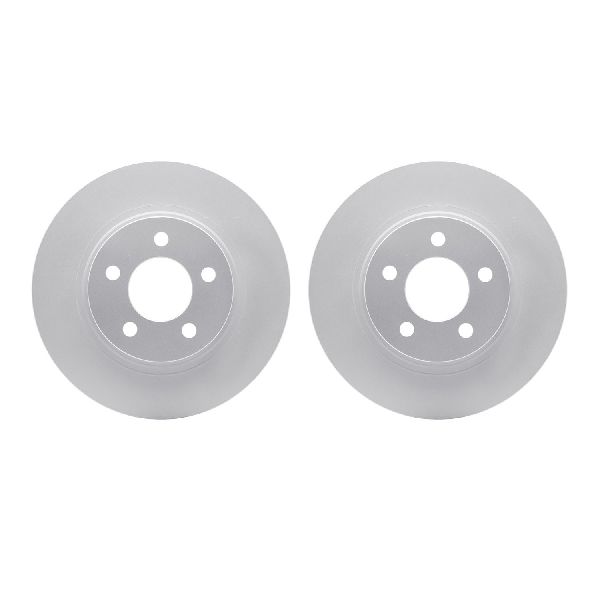
- Slide-On Rotor: Many later models (roughly 1998-2007), especially 2WD versions, use a separate rotor that simply slides over the wheel studs on the hub. This is a much simpler replacement job.
Visually inspect your front wheels or consult a reliable service manual to confirm which type you have before ordering.
Choosing the Right Aftermarket Rotor Brand
For a truck of this age, you don't need to spend a fortune on original Mazda parts. High-quality aftermarket brands often provide better features, like superior rust protection, for a lower price. The key is to choose a quality part to avoid the common warping issues that plagued these trucks.
Tier 1: Daily Driver (Good)
These brands are excellent OE-quality replacements suitable for normal daily use. They provide safe, reliable stopping power without a high price tag.
- Dynamic Friction (DFC 3000): DFC's standard ceramic pads and matching rotors are designed for passenger vehicles and light-duty trucks, offering low dust and fade resistance. They are a solid choice for everyday driving.
Tier 2: Daily Driver & Light Towing (Better)
These brands are consistently recommended by B3000 and Ranger owners for their quality and durability. They often feature anti-rust coatings, which are highly recommended if you live in a wet or snowy climate.
- Powerstop (OE Replacement): Known for complete kits, their standard replacement options offer a great balance of performance and value. They are engineered for quiet performance and easy installation.
- Dynamic Friction (High Carbon): DFC offers rotors made from high-carbon steel, which is more durable and similar to what OEM manufacturers use. This is a step up in quality and longevity.
Tier 3: Heavy Towing / Performance (Best)
If you frequently tow heavy loads or want the most robust braking setup, these kits are designed for higher heat and stress.
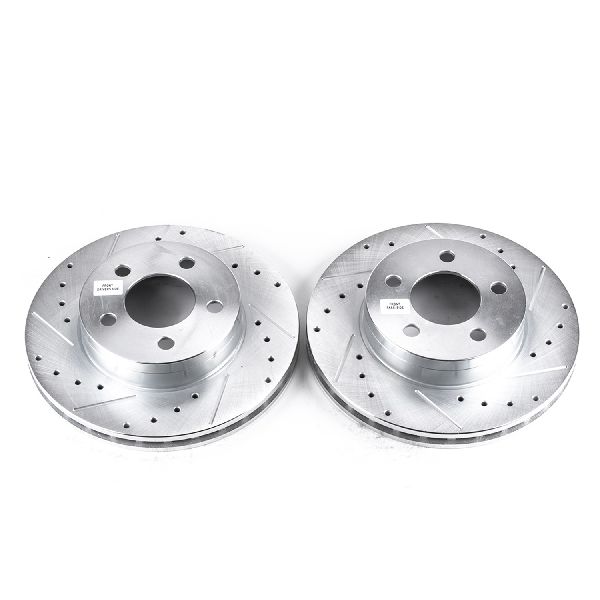
- Powerstop (Z36 Truck & Tow): This is one of Powerstop's most popular kits. It typically includes drilled and slotted rotors and carbon-fiber ceramic pads designed for severe duty and better heat dissipation. While effective, they can be overkill for a standard daily-driven B3000.
- Dynamic Friction (Heavy Duty): DFC offers semi-metallic pads and rotors designed for heavy vehicles and frequent braking scenarios, offering consistent performance under heavy loads.
Pro Tip: For most B3000 owners, a quality coated, blank-face rotor from Powerstop's OE line or Dynamic Friction's high-carbon line offers the best combination of performance, longevity, and value. Drilled or slotted rotors are generally unnecessary for this truck unless you are doing very heavy towing in mountainous areas.
Known Issues, Recalls, and TSBs
There are no active recalls from the NHTSA specifically for the disc brake rotors on the 1994-2007 Mazda B3000. However, there are related items to be aware of:
- Brake Vibration TSBs: Ford, the original manufacturer, issued Technical Service Bulletins (TSBs) for the sister model Ford Ranger related to brake vibration, acknowledging that rotor warping was a known problem. Choosing a quality, heavy-duty aftermarket rotor can help prevent this from happening again.
- Brake Booster Recall (1994 models): A critical safety recall (NHTSA #96V024002) was issued for 1994 B-series trucks. The studs mounting the master cylinder to the brake booster could fracture, potentially causing the service brakes to fail. While this is not a rotor issue, it's a crucial safety check for any 1994 owner.
Cost of New Aftermarket Disc Brake Rotors (1994-2007 Mazda B3000)
| Part Type | Price Range (Per Set of 2) |
|---|---|
| New Aftermarket Rotors (Standard) | $80 - $150 |
| New Aftermarket Rotors (Coated/High-Carbon) | $120 - $220 |
| New Aftermarket Rotor & Pad Kits | $115 - $350+ |
| Shop Labor for Installation | $150 - $300 |
*Prices are estimates and can vary based on brand, location, and whether you have hub/rotor assemblies or slide-on rotors. Labor for hub/rotor assemblies will be on the higher end.
Frequently Asked Questions
Should I replace my brake pads at the same time as my rotors?
Yes, absolutely. You should always replace brake pads and rotors together. Installing new pads on old, worn rotors will cause uneven wear and reduce braking performance. Likewise, old pads on new rotors can damage the rotor surface. Most quality brands like Powerstop and Dynamic Friction design their pads and rotors to work together as a system.
Are Mazda B3000 and Ford Ranger brake rotors the same?
Yes. The 1994-2007 Mazda B3000 is mechanically identical to the Ford Ranger of the same year and engine size. Brake rotors and other parts are interchangeable, which makes finding parts much easier.
Can I have my old rotors resurfaced or machined?
While resurfacing (machining) rotors on a brake lathe was once common, it is rarely the best option today. For a vehicle like the B3000, the cost of new aftermarket rotors is often equal to or only slightly more than the labor cost to machine the old ones. Machining also removes material, making the rotor thinner and more likely to warp again quickly. Replacement is the recommended and more reliable repair.
Do I need special tools to replace my B3000 rotors?
For a slide-on rotor, you'll need standard mechanic's tools like a socket set, a C-clamp to compress the caliper piston, and a torque wrench. If you have the one-piece hub-and-rotor assembly, the job is more involved and requires tools for servicing wheel bearings, such as a spindle nut socket, bearing packer, and a seal driver. Due to the complexity, many DIY mechanics with hub assemblies choose to buy a complete pre-assembled hub.
Technical Specifications
Varies significantly based on year and 2WD/4WD configuration. Key differences are between one-piece hub/rotor assemblies and two-piece slide-on rotors. Visual confirmation is required before purchase.
We Have This Part in Stock

The information in this article is provided for general reference and educational purposes only. Vehicle specifications, procedures, and part compatibility can vary by production date, trim level, and region. Always consult your vehicle's factory service manual and verify part numbers before purchasing or performing repairs. Safety-critical components such as airbags, seat belts, and braking systems should be installed by a qualified professional.
- Mazda B3000:
- 🛍️ Shop This Part
- Is Your B3000 Showing Signs of Bad Brake Rotors?
- Critical Fitment Note: Hub Assembly vs. Slide-On Rotor
- Choosing the Right Aftermarket Rotor Brand
- Tier 1: Daily Driver (Good)
- Tier 2: Daily Driver & Light Towing (Better)
- Tier 3: Heavy Towing / Performance (Best)
- Known Issues, Recalls, and TSBs
- Cost of New Aftermarket Disc Brake Rotors (1994-2007 Mazda B3000)
- Frequently Asked Questions
- 🎟️ Get 5% Off