

Accessory Drive Belt Guide for the 1994-2008 Mazda B3000
Keep your B3000's essential systems running by choosing the right replacement serpentine belt.
- The 1994-2008 Mazda B3000 is a rebadged Ford Ranger, making Motorcraft the OEM belt brand and a top choice for replacement.
- Squealing noises are the first and most common sign of a failing belt; do not ignore them.
- For maximum reliability, always inspect and consider replacing the belt tensioner and idler pulley when you replace the belt.
- A broken belt will cause an immediate loss of power steering, battery charging, and engine cooling, making the truck undrivable.
Understanding the Accessory Drive Belt on Your B3000
The accessory drive belt is critical for your truck's operation. It's a long, ribbed rubber belt that snakes around several pulleys to power key systems directly from the engine. Over time, the rubber can crack, stretch, and wear out, leading to performance issues or a sudden breakdown. Regular inspection, typically during an oil change, is the best way to catch wear before the belt fails. Since the B3000 shares its platform and 3.0L V6 engine with the Ford Ranger, parts and repair knowledge are widely available and interchangeable.
Signs of a Failing Accessory Drive Belt
Your truck will usually give you clear warning signs that the accessory drive belt needs attention. Ignoring them can leave you stranded.
- Squealing or Chirping Noises: This is the most common symptom. A high-pitched squeal, especially on startup or when the A/C is on, means the belt is slipping. This can be due to wear, low tension, or fluid contamination.
- Visible Damage: A visual check can reveal a lot. Look for cracks, fraying, missing ribs, or a glazed, shiny appearance on the belt's surface.
- Accessory System Problems: If the belt is slipping badly, you may notice dimming headlights (alternator not charging), difficulty steering (power steering pump failing), or your engine temperature rising (water pump not circulating coolant).
- Rattling or Grinding Noises: While the belt itself squeals, grinding or rattling noises often point to a failing belt tensioner or idler pulley bearing. If a pulley seizes, it will destroy the belt and cause it to break.
Pro Tip: Diagnosing Belt Noise
To quickly check if the noise is from the belt itself, carefully spray a small amount of water on the ribbed side of the belt while the engine is running. If the noise disappears for a few seconds, the issue is likely the belt's condition or a pulley misalignment. If the noise is a grinding or rattling sound, the problem is more likely a bad bearing in the tensioner or idler pulley.
Choosing the Right Aftermarket Belt
For the Mazda B3000, several quality aftermarket brands are available. Since this truck is based on a domestic Ford platform, brand choice can be different than for other Mazda vehicles.
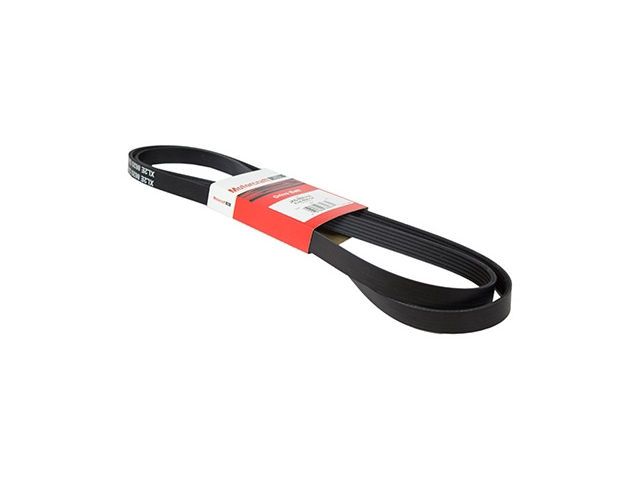
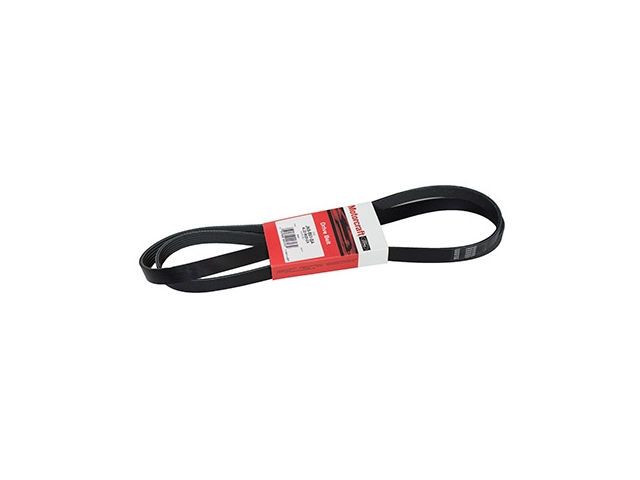
- OEM-Equivalent (Motorcraft): Because the B3000 is a Ford Ranger clone, Motorcraft is the Original Equipment (OE) brand. Choosing a Motorcraft belt guarantees a perfect fit and factory-grade materials designed for longevity. While sometimes more expensive, it's the safest and most reliable option.
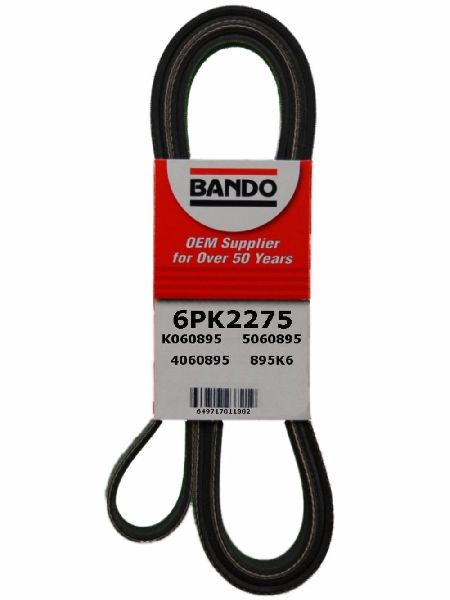
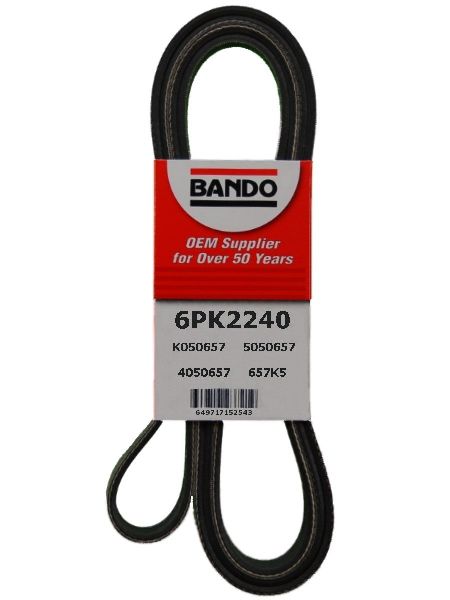
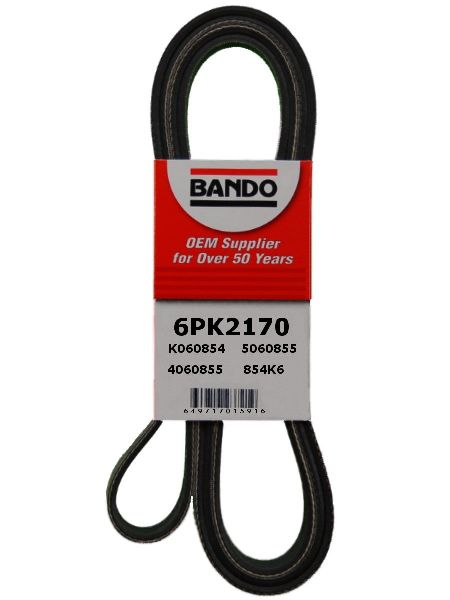
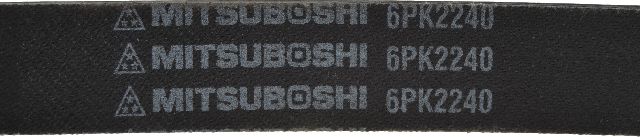
- Premium Aftermarket (Bando, Mitsuboshi): Bando and Mitsuboshi are major OEM suppliers for many Japanese automakers and are known for high-quality rubber compounds. They are excellent alternatives to Motorcraft and are often praised in forums for their durability.
- Professional-Grade Aftermarket (ACDelco): ACDelco is a well-respected brand offering reliable parts. Their "Professional" or "Gold" series belts are a solid choice, offering good performance and durability. They are a dependable option widely available at most part stores.
Important Note on Replacement
When replacing the accessory drive belt, it is highly recommended to also inspect the belt tensioner and idler pulley. These components wear out and are a common source of noise and belt failure. Replacing them at the same time as the belt is cost-effective and prevents having to do the same job twice.
Estimated Replacement Costs
| Part | Estimated Cost |
|---|---|
| New Aftermarket Accessory Drive Belt | $37.47 - $73.71 |
| New OEM (Motorcraft) Accessory Drive Belt | $40 - $85 |
| Shop Labor | $88 - $130 |
| Total Estimated Cost (Aftermarket Part + Labor) | $125 - $204 |
Frequently Asked Questions (FAQ)
Are there any recalls for the Mazda B3000 accessory drive belt?
No, there are no specific recalls or technical service bulletins (TSBs) from the NHTSA or Mazda for the accessory drive belt itself on the 1994-2008 B3000. Failures are typically considered normal wear and tear. Major recalls for this truck do exist for Takata airbags, which are a critical safety issue that should be addressed.
Should I replace the belt tensioner and idler pulley with the belt?
Yes, it is highly recommended. The tensioner spring weakens over time, and the pulley bearings wear out, causing noise and improper belt tension. Since you already have the belt off, replacing these components at the same time is a smart preventative measure that saves you from a potential future breakdown.
What's the difference between an accessory belt and a serpentine belt?
For the Mazda B3000, these terms mean the same thing. Modern vehicles use a single "serpentine" belt to run all the accessories, so it's also called the "accessory drive belt."
How difficult is it to replace the B3000's accessory drive belt?
This is a relatively easy DIY job for someone with basic tools. The main step is using a breaker bar or serpentine belt tool to release the tension from the belt tensioner, allowing you to slip the old belt off and route the new one. The entire process typically takes less than an hour.
Technical Specifications
OEM Part Numbers: F4TZ-8620-F F77Z-8620-DA JK6-882 JK6-858-A
6-rib, EPDM rubber construction. Length varies by year and options (with or without A/C). Common lengths are around 85 to 88 inches.
We Have This Part in Stock

The information in this article is provided for general reference and educational purposes only. Vehicle specifications, procedures, and part compatibility can vary by production date, trim level, and region. Always consult your vehicle's factory service manual and verify part numbers before purchasing or performing repairs. Safety-critical components such as airbags, seat belts, and braking systems should be installed by a qualified professional.
- Mazda B3000: