

Replacing the Rear Brake Drums on Your 1994-2008 Mazda B3000
Here is what you need to know before buying new aftermarket rear brake drums for your truck.
- You must verify if your truck has 9-inch or 10-inch rear drums before ordering parts.
- It is highly recommended to replace brake shoes, all hardware springs, and wheel cylinders at the same time as the drums.
- For certain 1994 models, check for open recalls related to the parking brake and brake booster, as these can be serious safety issues.
- Aftermarket brands like Powerstop, Centric, and Raybestos are popular choices, but it's wise to opt for coated or premium lines for better longevity.
Symptoms of a Worn Mazda B3000 Brake Drum
When your brake drums are worn, your truck will give you warning signs. It's important to pay attention to these signs to keep your brakes working safely.
- Scraping or Grinding Noise: A loud scraping or grinding sound from the rear of the truck when you brake is a common symptom. This often means the brake shoes are completely worn and metal is grinding against the drum.
- Pulsating Brake Pedal: If you feel the brake pedal vibrate or pulse when you press it, the drum may be "out-of-round." This means it's no longer perfectly circular, causing uneven braking.
- Poor Parking Brake Performance: The parking brake on your B3000 uses the rear brake shoes and drums. If the parking brake doesn't hold the truck securely, it could be a sign of worn drums or other related issues.
- Loud Bang or Click: Sometimes a loud noise when you first apply the brakes can be caused by worn-out hardware inside the drum, allowing the shoes to shift improperly.
Important: Check Your Drum Size
The Mazda B3000 was built with two different rear brake drum sizes: 9-inch and 10-inch. Before ordering, you must confirm the size on your truck. This can sometimes be determined by your truck's specific sub-model or by measuring the old drum after removal. Ordering the wrong size is the most common mistake.
Known Issues, Recalls, and TSBs
While there are no major recalls specifically for the brake drums themselves, there are related safety notices for certain years. The Mazda B3000 is mechanically identical to the Ford Ranger, so they share the same issues.
- NHTSA Recall 94V-169002: Affects some 1994 B3000 models. This recall was for an ineffective parking brake system that could fail to hold the vehicle.
- NHTSA Recall 96V-024: Affects 1994 B3000 models. This critical recall addresses studs on the brake booster that could fracture, potentially leading to the master cylinder separating from the booster and causing brake failure.
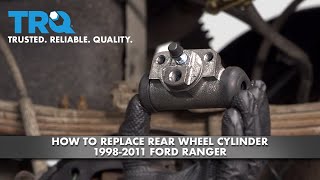
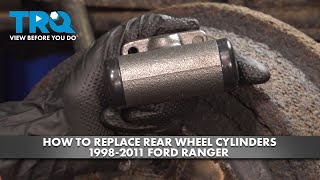
- Leaking Wheel Cylinders: A very common problem is for the rear wheel cylinders to leak brake fluid. This fluid contaminates the brake shoes and reduces braking ability. It's highly recommended to replace the wheel cylinders whenever you replace your drums and shoes. 🎬 See how to replace a leaking rear wheel cylinder.
Choosing the Right Aftermarket Brake Drum
Aftermarket parts offer a good balance of price and quality, often meeting or exceeding original factory specifications. For a truck like the B3000, OEM parts are less common and not necessary for great performance. Here’s a breakdown of available brands.
Brand Tiers
- Premium Aftermarket (Powerstop, Brembo, Bendix): Brands like Powerstop are well-regarded for offering complete kits that include new shoes and hardware. They often feature a protective coating to prevent rust. These are a great choice if you want a complete, high-quality solution.
- Standard Aftermarket (Centric, Raybestos, ACDelco): These are the workhorses of the aftermarket. Brands like Centric and Raybestos offer a wide range of parts that provide reliable, OE-style performance. However, quality can sometimes be inconsistent on their budget lines, so it's wise to check reviews for the specific part number.
- Economy Aftermarket (Pronto, Dynamic Friction, Store Brands): These brands offer the lowest price point. They are functional but may not have the same corrosion resistance or long-term durability as higher-tier options. They can be a good choice for a limited budget, but always inspect them for manufacturing defects before installation.
Pro Tip: Replace Everything at Once
Experienced mechanics agree: when you replace brake drums, you should also replace the brake shoes and all the hardware (springs, clips, and self-adjusters). These small parts are inexpensive and wear out over time. Replacing them ensures the new brakes work correctly and saves you from having to do the job again in a few months.
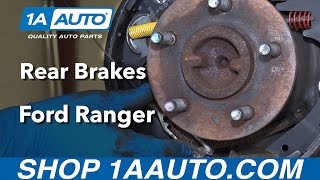
🎬 Watch a quick summary of the drum brake replacement process.| Part Tier | Price Range (per drum) |
|---|---|
| Economy | $59 - $75 |
| Standard Replacement | $75 - $95 |
| Premium / Coated | $95 - $108+ |
Frequently Asked Questions
Do I need to replace both rear drums at the same time?
Yes. You should always replace brake drums in pairs on the same axle. This ensures even braking performance and prevents the truck from pulling to one side when you stop.
What does the protective coating on some drums do?
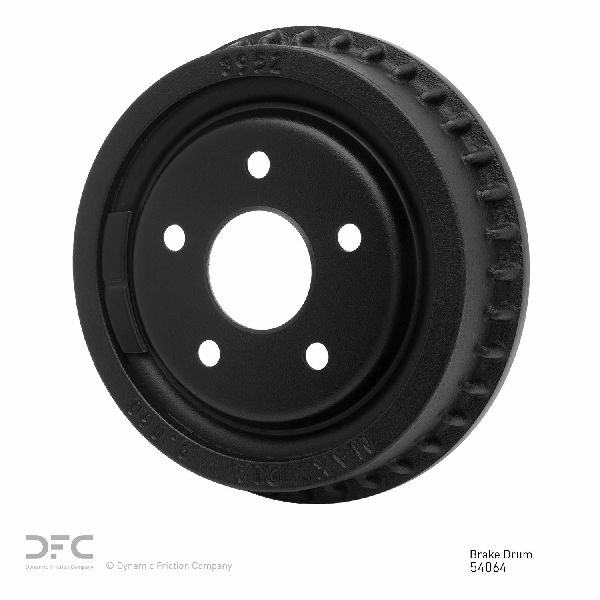
The black or grey coating on premium drums is an E-coat or similar treatment. It helps prevent rust on the non-braking surfaces of the drum, like the hat and edges. This not only looks better behind your wheels but can also make the drum easier to remove in the future.
Why are my new shoes too tight inside the new drum?
This can happen due to manufacturing tolerances in aftermarket parts. First, make sure the star adjuster is turned all the way in. If it's still too tight, you may need to lightly sand the edges of the new brake shoes. In some cases, a specific part may have a quality control issue.
Is it hard to replace brake drums myself?
Replacing drum brakes is considered a moderately difficult job. It requires specific tools and can be tricky because of the many springs and clips. If you are not comfortable, a professional mechanic can do the job in about 1.5 to 2.5 hours.
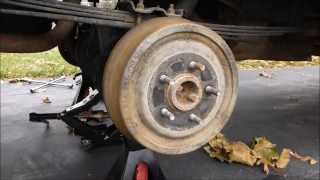
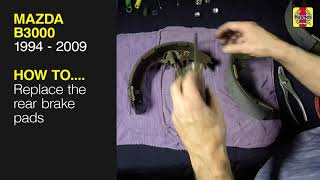
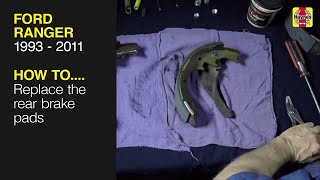
🎬 Watch this step-by-step guide to replacing your rear drum brakes.Helpful Videos
Technical Specifications
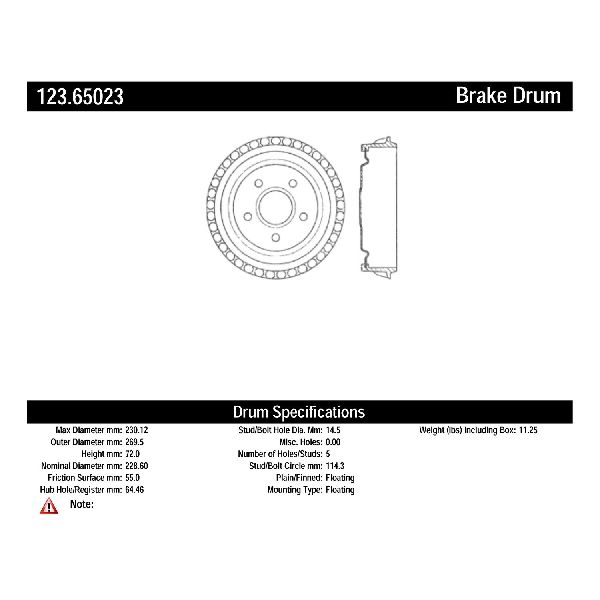
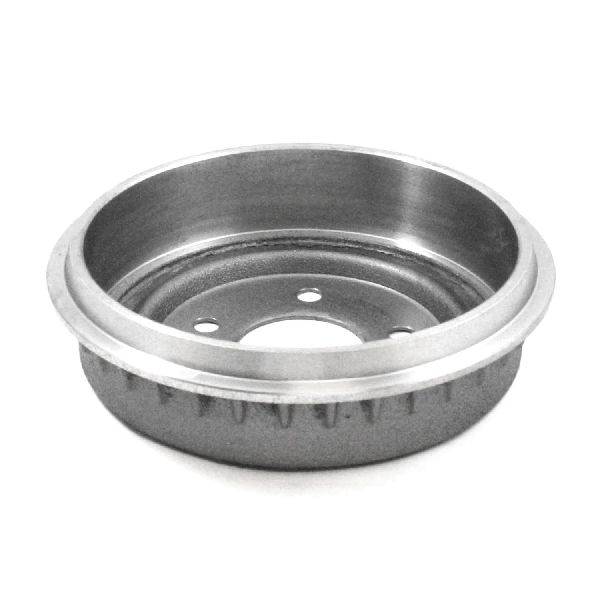
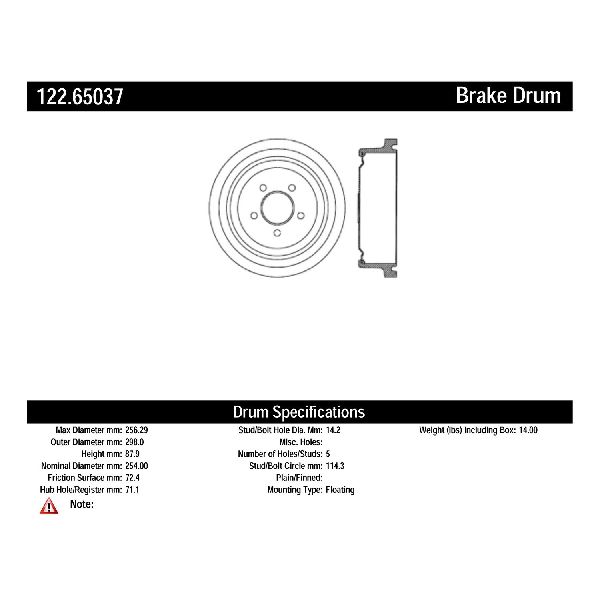
Fitment varies. Two main sizes exist: 9-inch and 10-inch diameter. Bolt pattern is 5-lug. Always confirm your vehicle's specific requirements before purchase.
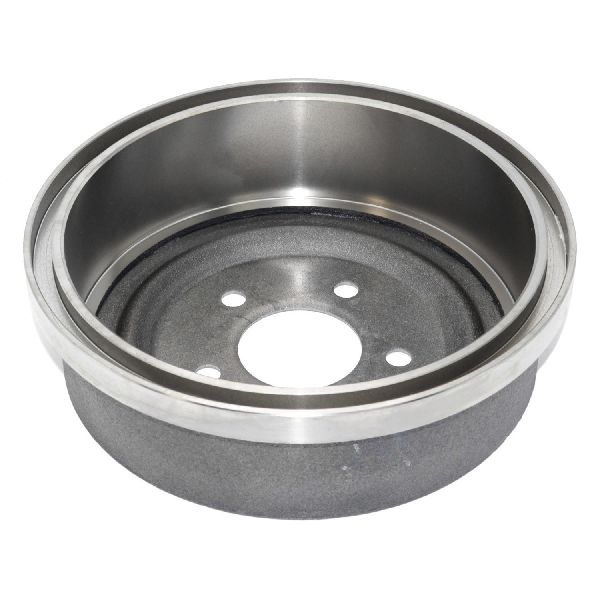
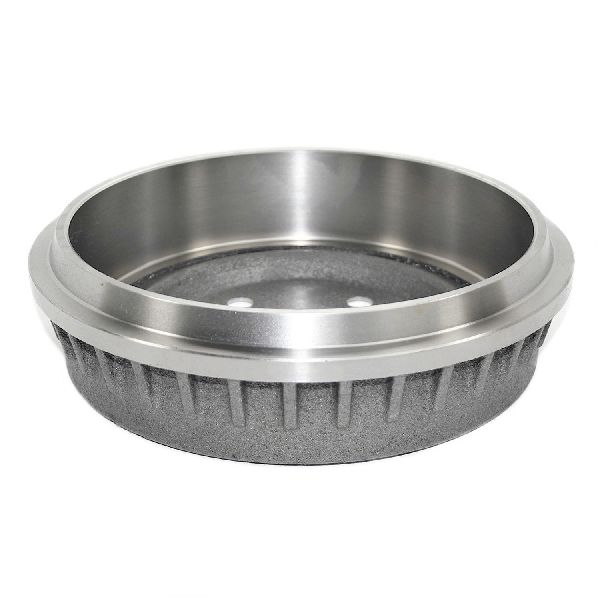
We Have This Part in Stock

The information in this article is provided for general reference and educational purposes only. Vehicle specifications, procedures, and part compatibility can vary by production date, trim level, and region. Always consult your vehicle's factory service manual and verify part numbers before purchasing or performing repairs. Safety-critical components such as airbags, seat belts, and braking systems should be installed by a qualified professional.
- Mazda B3000: