

Choosing the Right Serpentine Belt for Your 1994-2008 Mazda B3000
Keep your truck's accessories running smoothly by picking the best replacement serpentine belt.
- A squealing noise is the most common sign of a failing serpentine belt, but it can also be caused by a bad tensioner or idler pulley.
- Replacing the belt is a simple DIY job for most owners, taking less than an hour with basic tools.
- For best results, choose a premium aftermarket brand like Gates, Continental, or Dayco, which are highly recommended by other owners.
- To prevent future issues, it is wise to replace the belt tensioner and idler pulley at the same time as the belt, especially on high-mileage trucks.
Is Your B3000's Serpentine Belt Failing?
A serpentine belt is a wear item, meaning it will eventually need to be replaced. For the 1994-2008 Mazda B3000, which shares its platform with the Ford Ranger, the belt and its related components are known to cause issues as they age. Ignoring the signs of a failing belt can leave you stranded.
Key Symptoms of a Bad Serpentine Belt
- Squealing or Chirping Noises: This is the most common sign. The noise may be constant or happen only during startup, acceleration, or when the A/C is on. It's often worse in damp weather. This sound indicates the belt is slipping.
- Visible Wear and Tear: Inspect your belt. Cracks, fraying, missing ribs, or a glazed, shiny appearance on the underside are all signs it's time for a replacement.
- Accessory Malfunctions: If your power steering feels heavy, your A/C isn't blowing cold, or the battery light comes on, it could be due to a slipping or broken belt.
- Engine Overheating: The serpentine belt drives the water pump on the 3.0L V6 engine. If the belt fails, the water pump stops, and the engine will overheat very quickly.
A Note on Noises
While a worn belt is a common cause of squealing, the noise can also come from a failing tensioner, a bad idler pulley, or a misaligned pulley. If a new belt still squeals, the problem likely lies with one of these other parts. It's often a good idea to replace the tensioner and idler pulley at the same time as the belt, especially on higher-mileage trucks.
Choosing the Right Aftermarket Serpentine Belt
For a vehicle like the 1994-2008 Mazda B3000, aftermarket serpentine belts offer excellent quality, often meeting or exceeding original equipment (OE) specifications. You don't need to pay dealership prices for a reliable part. Here's a breakdown of trusted brands.
Brand Quality Tiers
- Top Tier (Excellent Quality): Brands like Gates, Continental, and Dayco are consistently recommended by mechanics and DIYers in forums for their durability and quiet operation. They use modern EPDM rubber compounds that resist heat and cracking better than older belts. Many owners have had good results switching to one of these brands to solve persistent squeaking issues.
- OEM-Quality (Good Quality): INA is a well-respected manufacturer, often known for making tensioners and pulleys for original manufacturers. Their belts are also considered a solid, reliable choice.
- Budget-Friendly (Standard Quality): Brands like Skyward are typically entry-level options. While they will work, they may not have the same longevity or advanced noise-resistant designs as the top-tier brands. For a critical part like a serpentine belt, spending a few extra dollars on a premium brand is a worthwhile investment for long-term peace of mind.
Pro Tip: Since the Mazda B3000 is a rebadged Ford Ranger with the 3.0L Vulcan V6, parts are widely available and interchangeable. Searching for parts for the equivalent Ford Ranger can sometimes yield more results.
How Much Does a New Serpentine Belt Cost?
The cost can vary depending on the brand and whether you do the job yourself or hire a mechanic. The replacement is a simple DIY job for most owners.
| Item | Estimated Cost |
|---|---|
| New Aftermarket Serpentine Belt | $21.46 - $68.76 |
| Shop Labor for Installation | $88 - $130 |
| Total Professional Replacement | $131 - $178 |
Frequently Asked Questions
Is there a recall on the serpentine belt for the 1994-2008 Mazda B3000?
No, there are no specific recalls issued by the NHTSA for the serpentine belt on the 1994-2008 Mazda B3000. Some newer Mazda models had a TSB for a leaking belt tensioner, but this does not apply to the B3000.
Can I replace the serpentine belt myself?
Yes, this is a very DIY-friendly job. It typically requires only basic hand tools, like a wrench or socket set, to release the tensioner and route the new belt. The whole process usually takes less than an hour. 🎬 Watch this step-by-step guide to replacing your B3000 drive belt. There should be a belt routing diagram on a sticker in your engine bay to guide you.
🎬 View the 3.0L V6 belt routing diagram and AC bypass options.Should I replace the tensioner and idler pulley with the belt?
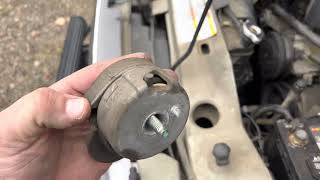
It is highly recommended, especially if your truck has over 100,000 miles or if you are trying to solve a noise issue. A worn-out tensioner can't keep proper tension on the belt, causing slippage, and a bad pulley bearing will make noise and can seize. Many companies sell convenient kits that include the belt, tensioner, and idler pulley.
🎬 See how to replace the belt, tensioner, and idler pulley together.What happens if my serpentine belt breaks while driving?
If the belt breaks, you will immediately lose power steering, your alternator will stop charging the battery, and your water pump will stop circulating coolant. You will see the battery light come on and the engine temperature will rise rapidly. You should pull over immediately and safely shut off the engine to prevent catastrophic damage from overheating.
Helpful Videos
Technical Specifications
OEM Part Numbers: F57Z-8620-B
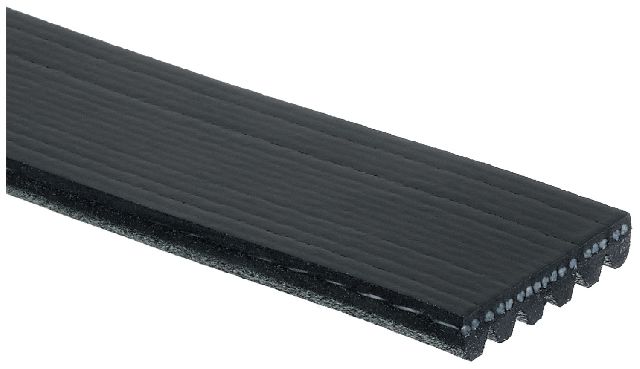
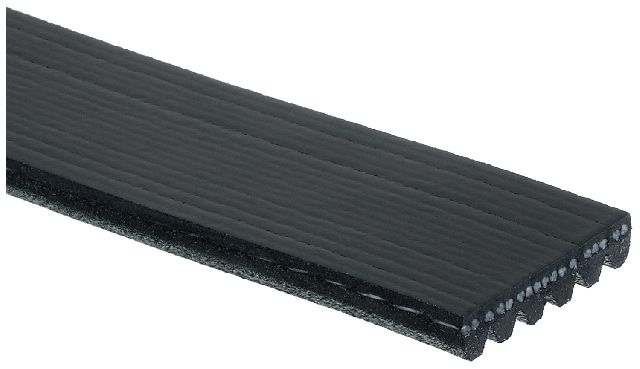
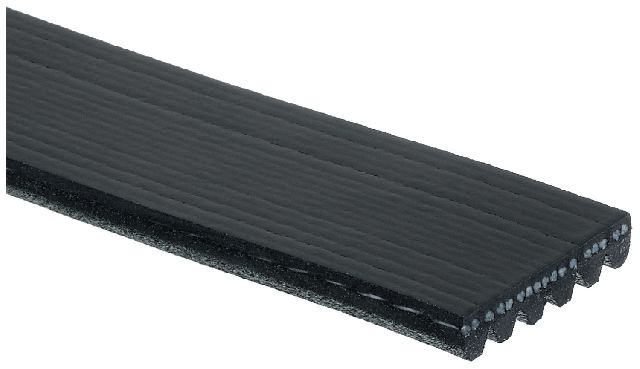
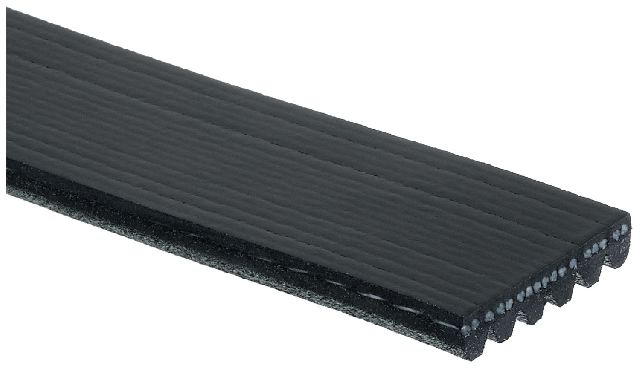
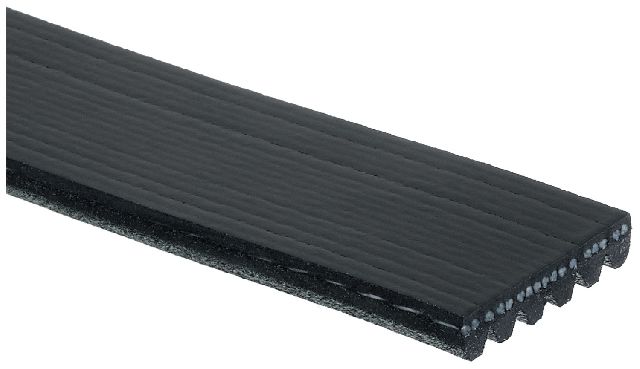
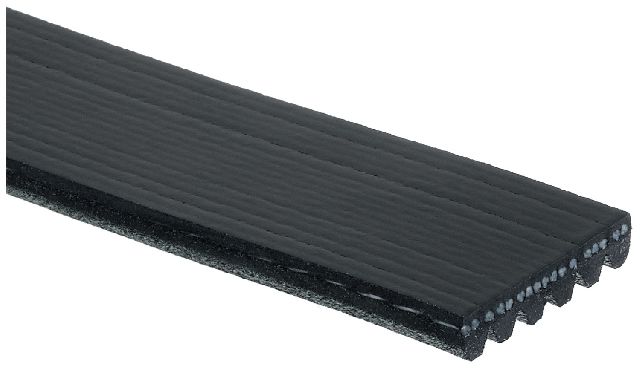
The correct belt length and rib count depends on your specific year and whether your truck is equipped with Air Conditioning (A/C). Always verify the part number for your vehicle's configuration. The 3.0L V6 engine with A/C typically uses a 6-rib belt.
We Have This Part in Stock

The information in this article is provided for general reference and educational purposes only. Vehicle specifications, procedures, and part compatibility can vary by production date, trim level, and region. Always consult your vehicle's factory service manual and verify part numbers before purchasing or performing repairs. Safety-critical components such as airbags, seat belts, and braking systems should be installed by a qualified professional.
- Mazda B3000: