

A Guide to Replacing Suspension Shock Absorbers on the 1994-2008 Mazda B3000
Restore your truck's ride quality and handling by choosing the right new aftermarket shock absorbers for your B3000.
- Your 1994-2008 Mazda B3000 is a rebadged Ford Ranger, giving you many aftermarket shock options.
- Before ordering, verify if your front suspension uses coil springs (common on 1994-1997) or torsion bars (an option on 1998-2008).
- For brand selection: Bilstein offers a firm performance ride, KYB provides a balanced OEM-style upgrade, and Monroe is a softer, budget-friendly choice.
- Replacing shocks on this truck is a straightforward DIY job that does not typically require a wheel alignment.
Understanding Your Mazda B3000 Suspension
Before buying new shocks, it's important to know that the 1994-2008 Mazda B3000 is mechanically identical to the Ford Ranger. This is great news, as it means there is a wide selection of aftermarket parts available. However, there are key suspension differences across these years you must be aware of to order the correct parts.
Pro Tip: Check Your Front Suspension Type!
- 1994-1997 models: These trucks use a front suspension with coil springs.
- 1998-2008 models: These trucks use a Short-Long Arm (SLA) front suspension that came with either coil springs OR torsion bars. Visually inspect your truck to see if you have a large coil spring or a long metal bar (torsion bar) as your front spring before ordering.
Signs of Worn-Out Shock Absorbers
Shocks wear out gradually, so you may not notice the decline in performance right away. Here are the most common symptoms that it's time for a replacement:
- Bouncy Ride: The truck continues to bounce up and down long after hitting a bump or dip in the road.
- Nose-Diving: The front end of the truck dips down excessively when you apply the brakes. This can increase your stopping distance.
- Body Roll: The truck feels unstable and sways or leans heavily when turning corners.
- Uneven Tire Wear: You may notice a specific wear pattern on your tires called "cupping" or "scalloping," which looks like scooped-out patches on the tread.
- Unusual Noises: A clunking or knocking sound from the suspension area when going over bumps can indicate worn shocks or their mounting hardware.
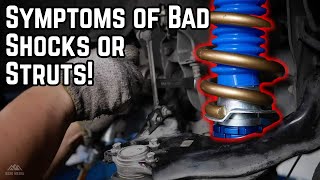
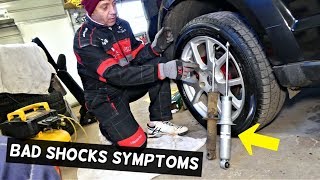
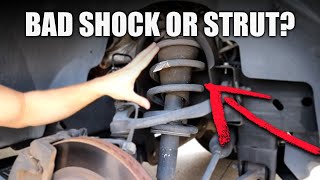
- Fluid Leaks: A visible oil leak running down the side of the shock absorber 🎬 Watch this video to see these bad shock symptoms in action. is a clear sign of failure.
Known Issues, Recalls, and Service Bulletins
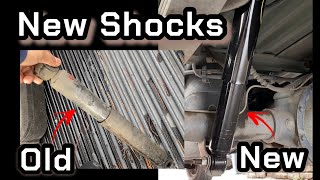
Searches for official recalls from the National Highway Traffic Safety Administration (NHTSA) did not find any recalls specifically for the shock absorbers on the 1994-2008 Mazda B3000. However, Mazda did issue a Technical Service Bulletin (TSB 02-002/20) for technicians. This bulletin clarifies the difference between minor "oil seepage," which can be normal, and a true "oil leak" that requires replacement. If a shock is wet with oil running down its side, it needs to be replaced. If it just has a light film of oily dust, it may still be functioning correctly.
Choosing the Right Aftermarket Shocks
With dozens of options available, choosing a shock can be confusing. For the B3000, aftermarket shocks often provide better performance and value than original equipment (OEM) parts. Here is a breakdown of popular brands based on owner feedback to help you decide.
Good: Economy Replacement
These brands are a great choice if your goal is to restore the original ride on a budget. They are generally tuned for comfort.
- Monroe: Often recommended as a budget-friendly option that provides a comfortable, soft ride. Some users find them softer than the original shocks.
- FCS Struts & PRT: These brands offer affordable, direct-fit replacements that meet OEM specifications.
Better: OEM-Quality Upgrade
This tier offers a noticeable improvement in handling and control over standard replacements without being overly stiff.
- KYB: Highly regarded by Ranger and B3000 owners as a quality upgrade over stock. The Gas-a-Just and Excel-G models are popular for providing a good balance of comfort and improved responsiveness.
Best: Performance & Heavy Duty
For those who want a significant upgrade in handling, towing stability, or light off-road capability. These shocks provide a firmer, more controlled ride.
- Bilstein: The most frequently recommended brand for a performance upgrade. The 4600 series is a fantastic heavy-duty option for stock-height trucks, while the 5100 series is popular for lifted trucks. Owners report a much firmer and more stable ride, which is great for hauling but may be too stiff for those who prefer comfort.
- Rancho: Known for off-road applications, Rancho offers adjustable shocks like the RS9000XL series that allow you to fine-tune the ride from soft to firm.
| Part | Price Range (Single Shock) |
|---|---|
| Front Suspension Shock Absorber | $22 - $135 |
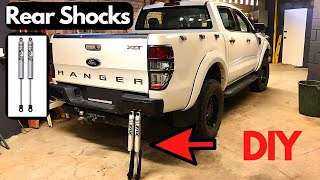
| Rear Suspension Shock Absorber | 🎬 Check out this guide for replacing your rear shocks.$21 - $120 |
Note: Prices are estimates and can vary based on brand, retailer, and vehicle configuration (2WD/4WD).
Frequently Asked Questions (FAQ)
Do I need to replace all four shocks at the same time?
It is highly recommended to replace shocks in pairs (both front or both rear) to ensure even handling and stability. Replacing all four at once is ideal for balanced performance, especially if they are all original and have high mileage.
Is a wheel alignment needed after replacing shocks?
For the Mazda B3000, replacing only the shock absorbers (front or rear) does not typically require a wheel alignment. The shocks on this truck are not a structural part of the alignment angles. However, if you are replacing other components like control arms or ball joints at the same time, an alignment is necessary.
What's the difference between shocks for 2WD and 4WD models?
The shocks for 2WD and 4WD models are often different in length and have different mounting points, especially for the front suspension. It is critical to order the correct shocks for your specific drivetrain to ensure proper fit and function.
What are monotube vs. twin-tube shocks?
Twin-tube shocks are the most common and are used in most factory and standard replacement applications (like Monroe and some KYB models). Monotube shocks, like those from Bilstein, have a more advanced design that offers better heat dissipation and more consistent performance under heavy use, resulting in a firmer, more responsive ride.
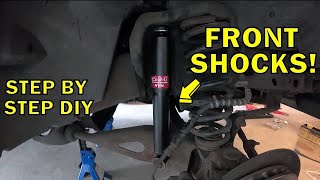
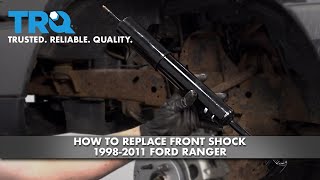
Helpful Videos

Technical Specifications
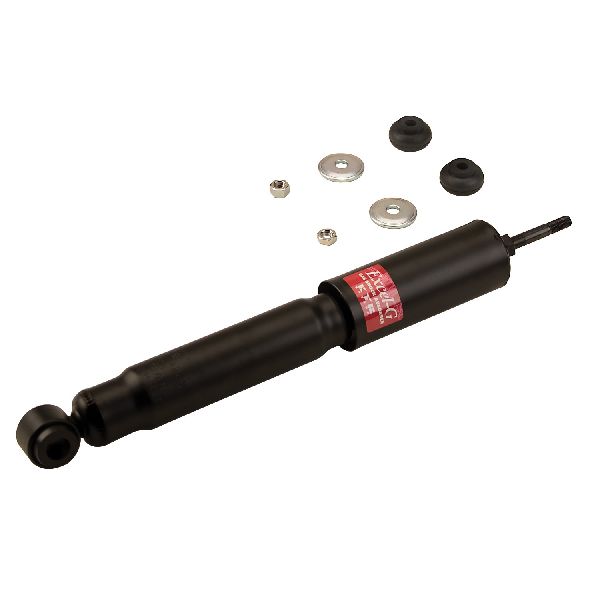
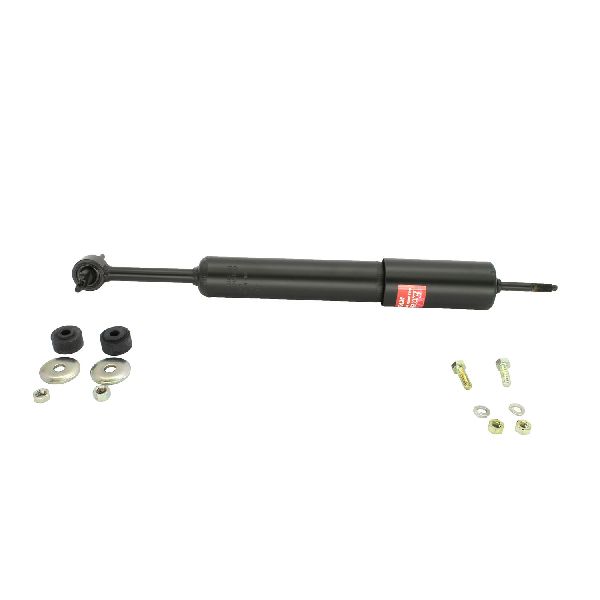
Key specifications to verify before purchase include the upper and lower mount types (e.g., Stem, T-Bar, Eyelet), compatibility with your vehicle's drivetrain (2WD or 4WD), and front suspension type (coil spring or torsion bar). OEM part numbers vary significantly by year and configuration; it is best to search using your vehicle's VIN or specific attributes.
We Have This Part in Stock


The information in this article is provided for general reference and educational purposes only. Vehicle specifications, procedures, and part compatibility can vary by production date, trim level, and region. Always consult your vehicle's factory service manual and verify part numbers before purchasing or performing repairs. Safety-critical components such as airbags, seat belts, and braking systems should be installed by a qualified professional.
- Mazda B3000:
- 🎬 Helpful Videos
- 🛍️ Shop This Part
- Understanding Your Mazda B3000 Suspension
- Signs of Worn-Out Shock Absorbers
- Known Issues, Recalls, and Service Bulletins
- Choosing the Right Aftermarket Shocks
- Good: Economy Replacement
- Better: OEM-Quality Upgrade
- Best: Performance & Heavy Duty
- Frequently Asked Questions (FAQ)
- 🎟️ Get 5% Off