

Mazda B3000 Throttle Position Sensor (TPS) Guide for 1994-2008 Models
Solve erratic idle, poor acceleration, and harsh shifting issues on your 1994-2008 Mazda B3000 by understanding and replacing your Throttle Position Sensor.
- A bad TPS is a very common cause of automatic transmission shifting problems in the Mazda B3000.
- Replacement is extremely easy, requiring only a screwdriver and less than 30 minutes, making it a great DIY repair.
- For a critical sensor like the TPS, choosing a reputable aftermarket brand like NGK or Standard Ignition is recommended over cheaper economy brands for reliability.
- No recalls have been issued by the NHTSA for the throttle position sensor on the 1994-2008 Mazda B3000.
Is Your Mazda B3000 Throttle Position Sensor Failing?

Because the Mazda B3000 is based on the Ford Ranger, it shares common issues. A failing throttle position sensor is a well-known problem for these trucks. The symptoms can start small but will get worse over time. If you notice any of the issues below, your TPS is a likely suspect.
Key Failure Symptoms:
- Harsh or Delayed Automatic Shifting: This is one of the most common and confusing symptoms for B3000 owners. A bad TPS signal confuses the computer, leading to hard shifts, delayed shifts, or hunting for gears.
- Erratic or High Idle: Your truck's engine may idle too high, surge up and down, or idle too low, sometimes stalling.
- Poor Acceleration and Hesitation: The truck may feel sluggish, stumble, or hesitate when you press the gas pedal.
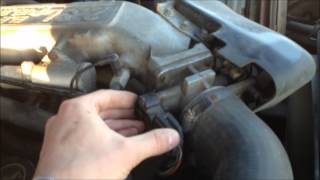
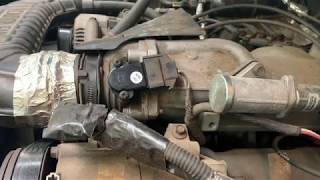
- Check Engine Light: A failing TPS will often trigger the check engine light with diagnostic trouble codes (DTCs) like P0122 (TPS Signal Low) or P0123 (TPS Signal High). 🎬 Watch: How to test and change your TPS in minutes
A Note on Similar Symptoms
Sometimes, a very dirty throttle body can cause symptoms like a rough idle or stalling. Before replacing the TPS, it's a good idea to inspect and clean the throttle body, as this is a common maintenance item. A Mazda Technical Service Bulletin (TSB 01-007-09) was issued for similar models regarding carbon buildup causing these issues.
Choosing the Right Aftermarket TPS Brand

When it comes to electronic sensors, quality matters. While a cheap sensor might save money upfront, it can fail quickly, leaving you with the same problems. Here’s a breakdown of the available brands, from premium to economy.
Tier 1: Premium Aftermarket
These brands are known for making high-quality sensors that meet or exceed original equipment (OE) standards. They are a reliable choice for long-term performance.
- NGK: A top-tier manufacturer, widely respected as an OEM supplier for many car brands.
- Standard Ignition (SMP): A long-standing, reputable aftermarket brand. Their standard line (red box) is considered a quality replacement. True Tech is also a brand of SMP.
Tier 2: Mid-Grade Aftermarket
These brands offer a balance of price and quality and are a common choice for many repairs.
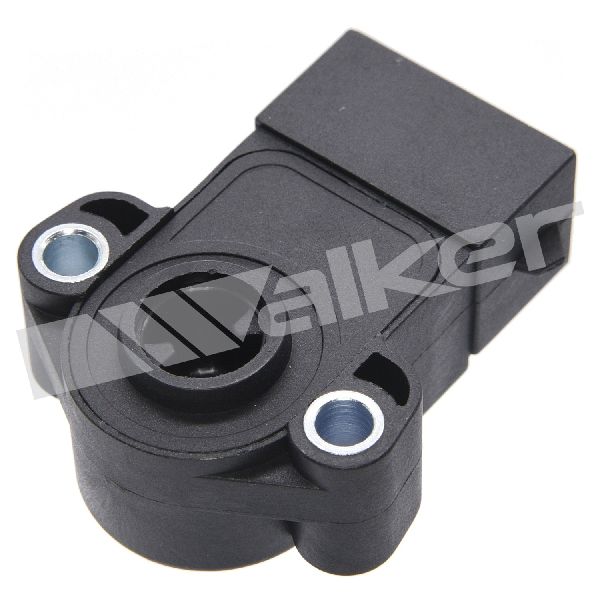
- Walker Products: A known manufacturer of fuel and engine management parts.
- Motorad: A widely available aftermarket brand.
Tier 3: Economy Brands
These are the most affordable options, but quality can be inconsistent. Be cautious with critical sensors from these brands.
- Global Parts, Replacement: These brands focus on low cost. While they can work, forum discussions often advise against using budget sensors for critical components due to higher failure rates.
OEM vs. Aftermarket
For this specific part on the B3000, a high-quality aftermarket sensor from a brand like NGK or Standard Ignition is a perfectly reliable alternative to the more expensive OEM part. The key is to avoid the cheapest, no-name options which can be poorly made.
Typical Replacement Costs
The cost for a new aftermarket Throttle Position Sensor for a 1994-2008 Mazda B3000 can vary based on the brand's quality.
| Part Type | Price Range |
|---|---|
| New Aftermarket (Economy) | $9.00 - $25.00 |
| New Aftermarket (Mid-Grade/Premium) | $25.00 - $99.00 |
| New OEM (Mazda/Motorcraft) | $55.00 - $70.00 |
| Shop Labor | $50.00 - $100.00 |
Frequently Asked Questions (FAQ)

Is it hard to replace a Mazda B3000 TPS?
No, this is a very easy job for a DIYer. It involves removing two screws and one electrical connector. The sensor is located on the side of the throttle body and is easy to access. The entire job usually takes less than 30 minutes.
🎬 See this step-by-step TPS replacement walkthrough for your truckDoes a new TPS need to be calibrated?
No, the TPS on a 1994-2008 Mazda B3000 does not require special tools or a computer for calibration. After installing the new sensor, it is a good practice to reset the engine computer by disconnecting the negative battery terminal for about 15 minutes.
Why is my automatic transmission shifting hard? Could it be the TPS?
Yes, absolutely. On these trucks, the computer relies heavily on the TPS signal to control transmission shift points. A bad TPS is a very common cause of harsh shifting, delayed shifting, or the transmission seeming to 'hunt' for the right gear. Many owners have fixed their transmission issues simply by replacing the TPS.
Can a bad TPS cause my truck not to start?
It's possible but uncommon. A severely faulty TPS sending a completely wrong signal (like wide-open throttle) could make starting difficult. However, it is much more likely to cause poor running and driving problems than a complete no-start condition.
Helpful Videos
Technical Specifications
OEM Part Numbers: ZZM4-18-851A
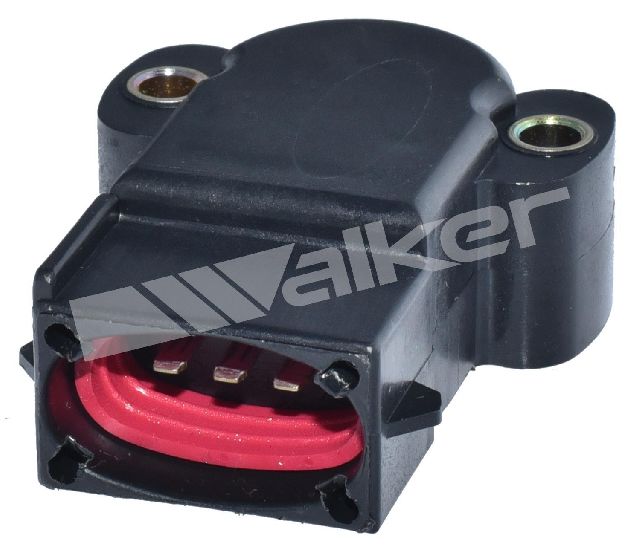
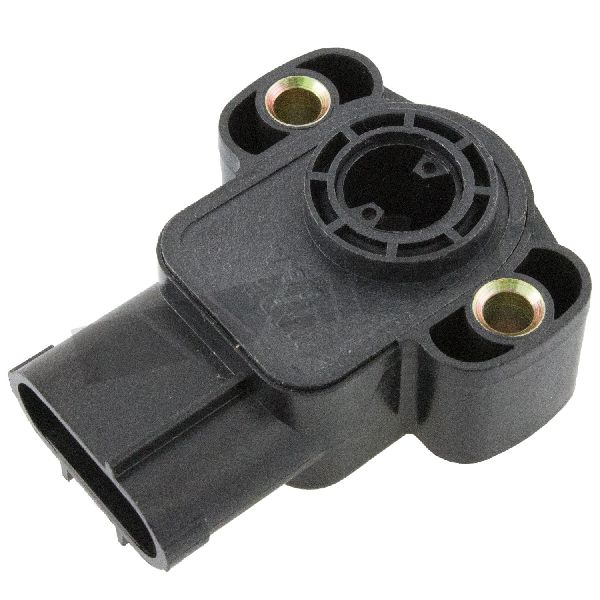
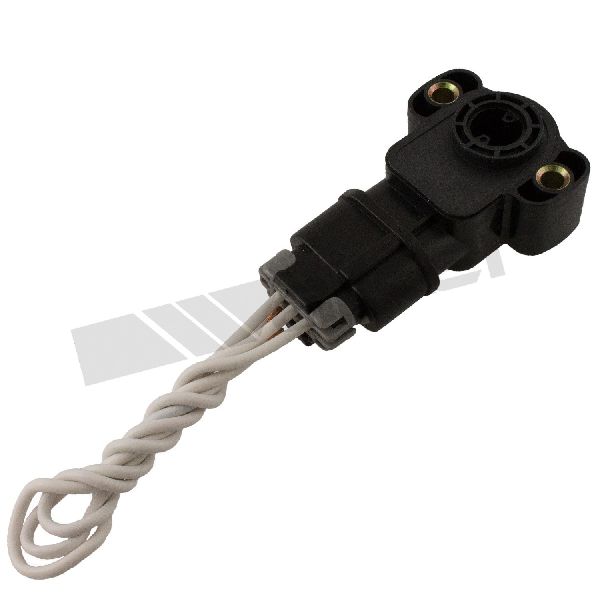
3-pin connector, mounts to throttle body.
We Have This Part in Stock


The information in this article is provided for general reference and educational purposes only. Vehicle specifications, procedures, and part compatibility can vary by production date, trim level, and region. Always consult your vehicle's factory service manual and verify part numbers before purchasing or performing repairs. Safety-critical components such as airbags, seat belts, and braking systems should be installed by a qualified professional.
- Mazda B3000:
- 🎬 Helpful Videos
- 🛍️ Shop This Part
- Is Your Mazda B3000 Throttle Position Sensor Failing?
- Key Failure Symptoms:
- A Note on Similar Symptoms
- Choosing the Right Aftermarket TPS Brand
- Tier 1: Premium Aftermarket
- Tier 2: Mid-Grade Aftermarket
- Tier 3: Economy Brands
- OEM vs. Aftermarket
- Typical Replacement Costs
- Frequently Asked Questions (FAQ)
- 🎟️ Get 5% Off