

Pontiac Grand Prix Engine Crankshaft Position Sensor Guide (1994-2008)
Everything a Grand Prix owner needs to know about diagnosing and replacing a faulty crankshaft position sensor.
- A no-start or intermittent stalling condition is a classic symptom of a failed crankshaft sensor on a Grand Prix.
- For reliability, choose an OEM-grade brand like ACDelco or Delphi; budget brands have a higher risk of being faulty out of the box.
- Replacement is difficult, requiring a special harmonic balancer puller to access the sensor behind the main engine pulley.
- A professional scan tool is often needed after installation to perform a 'CASE relearn' procedure to avoid a P1336 trouble code.
Is Your Grand Prix Stalling or Not Starting? It Could Be the Crank Sensor.

A failing crankshaft position sensor is a common issue on the 1994-2008 Pontiac Grand Prix, especially on the popular 3.8L (3800) V6 engine. When this sensor starts to go bad, it can leave you stranded. Symptoms often start small, like a rough idle or occasional stalling, but can quickly lead to a car that won't start at all. Recognizing the signs early can save you from a tow truck.
Choosing the Right Aftermarket Sensor: Brand Quality Matters

When it comes to critical electronic sensors, not all aftermarket brands are created equal. For the Grand Prix, owner forums and mechanic experience point to a clear hierarchy in quality and reliability.
- Tier 1: OEM & Premium Aftermarket. Brands like ACDelco (the original GM part) and Delphi (often the original manufacturer for GM) are highly recommended. These parts are designed to meet the original specifications for performance and durability. NGK/NTK is another trusted name that offers OE-quality sensors. Choosing one of these brands is your best bet for a long-lasting, trouble-free repair.
- Tier 2: Reputable Aftermarket. Brands such as Standard Motor Products (SMP), Hitachi, and Walker Products generally offer good quality and are a solid choice if a premium brand isn't available. They provide a balance of price and reliability.
- Tier 3: Budget Brands. This category includes brands like Dorman, store brands (e.g., Duralast), and various other lower-cost options. While the price is attractive, be aware that the quality can be inconsistent. Some owners have reported receiving parts that were defective right out of the box, leading to doing the repair twice. If your budget is tight, these can work, but it's a gamble on a part that is labor-intensive to replace.
A Note on Recalls
While there are no direct recalls for the crankshaft position sensor itself, GM issued safety recalls for some 1997-2003 Grand Prix models related to engine oil leaking onto the hot exhaust manifold, which could cause a fire. This condition highlights the harsh under-hood environment; oil leaks and high heat can also damage sensor wiring, causing similar symptoms. Always address oil leaks when working in this area.
Installation: Not a Simple Job

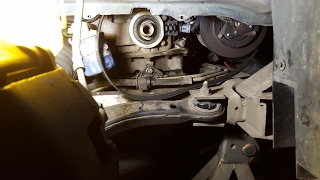
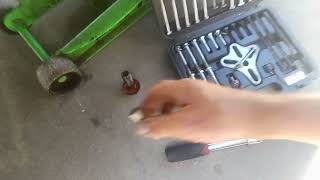
Replacing the crankshaft sensor on the 3.8L V6 is a challenging task for a beginner. The sensor is located behind the harmonic balancer (the main engine pulley). To access it, you must remove the passenger-side front wheel, the plastic splash shield, and the serpentine belt. The most difficult step is removing the harmonic balancer, which requires a special tool called a harmonic balancer puller. 🎬 Watch a step-by-step guide on replacing the 3800 series sensor. Without this tool, the job is nearly impossible. Once the balancer is off, the sensor is held in by two 13mm bolts.
Pro Tip: The CASE Relearn Procedure
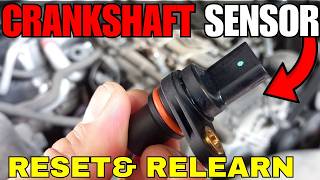
After replacing the crankshaft sensor, your Grand Prix may require a "Crankshaft Variation Relearn" or "CASE Relearn." This procedure synchronizes the new sensor with the engine computer. If not performed, you may get a check engine light with code P1336 and experience poor engine performance. While some cars may run fine without it, the proper way to complete the job is to have a shop with a professional scan tool perform the relearn.
🎬 See how to perform a crankshaft variation relearn procedure.| Part Type | Estimated Cost |
|---|---|
| New OEM (ACDelco/GM Genuine) | $55 - $186 |
| New Aftermarket | $18 - $115 |
| Shop Labor | $170 - $250 |
| Total Professional Replacement | $227 - $437 |
Frequently Asked Questions

Where is the crankshaft position sensor on my Grand Prix?
On the most common 3.8L V6 engine, the sensor is located on the front of the engine block, behind the main crankshaft pulley (harmonic balancer). 🎬 Vea cómo cambiar el sensor de cigüeñal en un Grand Prix. On the less common 5.3L V8, it is on the rear of the engine.
Can I replace the sensor myself?
This is a feasible DIY job for someone with mechanical experience and the right tools. The key is having a harmonic balancer puller. If you are not comfortable with a multi-hour job that involves specialized tools, it is best to leave it to a professional.
What happens if I don't do the CASE relearn procedure?
Your car might run fine, but it could also run poorly, have an illuminated check engine light (P1336), and fail an emissions test. The relearn procedure ensures the engine's computer has the most accurate data for timing and misfire detection.
My car still won't start after replacing the sensor. What's wrong?
There are a few possibilities. First, ensure the sensor is plugged in correctly. Second, you may have received a defective aftermarket sensor out of the box; this is more common with budget brands. Third, the problem may not have been the sensor at all, but rather the wiring harness leading to it or another component entirely.
Helpful Videos

Technical Specifications
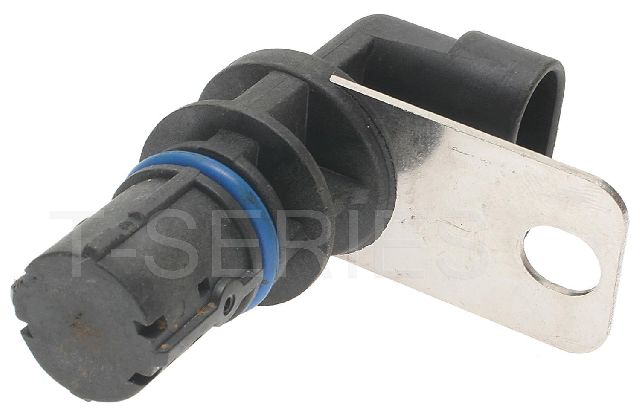
OEM Part Numbers: 12567649 24508213 213-330 24506494 24506905
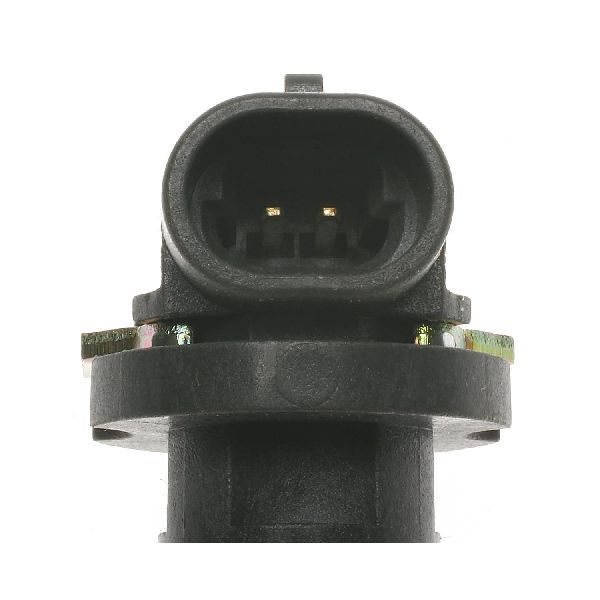
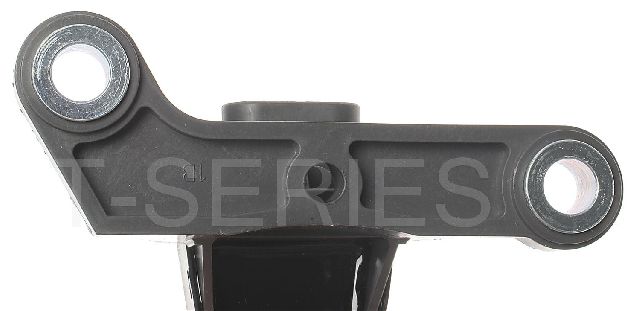
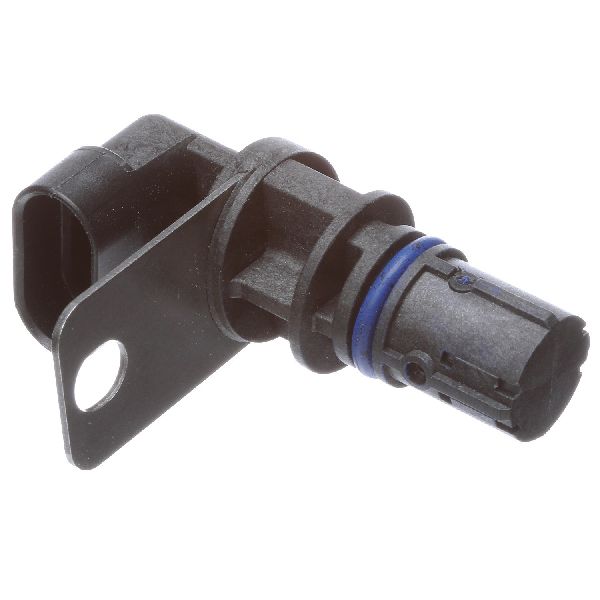
This sensor is a Hall-effect type sensor that generates a digital square wave signal for the ECU. On the 3.8L V6, it reads a reluctor wheel located behind the harmonic balancer. The job requires removing the harmonic balancer for access.
We Have This Part in Stock


The information in this article is provided for general reference and educational purposes only. Vehicle specifications, procedures, and part compatibility can vary by production date, trim level, and region. Always consult your vehicle's factory service manual and verify part numbers before purchasing or performing repairs. Safety-critical components such as airbags, seat belts, and braking systems should be installed by a qualified professional.
- Pontiac Grand Prix: