

Pontiac Grand Prix Engine and Transmission Mount Guide (1994-2008)
Stop the shaking, clunking, and excess vibration in your Grand Prix by choosing the right replacement engine mounts.
- Bad mounts cause vibration at idle, clunking when shifting, and engine lurching.
- The upper 'dog bone' mounts and the lower passenger-side hydraulic mount are the most common failure points.
- Replacing mounts is a feasible DIY job, but requires safely supporting the engine with a jack.
- Ignoring bad mounts can lead to damage to other components like hoses and exhaust parts.
Is Your Grand Prix Shaking or Clunking? It Could Be the Mounts.
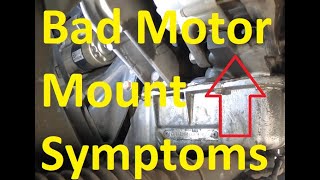
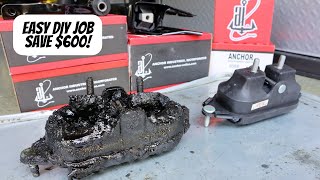
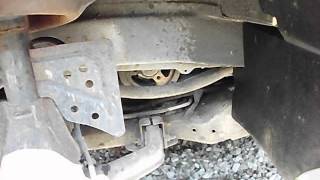
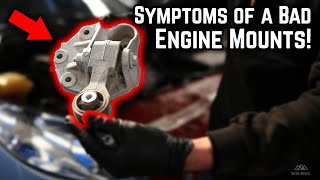
If you're feeling a lot of vibration at idle, hearing a "clunk" when you shift from park to drive, or feeling the engine lurch during acceleration 🎬 Watch this video to see common signs of mount failure., your engine or transmission mounts are likely worn out. These parts are made of rubber that cracks and weakens over time, especially after 100,000 miles. Some mounts are also filled with hydraulic fluid, which can leak out and cause the mount to fail. A common sign of a failed hydraulic front mount is an oily, cottage cheese-like substance on the subframe near the crank pulley.
Don't Ignore Bad Mounts
While you can still drive with a failing mount, it's not a good idea to ignore it for long. A completely failed mount can cause the engine to move excessively, which can damage other parts like radiator hoses, exhaust components, and even the power steering rack. In severe cases, it can affect vehicle stability.
Common Failure Points on the 1994-2008 Grand Prix
The Grand Prix has several mounts holding the powertrain in place. The most common ones to fail are:
- Upper Torque Struts ("Dog Bones"): These are the two mounts you can easily see on top of the engine. They control the forward and backward rocking motion. Their rubber bushings often crack, causing clunking noises.
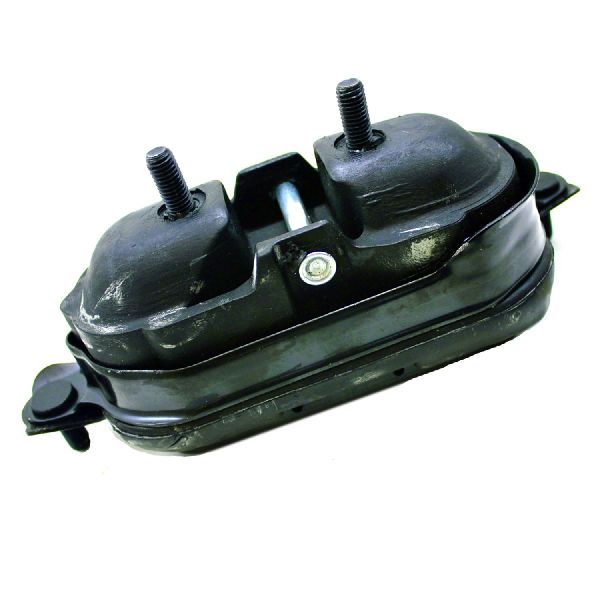
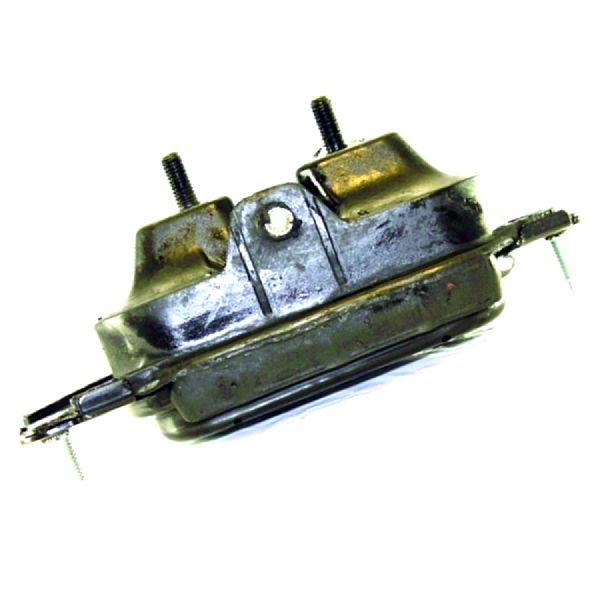
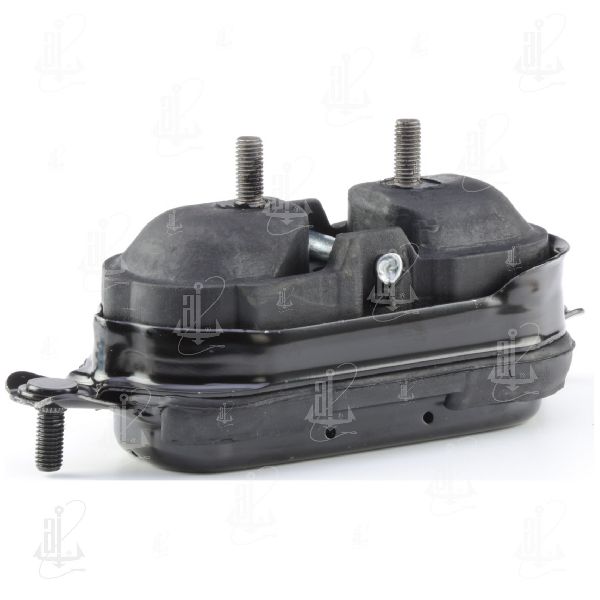
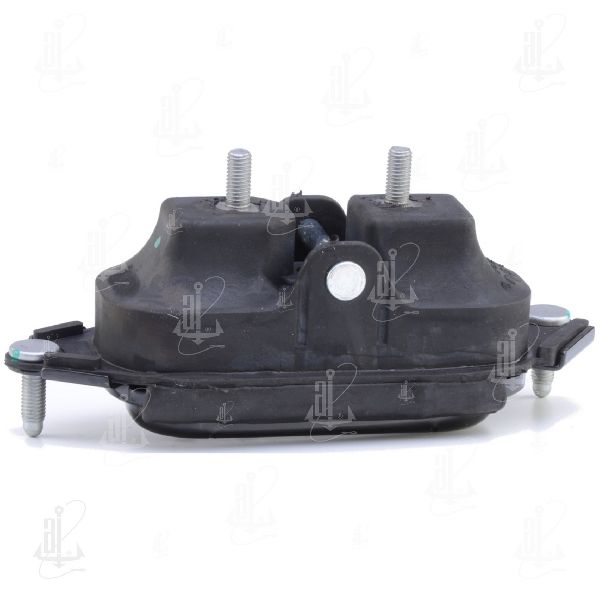
- Front Lower Engine Mount: Located on the passenger side, this mount supports a lot of the engine's weight. The original versions are often hydraulic and are known to leak. A failed lower mount can cause the engine to sag, sometimes making it difficult to fit a larger oil filter.
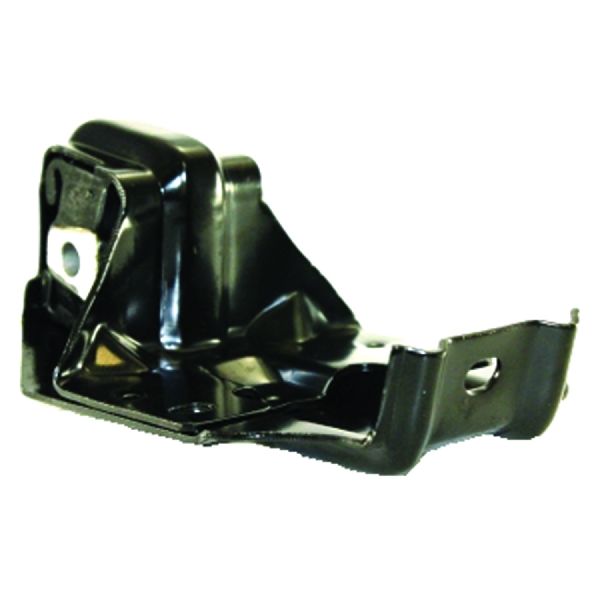
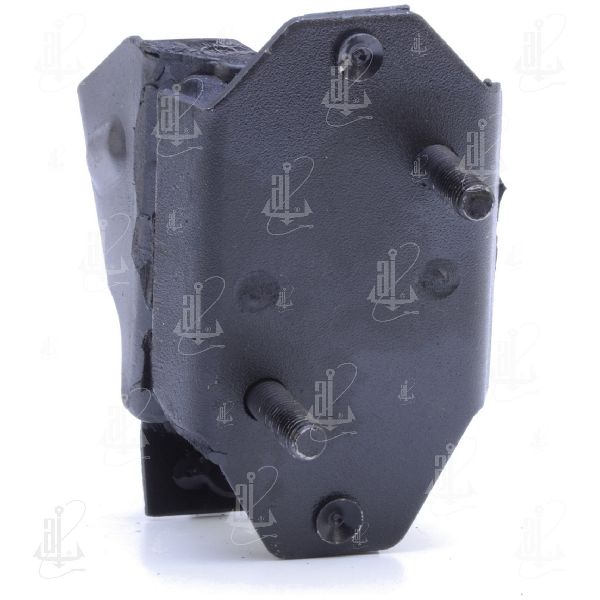
- Transmission Mount: Located on the driver's side, this mount supports the transmission. While it tends to last longer than the engine-side mount, it should be inspected at the same time.
Choosing the Right Aftermarket Mounts
You don't need to buy expensive OEM parts from a dealer. Aftermarket brands offer a good balance of quality and price. Here’s a breakdown of common choices:
- OEM-Equivalent (ACDelco): ACDelco is GM's official parts brand and is often the same part that came on your car from the factory. If you want to restore the original ride feel with no added vibration, this is a safe bet.
- Standard Aftermarket (Westar, Anchor, DEA): These are the most common aftermarket brands. They offer a significant cost saving and are a popular choice for daily drivers. Quality can be a mixed bag according to owner forums, with some reporting they don't last as long as OEM/ACDelco, but they generally get the job done.
- Economy (Pioneer Cable, various online kits): Many retailers sell complete mount kits for a very low price. These are the most budget-friendly option but may have a shorter lifespan and could introduce more vibration into the cabin compared to higher-quality options.
- Performance (Prothane): For those looking for performance, polyurethane mounts are available. These are much stiffer than rubber, providing better throttle response by limiting engine movement. However, they will transmit significantly more engine vibration into the car, making for a rougher ride.
Pro Tip: Replace in Sets
It's often recommended to replace all the mounts at once, especially on a high-mileage vehicle. When one mount fails, it puts extra stress on the others, causing them to wear out faster. Buying a complete kit can also be more cost-effective.
Cost of Replacing Grand Prix Engine Mounts
| Part | Estimated Cost |
|---|---|
| New Aftermarket Mounts | $21.24 - $102.66 (per mount or for a kit) |
| Shop Labor | $329 - $483 |
| Total Professional Replacement | $448 - $602 |
Frequently Asked Questions
Is replacing the engine mounts a DIY job?
Yes, for many home mechanics. The upper "dog bone" mounts are very easy and require basic hand tools. The lower engine and transmission mounts are more difficult because you must safely support the engine from below with a jack and a block of wood to take the weight off the mounts. This is a critical safety step to avoid injury or damage to the oil pan 🎬 See how to safely replace GM 3800 engine mounts yourself..
How do I check if my engine mounts are bad?
Have a helper sit in the car with the parking brake on. With the hood open, have them hold the brake pedal firmly and shift from Park to Reverse, and then to Drive, while you watch the engine. If the engine lifts or jerks more than an inch or two, the mounts are bad. You can also visually inspect the mounts for cracked rubber or fluid leaks 🎬 Learn how to tell if your motor mounts have failed..
Was there a recall on Grand Prix engine mounts?
There were no recalls specifically for the engine mounts themselves as a wear item. However, there was a safety recall for a small number of 2004 Grand Prix models where a front frame body mount bracket could crack, which could ultimately affect steering. This is a separate issue from the rubber engine mounts failing due to age.
Will new mounts make my car feel different?
Yes, in a good way. Replacing worn mounts will make your car feel smoother, quieter, and more responsive. The vibrations at stoplights will disappear, and the clunking noises will be gone, making the car feel newer.
Helpful Videos
Technical Specifications
The 1994-2008 Grand Prix uses a combination of solid rubber and hydraulic engine/transmission mounts. The upper mounts are often called 'torque struts' or 'dog bones'. The lower mounts support the weight of the engine and transmission. Replacement requires supporting the powertrain and typically uses 15mm and 17mm sockets and wrenches.
We Have This Part in Stock

The information in this article is provided for general reference and educational purposes only. Vehicle specifications, procedures, and part compatibility can vary by production date, trim level, and region. Always consult your vehicle's factory service manual and verify part numbers before purchasing or performing repairs. Safety-critical components such as airbags, seat belts, and braking systems should be installed by a qualified professional.
- Pontiac Grand Prix:
- 🎬 Helpful Videos
- 🛍️ Shop This Part
- Is Your Grand Prix Shaking or Clunking? It Could Be the Mounts.
- Don't Ignore Bad Mounts
- Common Failure Points on the 1994-2008 Grand Prix
- Choosing the Right Aftermarket Mounts
- Pro Tip: Replace in Sets
- Cost of Replacing Grand Prix Engine Mounts
- Frequently Asked Questions
- 🎟️ Get 5% Off