

Ford Mustang Engine Camshaft Position Sensor Guide (1994-2010)
Everything a Mustang owner needs to know about a failing camshaft position sensor and how to choose the right replacement.
- A bad camshaft sensor can cause a no-start, stalling, rough idle, and poor performance.
- Error codes like P0340 and P0344 are common indicators, but always check your alternator's health first, as it's a known issue on Mustangs.
- Replacement is simple for most DIYers, typically taking under 30 minutes with basic tools.
- For reliability, stick with OEM (Motorcraft) or premium aftermarket brands like Standard Motor Products or Delphi.
Understanding Camshaft Position Sensor Failure in Your Mustang

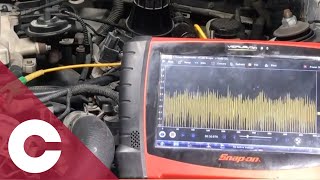
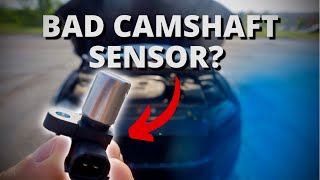
The camshaft position sensor (CMP) is a small but essential electronic part. Given its location on the engine, it's exposed to constant heat and vibration, which are the primary causes of failure over time. Oil leaks can also contaminate the sensor or its electrical connector, leading to faulty signals. When the sensor starts to fail, it sends incorrect data—or no data at all—to your Mustang's computer, causing a range of noticeable engine problems. 🎬 Watch: Common symptoms of a failing camshaft position sensor. In many cases on these Mustangs, a failing alternator can also cause camshaft sensor error codes, so it's wise to check your charging system before replacing the sensor.
🎬 Watch: How a bad alternator triggers cam sensor codes.Choosing the Right Aftermarket Camshaft Sensor

When replacing the camshaft position sensor on your 1994-2010 Mustang, you have several options outside of going to a dealer. The original part is made by Motorcraft, which is Ford's own brand. This is your benchmark for quality and fit. Aftermarket options can offer significant savings, but quality can vary. Here’s how they generally stack up:
- Premium Aftermarket (e.g., Standard Motor Products, Delphi, Denso, Hitachi): These brands are well-regarded and often manufacture original parts for various carmakers. They invest in quality control and use materials designed to meet or exceed OEM specifications. For a critical part like a cam sensor, choosing one of these brands is a reliable way to ensure long-term performance without paying the premium for a Motorcraft box.
- Reputable Mid-Range (e.g., Dorman, Walker Products): Brands like Dorman are known for making a huge variety of replacement parts. While some forum users have mixed opinions, Dorman often redesigns parts to fix original factory flaws. They can be a solid, budget-conscious choice that is widely available.
- Budget-Friendly Options: This category includes many of the lesser-known brands. While the low price is tempting, quality can be inconsistent. These parts may fail prematurely, forcing you to do the job again. For a sensor that is critical to engine operation, it is often worth spending a little more for a part from a more reputable manufacturer.
Pro Tip: Check Your Engine
The 1994-2010 Mustang was available with several different engines (3.8L V6, 4.0L V6, 4.6L V8, etc.). The exact location and part number for the camshaft position sensor can vary. For example, on many 4.6L V8 engines, the sensor is located on the driver's side, behind the power steering reservoir. On the 4.0L V6, it's often found on top of the valve cover. Always verify the correct part for your specific engine before ordering.
Known Issues, Recalls, and TSBs

While extensive searches were performed, no specific recalls or Technical Service Bulletins (TSBs) were found for the camshaft position sensor itself on 1994-2010 Ford Mustangs from the National Highway Traffic Safety Administration (NHTSA). However, forum discussions frequently mention that error codes for the camshaft position sensor (like P0340 and P0344) can sometimes be caused by a failing alternator, not the sensor itself. This is a well-known issue in the Mustang community.
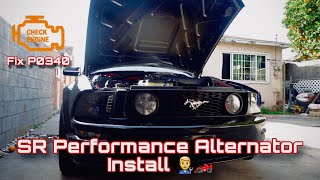
🎬 See how to fix P0340 codes with a new alternator.Frequently Asked Questions

Can I replace the camshaft position sensor myself?
Yes, this is a very DIY-friendly job for most Mustang owners. The sensor is usually held in by one or two small bolts and is easily accessible on most engines. The main tools needed are a basic socket set. The job typically takes less than 30 minutes.
Where is the camshaft position sensor located on my Mustang?
Location varies by engine. On many 4.6L V8 GT models (1996-2004), it's on the driver's side of the engine, behind the power steering fluid reservoir. On 4.0L V6 models (2005-2010), it's often on the driver's side valve cover. For 3.8L V6 models (1994-2004), it's typically on the front of the engine, below the EGR valve. Always consult a repair guide for your specific year and engine.
Do I need to do anything after installing the new sensor?
After installing the new sensor, it's a good idea to disconnect the battery for a few minutes or use an OBD2 scanner to clear the check engine light codes. This allows the computer to reset and recognize the new part. It's also recommended to apply a light coat of clean engine oil to the new sensor's O-ring before installation to ensure a good seal and prevent damage.
Should I buy a Motorcraft sensor or is an aftermarket one okay?
Motorcraft is the original part and guarantees a perfect fit and function. However, premium aftermarket brands like Standard Motor Products, Delphi, and Denso offer comparable quality and are a trusted choice for many mechanics and owners. While budget parts are available, their reliability can be questionable, and for a critical sensor, it's often better to invest in a quality aftermarket or OEM part.
Helpful Videos
Technical Specifications
OEM Part Numbers: 1W7Z6B288AB DU70 AT4Z-6B288-A
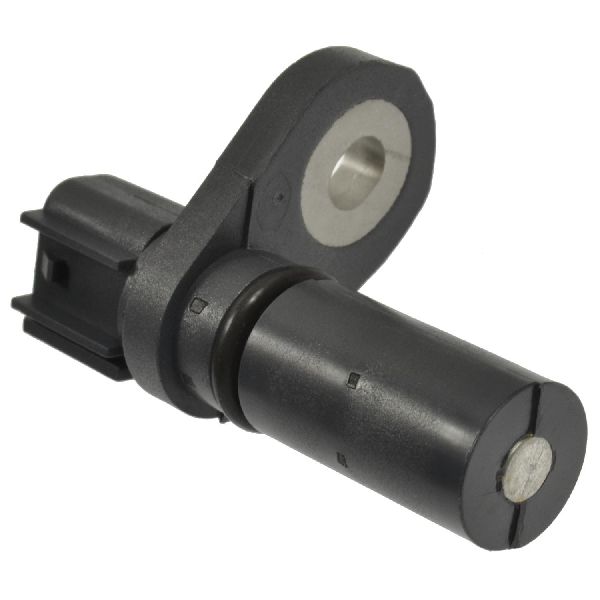
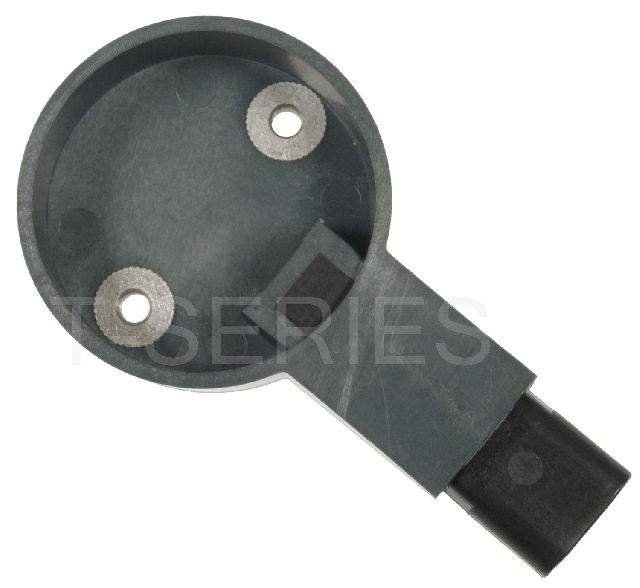
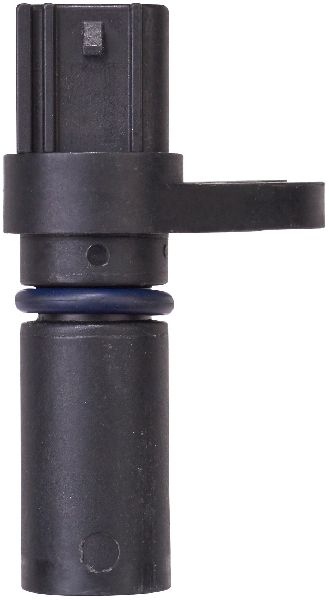
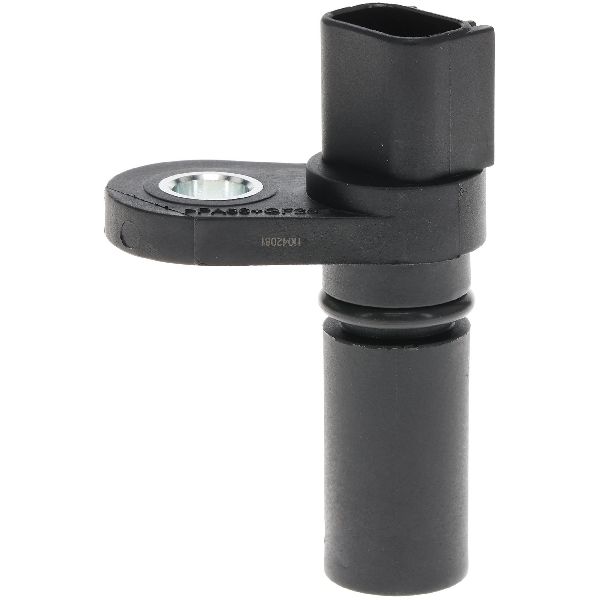
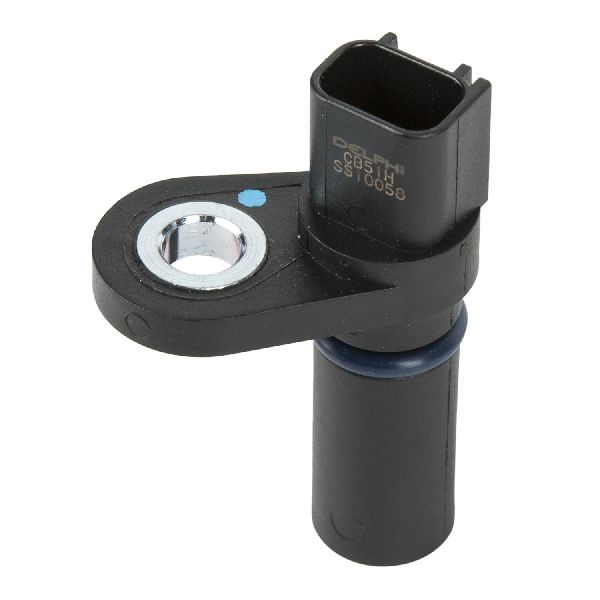
The sensor is typically a 2-terminal magnetic or Hall-effect sensor held in place by one or two bolts (usually 8mm or 7/32"). It includes an O-ring to seal against oil leaks.
We Have This Part in Stock


The information in this article is provided for general reference and educational purposes only. Vehicle specifications, procedures, and part compatibility can vary by production date, trim level, and region. Always consult your vehicle's factory service manual and verify part numbers before purchasing or performing repairs. Safety-critical components such as airbags, seat belts, and braking systems should be installed by a qualified professional.
- Ford Mustang: