

A Guide to Replacing the Alternator on Your 1994-2010 Honda Accord
Keep your Accord's electrical system healthy by understanding when to replace your alternator and which aftermarket brand to choose.
- For V6 models (especially 2003-2010), check for oil leaks from the VTEC spool valve above the alternator before replacement.
- Denso is the OEM supplier; choosing an aftermarket Denso part offers original quality without the dealer price tag.
- Always verify the correct amperage rating for your specific Accord model and engine to avoid electrical issues.
- A failing alternator can leave you stranded, so address symptoms like dimming lights or a battery warning light promptly.
Is Your Accord's Alternator Failing?
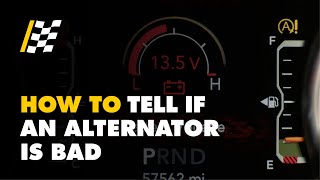
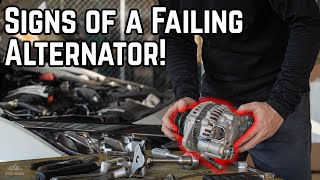
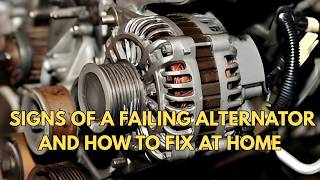
An alternator doesn't usually fail without warning. For 1994-2010 Honda Accords, the signs are often clear. If you notice your headlights and dashboard lights dimming and brightening randomly, it's a classic symptom. You might also hear a grinding or screeching noise from the engine bay, which could point to worn-out bearings inside the alternator. A battery warning light on your dashboard is another major red flag. Eventually, a failing alternator won't be able to charge the battery, leading to a no-start condition.
🎬 Watch: 6 common symptoms of a failing alternatorCheck for Oil Leaks First!
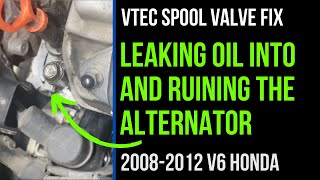
On many V6 Honda Accords from 2003-2010, a very common cause of alternator failure is an oil leak from above. The VTEC solenoid (or spool valve) gasket is known to get hard and brittle, allowing oil to drip directly onto and into the alternator, causing it to fail prematurely. Honda has issued a Technical Service Bulletin (TSB 20-023) 🎬 See how to replace leaking VTEC solenoid gaskets for this issue. Before replacing the alternator, you or your mechanic MUST inspect for and repair any oil leaks from the valve cover or VTEC solenoid to prevent the new part from failing for the same reason.
Choosing the Right Aftermarket Alternator
When replacing your alternator, you don't have to buy the expensive part from a Honda dealer. High-quality aftermarket options are available that provide excellent performance. The key is choosing a reputable brand.
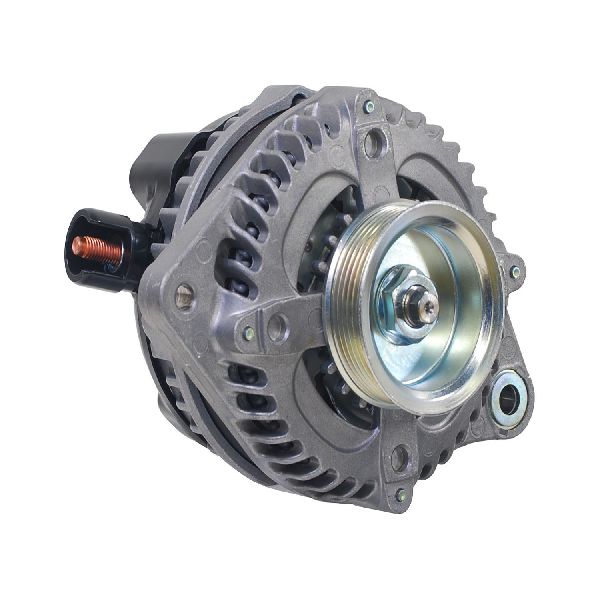
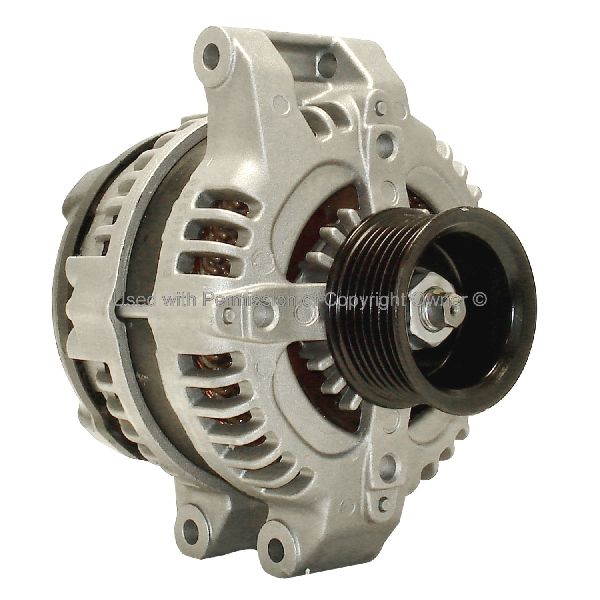
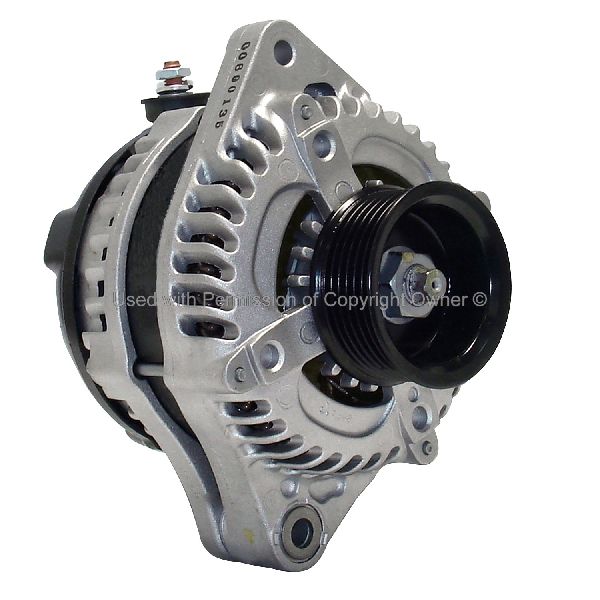
- Top-Tier (OEM Quality): Denso is the original equipment manufacturer (OEM) for Honda, meaning they made the part that was installed in your Accord at the factory. Choosing a new or remanufactured Denso alternator is the closest you can get to the original part and is highly recommended by Honda specialists for reliability. Bosch is another premium brand with a strong reputation for quality and is a solid alternative to Denso.
- Mid-Grade (Reliable Value): Brands like ACDelco and Remy offer a good balance of quality and price. They are well-known in the industry and often come with good warranties, providing a dependable repair without the premium price tag of an OEM part.
- Economy (Budget-Friendly): Brands such as WAI Global, MPA, and BBB Industries are budget-oriented choices. While they are more affordable, their long-term reliability can sometimes be inconsistent compared to premium brands. These can be a viable option if budget is the primary concern.
New vs. Remanufactured: A "new" aftermarket alternator is made with all-new components. A "remanufactured" one has been completely disassembled, cleaned, and had all wearable parts (like bearings and brushes) replaced with new ones before being tested to meet original specifications. A remanufactured unit from a top-tier brand like Denso or Bosch is an excellent, reliable choice.
How Much Does an Alternator Replacement Cost?
The cost can vary depending on your Accord's year, engine (4-cylinder vs. V6), and the parts you choose. Labor costs at a professional shop are also a factor.
| Part/Service | Estimated Cost |
|---|---|
| New Aftermarket Alternator | $55 - $424 |
| Shop Labor | $146 - $214 |
| Total Professional Installation | $201 - $638 |
Frequently Asked Questions
Do I need to match the amperage (Amps) of the new alternator?
Yes, this is critical. Your Accord's engine and trim level (e.g., DX, LX, EX) determine the required amperage, which can range from 80A to 130A. Using an alternator with the wrong amperage can cause electrical problems. Always verify the correct spec for your specific vehicle before purchasing.
Is replacing the alternator a DIY job?
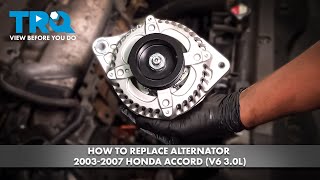
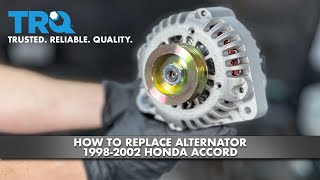
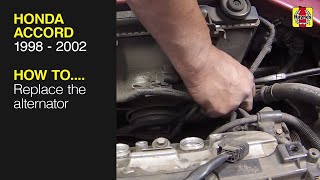
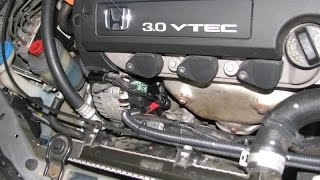
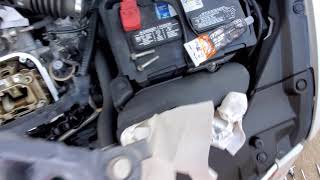
For a home mechanic with the right tools, it is possible. The job involves disconnecting the battery, releasing the serpentine belt tension, unbolting the old alternator, and installing the new one. However, access can be tight, especially on V6 models, and may require removing other components like the power steering reservoir. If you are not comfortable with this, it's best to leave it to a professional.
🎬 Watch this step-by-step alternator replacement walkthrough for V6 modelsWere there any recalls for the 1994-2010 Accord alternator?
No, searches of the National Highway Traffic Safety Administration (NHTSA) database did not show any specific recalls for the alternator itself on 1994-2010 Honda Accord models. However, the TSB regarding oil leaks on V6 models is a widely recognized issue.
What's a "core charge?"
Many remanufactured alternators include a core charge. This is a deposit you pay when you buy the part, which is refunded to you when you return your old, failed alternator. This allows the manufacturer to rebuild the old part and keep costs down.
Helpful Videos


Technical Specifications
OEM Part Numbers: 31100-RCB-Y02 31100-RCB-Y01 31100PAAA01
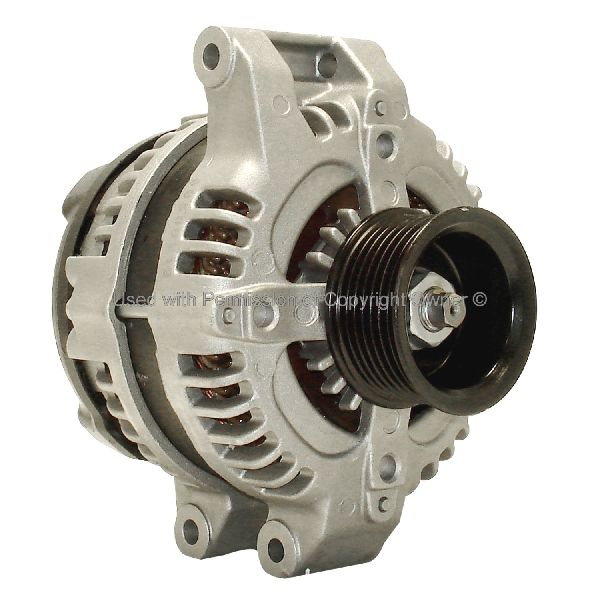
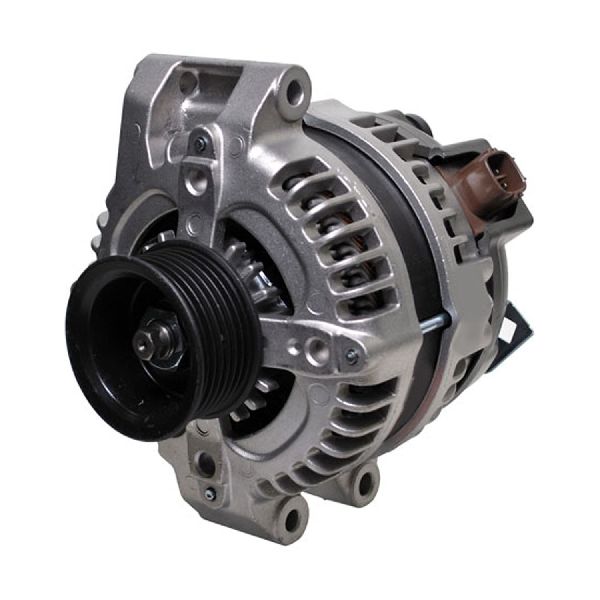
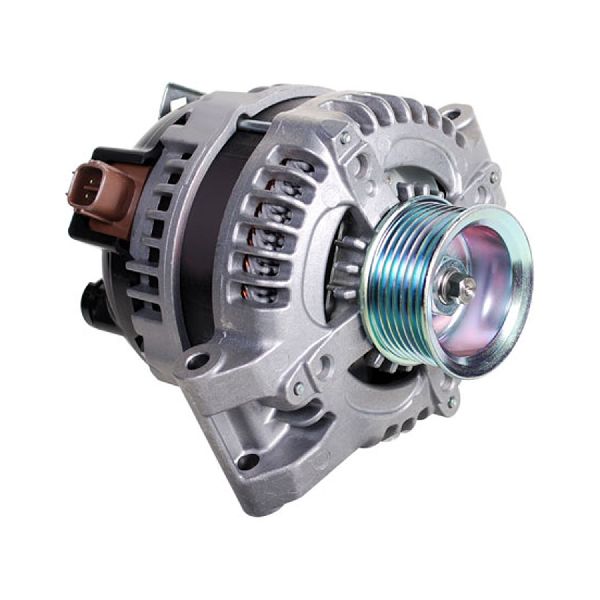
Amperage ratings vary by year and engine. Common ratings include 80A for 4-cylinder models (1998-2002), 105A for V6 models (1998-2002), and up to 130A for later V6 models (2008-2010). Rotation is typically counterclockwise. Pulley type is either a V-belt or a multi-groove serpentine belt depending on the generation.
We Have This Part in Stock

The information in this article is provided for general reference and educational purposes only. Vehicle specifications, procedures, and part compatibility can vary by production date, trim level, and region. Always consult your vehicle's factory service manual and verify part numbers before purchasing or performing repairs. Safety-critical components such as airbags, seat belts, and braking systems should be installed by a qualified professional.
- Honda Accord: