

A/C Condenser Guide for the 1994-2010 Mazda B4000
Everything you need to know before replacing the A/C condenser on your Mazda B4000 truck.
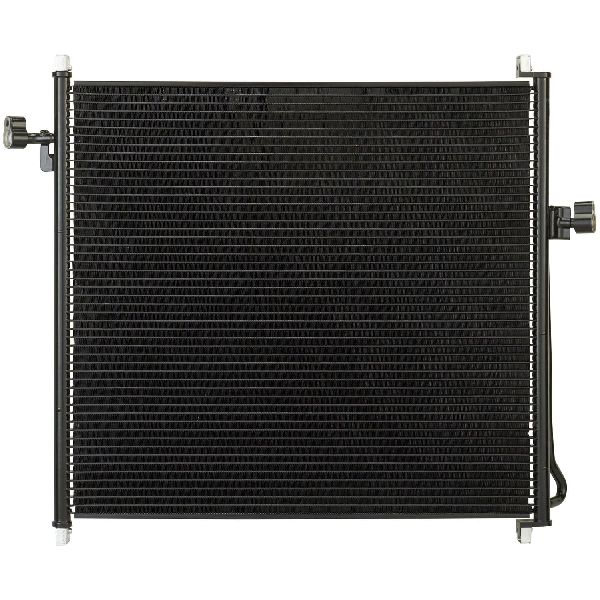
- A bad condenser is a very common reason for A/C failure on the B4000, usually from road debris damage or corrosion.
- You must replace the accumulator/drier and orifice tube any time you replace the condenser to prevent future failures.
- While you can replace the part yourself, the law requires a certified shop to evacuate and recharge the refrigerant.
- For this truck, a quality aftermarket condenser provides similar performance to OEM for a much lower cost.
Is Your Mazda B4000 A/C Blowing Hot Air?
If the air conditioning in your Mazda B4000 isn't as cold as it used to be, or if it only blows warm air, a failing A/C condenser is a likely culprit. Because it's mounted at the front of the truck, the condenser is exposed to road debris like rocks and dirt, which can cause punctures or blockages. Over time, corrosion can also cause small leaks to form.
Common Symptoms of a Bad A/C Condenser
- Warm Air from Vents: This is the most common sign. A leaking or clogged condenser can't cool the refrigerant, resulting in poor A/C performance. 🎬 See this troubleshooting guide to diagnose your A/C issues.
- A/C Works While Driving, But Not at a Stop: If the A/C gets warm in traffic but cools down on the highway, it could mean the condenser isn't getting enough airflow from a failing fan clutch or electric fan (on newer models). It can also be a sign the condenser is dirty.
- Visible Leaks: You might see a greasy or oily residue on the condenser's surface. This is refrigerant oil escaping with the refrigerant gas. If UV dye has been added to the system, leaks will glow bright green under a blacklight.
- Engine Overheating at Low Speeds: A condenser that is severely clogged with dirt and debris can block airflow to the engine's radiator, causing the truck to run hot in stop-and-go traffic.
A Note on Compressor Failure
On these trucks, a major failure of the A/C compressor can send metal shavings and sludge throughout the system, which will clog the new condenser and cause it to fail quickly. If your compressor has failed, it is critical to replace the compressor, accumulator/drier, and orifice tube along with the condenser, and to have the entire system professionally flushed.
Choosing an Aftermarket A/C Condenser
For a vehicle like the 1994-2010 Mazda B4000, aftermarket condensers offer good value and are widely available. Since the B4000 is a rebadged Ford Ranger, many parts are identical. OEM parts can be expensive and may not offer a significant quality advantage for this component.
- Spectra Premium: Often considered a reliable aftermarket brand, Spectra condensers are known for good fit and quality that is comparable to OEM.
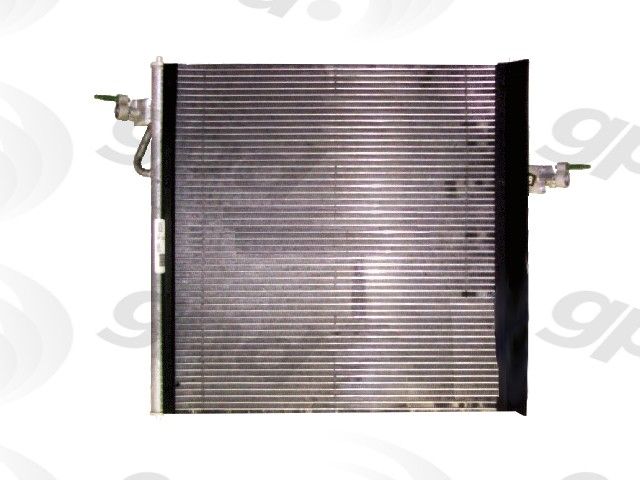
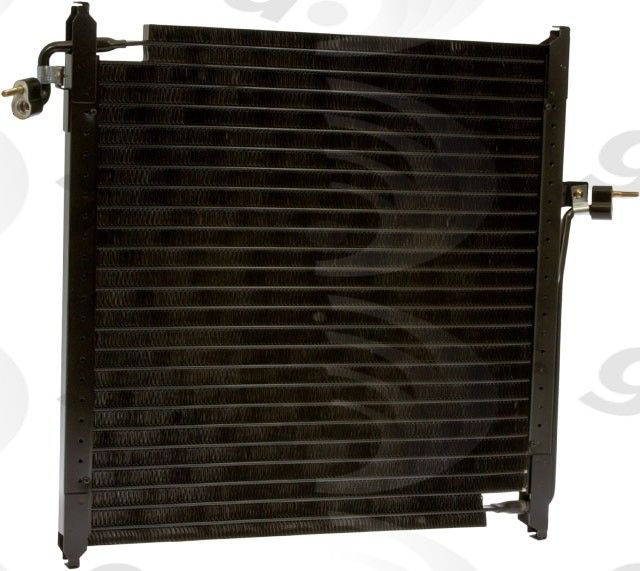
- Global Parts Distributors (GPD): GPD is a large national brand offering a wide range of A/C components. Their condensers are durability-tested and designed to meet or exceed original equipment standards.
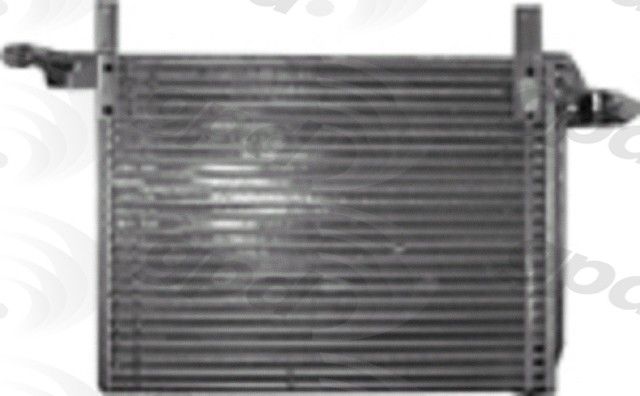
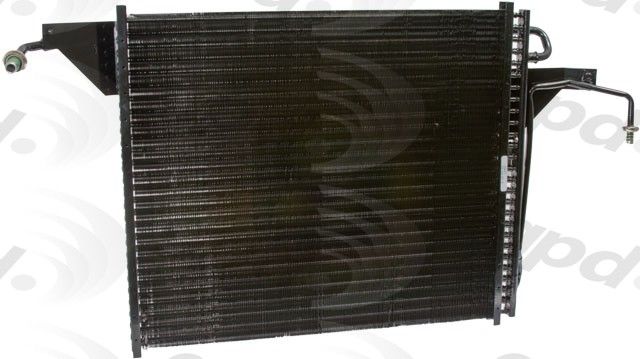
- APDI: This brand is a more budget-focused option. While they meet basic fitment needs, some professional and user reviews mention that the materials can feel thinner or cheaper compared to other brands.
- One Stop Solutions: This brand typically falls into the economy category, providing a functional replacement at a low cost.
Pro Tip: When you replace your condenser, you MUST also replace the A/C system's accumulator/drier and orifice tube. Failing to do so can cause your new condenser or compressor to fail and will void the part's warranty. Also, always install new, lubricated O-rings on the A/C line connections to prevent leaks.
A/C Condenser Replacement Cost for Mazda B4000
The cost to replace the A/C condenser can vary based on your location and whether you do the work yourself or hire a professional shop.
| Part/Service | Estimated Cost |
|---|---|
| New Aftermarket Condenser | $107.91 - $160.14 |
| Shop Labor | $110 - $161 |
| A/C Evacuate & Recharge Service | $100 - $200 |
| Total Professional Job | $317 - $521 (plus parts) |
Note: Prices are estimates and do not include taxes, fees, or the cost of related parts like the accumulator and orifice tube.
Frequently Asked Questions
Are there any recalls on the Mazda B4000 A/C condenser?
No, there are no specific recalls for the A/C condenser on the 1994-2010 Mazda B4000 or the equivalent Ford Ranger. While some Mazda models have had Technical Service Bulletins (TSBs) for A/C refrigerant leaks from the condenser due to corrosion, these do not apply to the B-Series trucks.
Can I replace the A/C condenser myself?
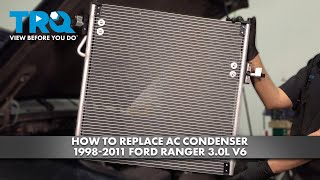
Yes, the physical replacement is possible for a DIY mechanic with moderate experience. The process involves removing the front grille, disconnecting the A/C lines (special tools may be needed), and unbolting the condenser. 🎬 Watch this step-by-step guide on replacing the condenser yourself. However, the A/C system must be legally and safely evacuated by a certified shop before you begin work, and vacuum-tested and recharged by a shop after you are finished.
What is the difference between the condenser and the radiator?
They look similar, but they cool different things. The condenser cools the hot refrigerant gas for the A/C system. The radiator cools the hot liquid coolant for the engine. They are mounted together, with the condenser sitting in front of the radiator.
Do I need to add oil when I replace the condenser?
Yes. When a condenser is replaced, a specific amount of PAG oil is lost and must be replenished. The exact amount varies by year and system capacity. This is typically handled by the shop during the recharge service, but it's a critical step to ensure the A/C compressor stays lubricated.
My A/C blows hot all the time, even with the temperature dial on cold. Is this the condenser?
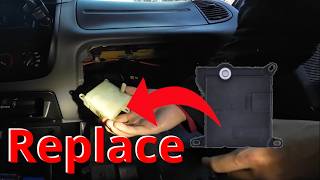
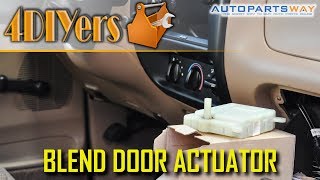
This specific symptom is often caused by a failed blend door actuator, not the condenser. The blend door is a flap inside your dashboard that directs air over the heater core (for heat) or the evaporator (for cold). If it's stuck on the heat side, you will only get hot air regardless of the A/C system's condition.
🎬 Learn how to replace a failed blend door actuator.Helpful Videos
Technical Specifications
The Mazda B4000 shares its A/C condenser with the Ford Ranger. Fitment can be specific based on model year and transmission type, so always verify compatibility before ordering. The system uses R-134a refrigerant.
We Have This Part in Stock


The information in this article is provided for general reference and educational purposes only. Vehicle specifications, procedures, and part compatibility can vary by production date, trim level, and region. Always consult your vehicle's factory service manual and verify part numbers before purchasing or performing repairs. Safety-critical components such as airbags, seat belts, and braking systems should be installed by a qualified professional.
- Mazda B4000: