

Choosing the Right Rear Brake Drums for Your 1994-2010 Mazda B4000
Avoid the common mistake of ordering the wrong size—learn how to get the right brake drums for your truck the first time.
- You MUST confirm if your truck has 9-inch or 10-inch rear drums before ordering.
- Always replace brake drums in pairs, and install new brake shoes and hardware at the same time for safety and performance.
- No specific recalls or TSBs were issued for the brake drums on this vehicle.
- Reputable aftermarket brands like Raybestos, ACDelco, and Bendix offer quality that meets or exceeds original equipment standards.
Symptoms of a Failing Brake Drum
Brake drums are thick and meant to last, but they do wear out or fail. When they do, your truck will give you warning signs. Ignoring them is a risk to your safety.
- Pulsing or Vibration: If you feel a pulsing in the brake pedal or a vibration from the rear of the truck when braking, the drums may be "out-of-round." This means their circular shape is distorted, causing uneven contact with the brake shoes.
- Scraping or Grinding Noises: A loud scraping or metallic grinding sound from the rear wheels points to a serious problem. It could mean the brake shoes are completely worn away and metal is grinding against the drum, or the drum itself is damaged.
- Poor Parking Brake Performance: If your parking brake doesn't hold the truck securely, it's often due to worn-out shoes or drums that are worn beyond their maximum diameter.
- Visible Damage: A visual inspection might show deep grooves (scoring) or cracks on the inside surface of the drum. A blueish tint indicates the drum has been overheated, which can warp it and reduce its stopping power.
The Most Common Ordering Mistake: 9-Inch vs. 10-Inch Drums
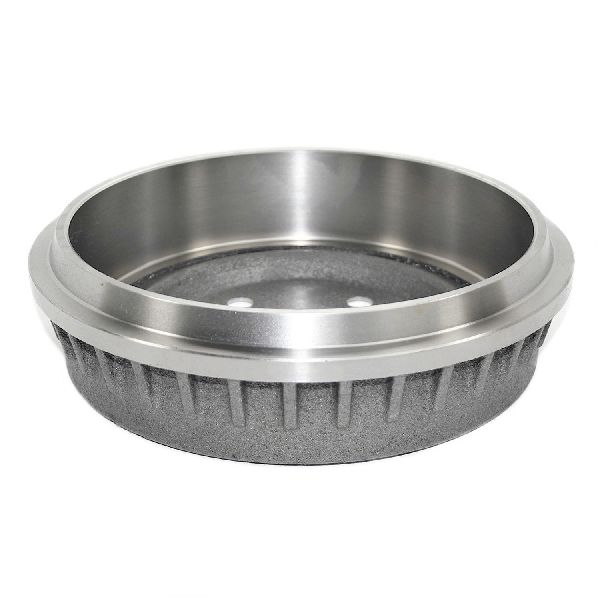
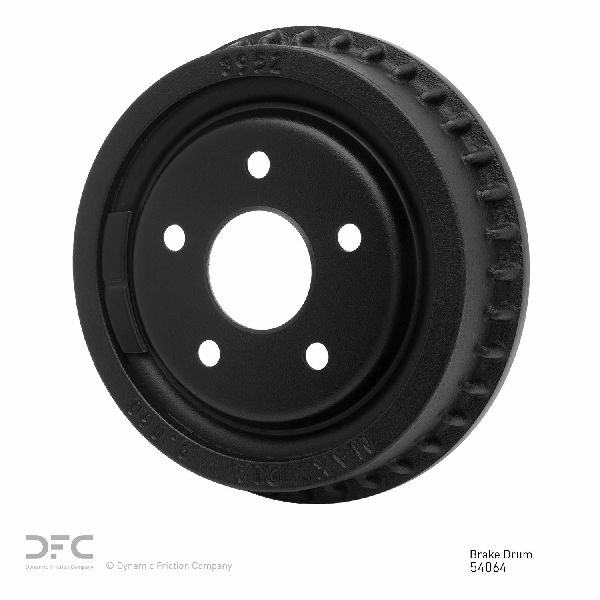
The single most important thing to know when buying new brake drums for your B4000 is the size. Throughout its model years, the B4000 (and its twin, the Ford Ranger) was equipped with either 9-inch or 10-inch rear brake drums. Ordering the wrong size is a common and frustrating mistake. There is no substitute for measuring. Before you order, you must confirm what size your truck has. You can often find the diameter stamped on the outside of your existing drum. If not, you will need to remove the wheel and measure the inside diameter of the drum.
Choosing the Right Aftermarket Brake Drum
Since the Mazda B4000 is mechanically identical to the Ford Ranger, parts availability is excellent. The original equipment (OEM) drums were good quality, but modern aftermarket parts from reputable brands meet or exceed those standards. Here’s a breakdown of the brands available.
Brand Quality Tiers
- Premium & Heavy-Duty Brands (ACDelco, Bendix, Raybestos): These brands are well-regarded for quality and durability. Raybestos, for example, uses high-quality G3000 iron and designs parts to match original equipment fit and function. These are an excellent choice if you frequently haul heavy loads or want the best possible performance and longevity.
- Daily-Driver Standard Brands (Centric, Dynamic Friction, Powerstop, Pronto): These brands offer a great balance of quality and value for normal, everyday use. They are reliable replacements that will restore your truck's braking performance to factory levels. Powerstop is often associated with performance-oriented kits, which may include shoes and hardware.
Pro Tip: Always Replace in Pairs
Always replace brake drums in pairs (both rear wheels) to ensure even braking performance. Also, it is highly recommended to replace the brake shoes and the spring hardware at the same time you replace the drums. This ensures all components are fresh and wear evenly together.
| Part Type | Typical Price Range (Per Drum) | Notes |
|---|---|---|
| New Aftermarket | $59.48 - $107.83 | Price varies by brand and whether it's a 9-inch or 10-inch drum. |
| New OEM (Motorcraft) | $80 - $150 | Excellent quality, but often at a higher price for similar performance to premium aftermarket. |
| Shop Labor | $150 - $250 | For replacement of both rear drums and shoes. |
Frequently Asked Questions
How do I know if I need 9-inch or 10-inch brake drums?
You must physically check your vehicle. The size is often stamped on the outside of the drum. If not, remove a rear wheel and measure the inside diameter of the drum from edge to edge. Do not rely on online fitment guides alone.
Should I replace my brake shoes and hardware with the drums?
Yes, absolutely. Installing old shoes with new drums can cause noise, premature wear, and reduced performance. A hardware kit is inexpensive and replaces the springs and clips that can get weak and rusty over time, ensuring your new brakes work correctly.
Can I replace just one brake drum?
No. Brake components should always be replaced in pairs on the same axle. Replacing only one side will cause uneven braking, which is dangerous and can cause the vehicle to pull to one side during braking.
Were there any recalls on the B4000 brake drums?
No. Searches of the NHTSA database and other public records show no recalls or technical service bulletins (TSBs) specifically for brake drum failure on the 1994-2010 Mazda B4000. The most significant recalls for this truck relate to Takata airbags.
Technical Specifications
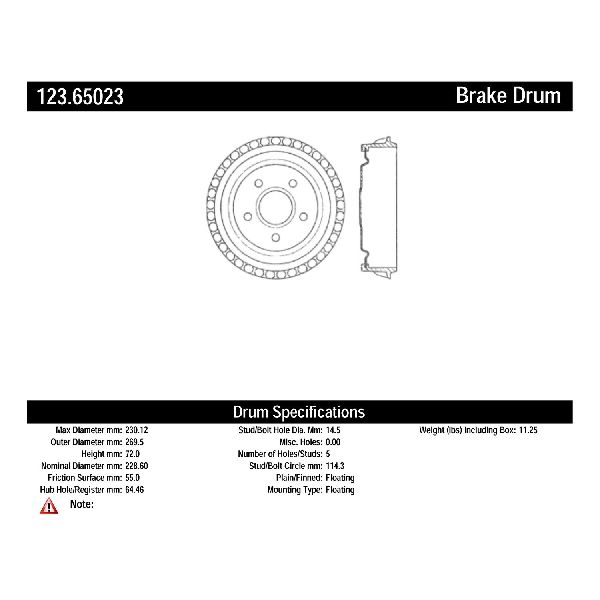
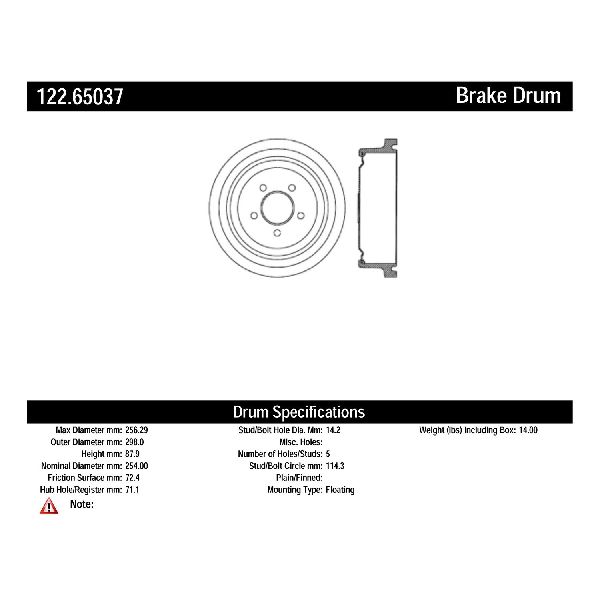
The most critical specification is the inside diameter, which will be either 9 inches or 10 inches. The bolt pattern is 5-lug. Always verify your specific vehicle's drum size before purchasing.
We Have This Part in Stock
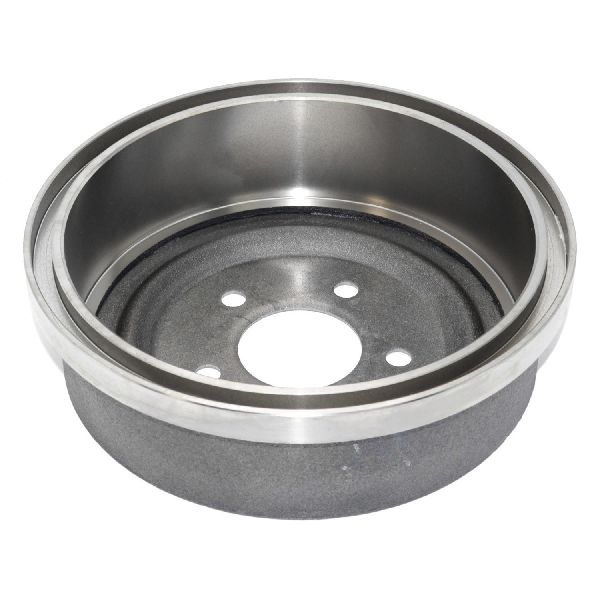
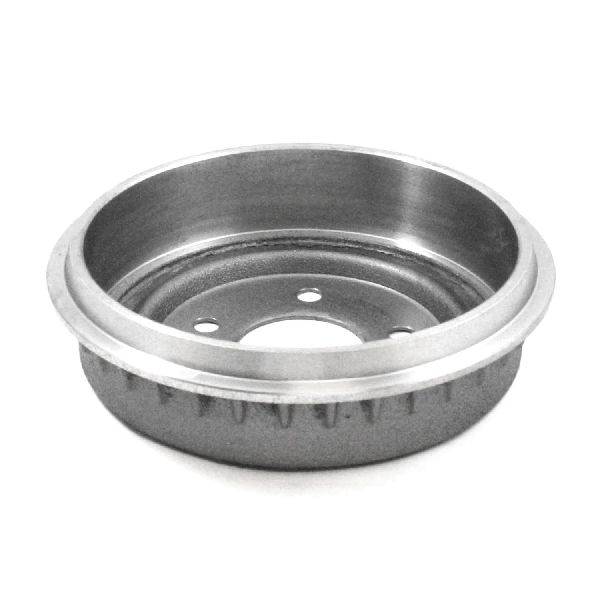

The information in this article is provided for general reference and educational purposes only. Vehicle specifications, procedures, and part compatibility can vary by production date, trim level, and region. Always consult your vehicle's factory service manual and verify part numbers before purchasing or performing repairs. Safety-critical components such as airbags, seat belts, and braking systems should be installed by a qualified professional.
- Mazda B4000: