

A Guide to Replacing Drum Brake Shoes on the 1994-2010 Mazda B4000
Everything you need to know before you buy and replace the rear drum brake shoes on your truck.
- Verify your drum size (9-inch or 10-inch) before ordering parts, as it varies by model year and drivetrain.
- Always replace brake shoes, hardware kits, and drums (or have drums resurfaced) at the same time for a complete and safe repair.
- Be prepared for installation challenges; stuck parking brake cables and tight drum fitment are common issues on these trucks.
- For this vehicle, reputable aftermarket brands like Wagner, Bendix, and Centric offer excellent quality and value compared to OEM parts.
Signs of Failing Drum Brake Shoes
Your Mazda B4000's rear drum brakes will give you clear warning signs when the shoes are worn out. Ignoring them can lead to more expensive repairs down the road. Look out for these common symptoms:
- Scraping or Grinding Noises: A metal-on-metal grinding sound from the rear wheels when you brake is a critical sign. This means the friction material is completely gone, and the shoe's metal backing is grinding against the drum.
- Reduced Stopping Power: If your truck takes longer to stop or you have to press the brake pedal harder than usual, your rear shoes may be worn out. The front brakes do most of the work, but worn rear shoes will noticeably impact overall performance.
- Spongy or Low Brake Pedal: When shoes wear down, the wheel cylinders have to push their pistons further out. This can make the brake pedal feel soft, spongy, or travel closer to the floor.
- Parking Brake Issues: A parking brake that doesn't hold the truck securely or a lever that pulls up much higher than it used to can indicate worn or out-of-adjustment rear shoes.
Known Vehicle-Specific Issues
The 1994-2010 Mazda B4000 is mechanically identical to the Ford Ranger. Owners and mechanics frequently report a few common issues during drum brake replacement:
- Sticking Parking Brake Cable: The parking brake cable can corrode and fail to fully release, causing the new shoes to drag against the drum. This also makes it very difficult to fit the new drum over the new shoes. Always check for free movement of the parking brake lever on the backing plate.
- Self-Adjuster Problems: The automatic adjuster mechanism can seize or its cable can break, preventing the shoes from maintaining the proper clearance as they wear. It is highly recommended to replace all hardware with a new kit during a shoe replacement.
- Fitment of New Drums: Many DIYers report that new drums are extremely tight or impossible to install over new shoes. This is often caused by a stuck parking brake cable or incorrect assembly of the springs. Make sure the star adjuster is fully retracted before trying to install the drum.
Safety Recall Note for 1994 Models: A recall (NHTSA 96V-024) was issued for 1994 B-Series trucks for brake booster studs that could fracture, potentially causing the master cylinder to detach. While not a shoe issue, it's a critical safety check for owners of that model year.
Choosing the Right Aftermarket Drum Brake Shoes
For a vehicle like the 1994-2010 B4000, high-quality aftermarket brake shoes often meet or exceed the original factory quality. The key is to choose a reputable brand. Here’s a breakdown of available brands to help you decide.
Standard & OEM-Quality Brands
These brands are trusted by professional mechanics and offer reliable, everyday performance that is equivalent to the parts your truck came with from the factory.
- Wagner Brakes: A top name in the industry, known for quality and durability. Their shoes are a solid choice for a stock replacement.
- Bendix: Another highly-regarded brand offering excellent performance. Some users prefer Bendix for producing less dust than other brands.
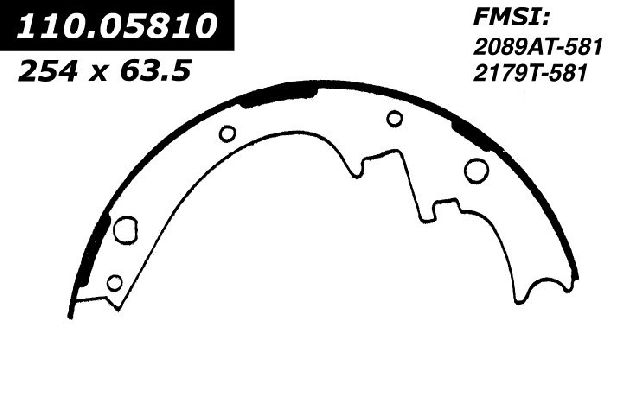
- Centric: A leading aftermarket supplier that provides quality parts. They are a popular and dependable option.
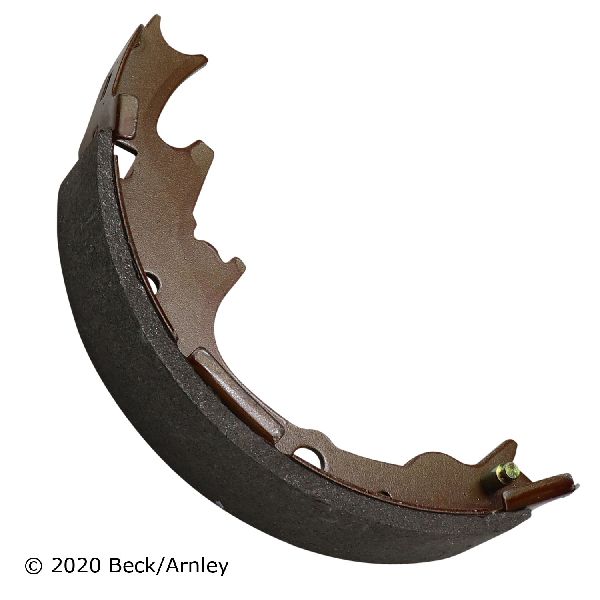
- Beck Arnley: This brand specializes in sourcing parts that match the original equipment (OE) manufacturer. They are a great choice if you want to stick as close to factory specifications as possible.
Performance & Premium Brands
If you frequently tow or carry heavy loads, a premium or performance-oriented shoe can offer better stopping power and fade resistance.
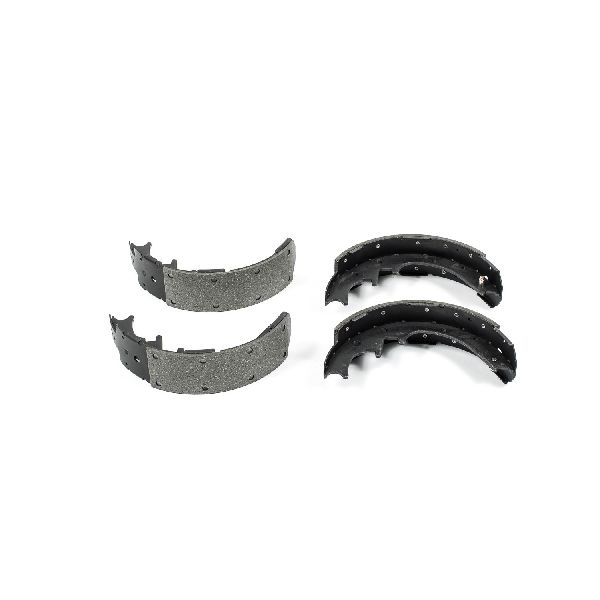
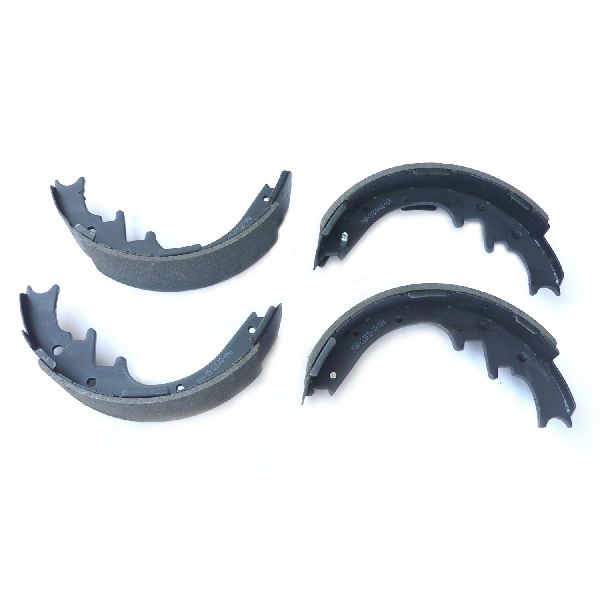
- Powerstop: Known for performance upgrade kits. Their shoes often feature semi-metallic compounds that are heat-treated (post-cured) for increased braking power right out of the box.
Economy Brands
These brands meet safety standards and are a good choice for budget-conscious repairs on a daily-driven truck.
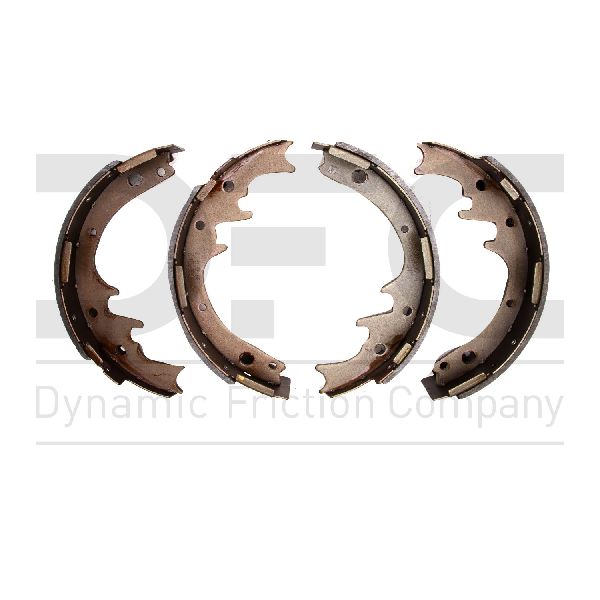
- Dynamic Friction: Offers a range of brake products that provide a balance of performance and value.
- Total Stopping Solutions: Provides cost-effective brake components for general use.
Pro Tip: Always Replace Hardware and Inspect Drums
When you replace your brake shoes, it is critical to also replace the springs, clips, and adjusters with a new hardware kit. Old springs lose tension and can cause noise or improper shoe retraction. At the same time, have your brake drums inspected. If they have deep grooves or are worn beyond the maximum diameter stamped on the drum, they must be replaced. Machining (resurfacing) is only an option if the drum is still within its service limits.
Cost to Replace Mazda B4000 Drum Brake Shoes
| Part or Service | Estimated Cost Range |
|---|---|
| Aftermarket Drum Brake Shoe Set | $39 - $84 |
| Drum Brake Hardware Kit | $15 - $30 |
| New Brake Drums (Pair) | $80 - $150 |
| Shop Labor (Shoes & Drums) | $250 - $450 |
| Total Professional Job (Parts & Labor) | $400 - $700+ |
Cost estimates are for both rear wheels and can vary based on your location, the specific parts chosen, and the condition of your vehicle.
Frequently Asked Questions (FAQ)
Do I need to replace both sides at the same time?
Yes, absolutely. Brake shoes must always be replaced in pairs on the same axle to ensure even braking power and prevent the vehicle from pulling to one side.
What size brake shoes do I need? 9-inch or 10-inch?
The Mazda B4000 was equipped with either 9-inch or 10-inch rear drum brakes depending on the year and specific configuration (e.g., 4WD vs. 2WD). It is essential to verify which size your truck has before ordering parts. You can often tell by looking at the drum itself; 10-inch drums typically have fins on the outside for cooling, while 9-inch drums are usually smooth.
Is replacing drum brake shoes a good DIY project?
It can be, but it is considered an advanced DIY task. Unlike disc brakes, drum brakes have many small springs and clips that must be installed in a specific order. If you are not experienced, it can be frustrating. A pro-tip is to only disassemble one side at a time, leaving the other side intact as a visual reference.
Should I get organic or semi-metallic brake shoes?
For a truck like the B4000, semi-metallic shoes are generally a better choice. They offer better performance under heat and load, which is beneficial for hauling or towing. Organic shoes are quieter but may not provide the same level of stopping power.
Technical Specifications
OEM Part Numbers: 3L5Z-2200-DA
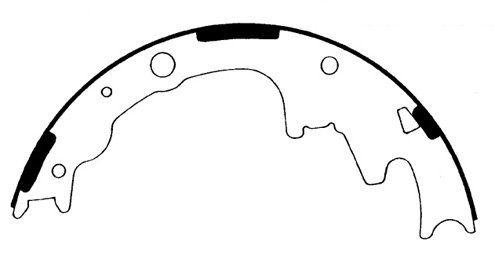
Varies between 9-inch and 10-inch diameter shoes. Check vehicle specifications before purchase.
We Have This Part in Stock

The information in this article is provided for general reference and educational purposes only. Vehicle specifications, procedures, and part compatibility can vary by production date, trim level, and region. Always consult your vehicle's factory service manual and verify part numbers before purchasing or performing repairs. Safety-critical components such as airbags, seat belts, and braking systems should be installed by a qualified professional.
- Mazda B4000:
- 🛍️ Shop This Part
- Signs of Failing Drum Brake Shoes
- Known Vehicle-Specific Issues
- Choosing the Right Aftermarket Drum Brake Shoes
- Standard & OEM-Quality Brands
- Performance & Premium Brands
- Economy Brands
- Pro Tip: Always Replace Hardware and Inspect Drums
- Cost to Replace Mazda B4000 Drum Brake Shoes
- Frequently Asked Questions (FAQ)
- 🎟️ Get 5% Off