

Chevrolet Chevy 1994-2012 Engine Coolant Temperature Sensor: A Complete Guide
Understand the symptoms of a bad coolant sensor and learn how to choose the right aftermarket replacement for your Chevy.
- A bad ECT sensor on a 1994-2012 Chevy can cause a check engine light, poor MPG, overheating, and black smoke.
- Common fault codes include P0117, P0118, and P0128.
- Replacement is a simple DIY task, often taking less than 30 minutes with basic tools.
- High-quality aftermarket brands like NGK or Standard Ignition offer a reliable and cost-effective alternative to OEM parts.
Is Your Chevy's Coolant Temp Sensor Failing?
A faulty Engine Coolant Temperature (ECT) sensor can cause a surprising number of problems in 1994-2012 Chevrolet vehicles. Because the sensor's reading affects so many engine functions, a bad signal can lead to poor performance and drivability issues. Ignoring these symptoms can lead to reduced fuel efficiency and potentially more serious engine problems.
Symptoms of a Bad ECT Sensor on a Chevrolet
If your ECT sensor is going bad, your truck or car will likely give you some clear warning signs. Here’s what to look for:
- Check Engine Light: This is often the first sign. A scanner will typically show codes like P0117 (sensor circuit low), P0118 (sensor circuit high), or P0128 (coolant temperature below thermostat regulating temperature).
- Poor Fuel Economy: If the sensor incorrectly tells the computer the engine is cold, the computer will enrich the fuel mixture, causing your Chevy to use more gas than necessary.
- Black Smoke from Exhaust: A very rich fuel mixture can result in unburnt fuel leaving the engine, which looks like black smoke coming from your tailpipe.
- Engine Overheating: A faulty sensor might fail to signal the computer to turn on the cooling fans when needed, leading to the engine running too hot.
- Rough Idle or Stalling: The engine may run poorly, shake, or stall because the air-fuel mixture and idle speed aren't correct for the actual engine temperature.
Can You Drive with a Bad ECT Sensor?
You can usually drive your vehicle, but it's not recommended for long. A faulty sensor can cause poor fuel economy, increased emissions, and unpredictable engine behavior. In a worst-case scenario, it could lead to overheating, which can cause severe engine damage. It's best to address the issue as soon as possible.
Choosing the Right Aftermarket ECT Sensor
For many sensors on these Chevrolet vehicles, you don't need to pay for a dealership OEM part to get good quality. Many aftermarket brands offer reliable replacements that meet or exceed original specifications. However, quality can vary, so it's helpful to understand the different tiers of brands available.
Aftermarket Brand Tiers
Tier 1: Premium Aftermarket (OEM-Equivalent)
- NGK/NTK: A top-tier brand well-known for the quality and reliability of its engine management sensors.
- Standard Ignition (SMP): A long-standing, reputable brand in the aftermarket world, often considered a go-to for reliable electronic parts.
Tier 2: Standard Aftermarket (Reliable Replacements)
- Motorad: A well-known brand that produces a wide range of cooling system components, including sensors that meet OEM specifications.
- Walker Products: This brand focuses on fuel delivery and engine management parts, and promotes its sensors as being direct OE-fit replacements.
Tier 3: Economy Brands
- True Tech: These sensors are designed to be a cost-effective solution. While they will function, they may not have the same long-term durability or precise calibration as higher-tier brands.
A Note on OEM vs. Aftermarket
While OEM parts from ACDelco or GM are a safe choice, some owners report that even new OEM sensors can have accuracy issues, as many are sourced from the same overseas factories as aftermarket parts. For a part like the ECT sensor, a high-quality aftermarket brand like NGK or Standard Ignition often provides the best balance of price and reliability.
Estimated Costs for ECT Sensor Replacement
| Part/Service | Estimated Cost |
|---|---|
| New Aftermarket ECT Sensor | $16 - $32 |
| New OEM ECT Sensor | $25 - $60 |
| Shop Labor | $90 - $200 |
| Total Professional Replacement | $115 - $260 |
Costs are estimates and may vary based on your vehicle's specific engine, your location, and the repair shop.
Frequently Asked Questions
Where is the ECT sensor located on my 1994-2012 Chevy?
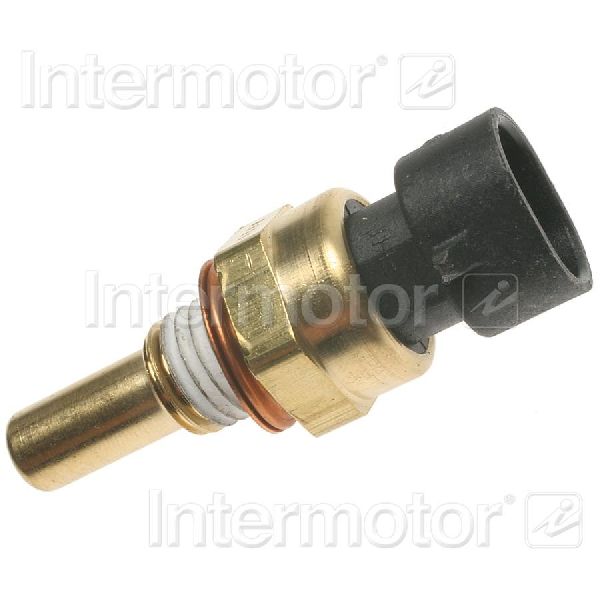
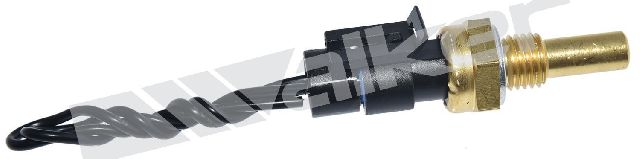
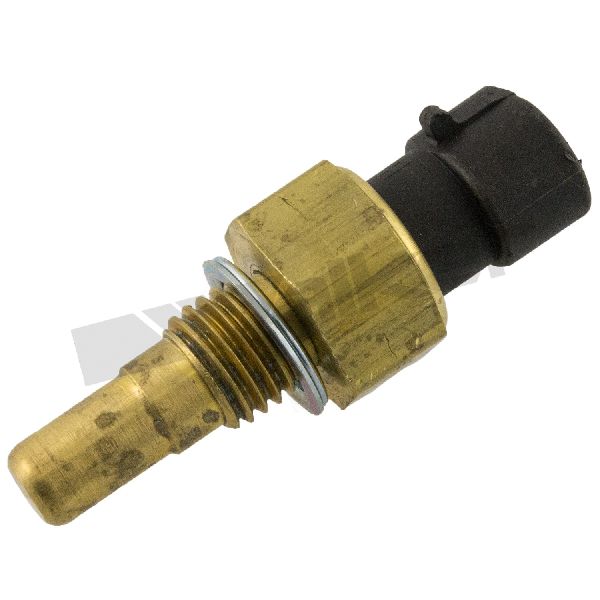
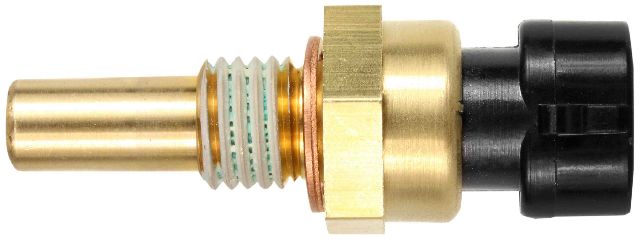
The location can vary slightly by engine, but on most V8 and V6 engines of this era (like the 4.3L, 5.0L, 5.7L, and 5.3L), the primary ECT sensor is located on the driver's side cylinder head, between the front two spark plugs. It's a small brass sensor with a two-wire electrical connector. Some older models may have a second, single-wire sensor for the dashboard temperature gauge.
Can I replace the ECT sensor myself?
Yes, this is a very DIY-friendly job for most home mechanics. The sensor is usually easy to access. The basic steps involve letting the engine cool completely, placing a drain pan to catch a small amount of coolant, unplugging the electrical connector, and using a deep socket or wrench (often 19mm) to unscrew the old sensor and install the new one. The whole process typically takes less than 30 minutes.
Do I need to drain all the coolant to replace the sensor?
No, you do not need to drain the entire cooling system. The sensor is typically located high up on the engine. You will lose a small amount of coolant when you remove the old sensor. To minimize loss, have the new sensor ready to screw in quickly after you remove the old one. Always top off the coolant level after the job is done and check for leaks.
Are there any recalls for this part?
Searches of the NHTSA database did not show any widespread, specific recalls for the engine coolant temperature sensor across the 1994-2012 Chevrolet vehicle lineup. Failures of this part are generally considered a result of normal wear and tear over time.
Technical Specifications
OEM Part Numbers: 19236568 12608814 15326386
Typically a 2-terminal, brass-bodied thermistor sensor. Often requires a 19mm deep socket or wrench for removal and installation.
We Have This Part in Stock


The information in this article is provided for general reference and educational purposes only. Vehicle specifications, procedures, and part compatibility can vary by production date, trim level, and region. Always consult your vehicle's factory service manual and verify part numbers before purchasing or performing repairs. Safety-critical components such as airbags, seat belts, and braking systems should be installed by a qualified professional.
- Chevrolet Chevy:
- 🛍️ Shop This Part
- Is Your Chevy's Coolant Temp Sensor Failing?
- Symptoms of a Bad ECT Sensor on a Chevrolet
- Can You Drive with a Bad ECT Sensor?
- Choosing the Right Aftermarket ECT Sensor
- Aftermarket Brand Tiers
- A Note on OEM vs. Aftermarket
- Estimated Costs for ECT Sensor Replacement
- Frequently Asked Questions
- 🎟️ Get 5% Off