

1995 Suzuki Samurai Hazard Warning Flasher Replacement Guide
Get your turn signals and hazard lights working again with the right replacement flasher.
- The hazard flasher controls both turn signals and emergency lights on the 1995 Samurai.
- Failure symptoms include no lights, lights staying on solid, or rapid flashing.
- Before replacing, always check your fuses and bulbs first to rule out simpler issues.
- Replacement is very easy and located under the driver's side dash; it's a plug-and-play part.
Is Your Samurai's Flasher Failing?
For a simple vehicle like the 1995 Suzuki Samurai, the electronics are usually reliable, but parts can wear out. The hazard flasher is a common failure point that can leave you without working turn signals or emergency lights. Symptoms are usually very clear and shouldn't be ignored, as working signals are required for safety and vehicle inspections.
Common Symptoms of a Bad Flasher
- No Turn Signals or Hazards: The most obvious sign is when neither the turn signals nor the hazard lights work at all.
- Lights Stay On (No Flash): If you activate the signals and the lights come on but don't blink, the flasher has likely failed.
- Signals Flash Too Fast or Too Slow: An incorrect flashing speed, often called "hyper-flashing," points to a problem with the flasher relay or an incompatible bulb.
- Only One Function Works: Sometimes the turn signals will stop working, but the hazards still do, or vice-versa. This can point to an issue in the steering column switch or the flasher itself.
Pro Tip: Check Fuses and Bulbs First
Before you replace the flasher, always check the simple things. Make sure the fuse for the signal circuit isn't blown. Also, confirm that all your turn signal bulbs are working, as a burnt-out bulb can sometimes cause issues, though a completely dead flasher is more common for the symptoms above.
Choosing an Aftermarket Flasher
For a 1995 Samurai, finding a new OEM (Original Equipment Manufacturer) flasher from Suzuki is highly unlikely. Aftermarket parts are the most practical and available solution. Brands like Standard Ignition and True Tech offer direct-fit replacements.
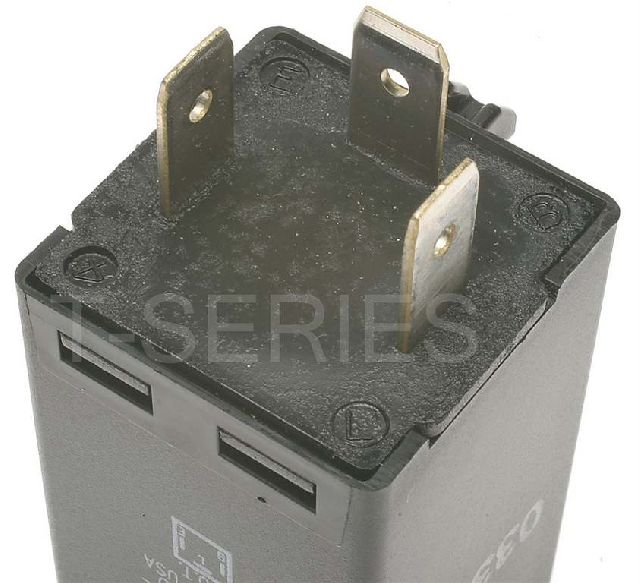
- Standard Ignition (Standard T-Series): Often considered a reliable aftermarket brand, Standard Motor Products designs its parts to meet original equipment specifications for fit and function. They are a common choice in professional repair shops.
- True Tech: This brand typically represents a more budget-friendly option. For a simple part like a flasher relay on a Samurai, it can be a cost-effective choice that performs the necessary function.
Given the simplicity of the part, either brand should provide a workable solution. The key is ensuring the part is listed as a direct replacement for the 1995 Suzuki Samurai to ensure the pin configuration is correct.
A Note on LED Bulbs
If you have upgraded your Samurai's turn signal bulbs to LEDs, you will need a special electronic flasher designed for LEDs. Standard thermal flashers rely on the electrical resistance of incandescent bulbs to work. Using a standard flasher with LED bulbs will cause hyper-flashing. The parts in this guide are for vehicles with original-style incandescent bulbs.
Typical Replacement Costs
Replacing the hazard flasher is an inexpensive repair, especially if you do it yourself.
| Part/Service | Estimated Cost |
|---|---|
| New Aftermarket Flasher | $27 - $34 |
| DIY Labor | $0 |
| Shop Labor | $50 - $100 |
Frequently Asked Questions
Where is the hazard flasher located on a 1995 Suzuki Samurai?
The hazard flasher relay is typically located under the driver's side dashboard, near the fuse box or steering column. You can often find it by turning on the hazard lights (if they work intermittently) and listening for the clicking sound.
Is this a difficult part to replace myself?
No, this is a very easy DIY job. It usually involves reaching under the dash, unplugging the old flasher, and plugging the new one in. No special tools are typically required, though you may need to remove a lower dash panel for access. The difficulty is rated as very low.
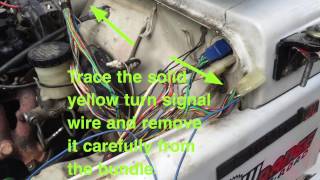
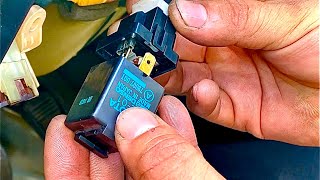
🎬 See this quick walkthrough on replacing a turn signal flasher.My turn signals don't work but my hazards do. Is it still the flasher?
It could be, but this symptom often points to a problem with the turn signal switch in the steering column (also called the combination switch). The hazard switch and turn signal switch can sometimes be on separate circuits feeding into the same flasher. However, since the flasher is an inexpensive and easy part to replace, it's a good first step in troubleshooting.
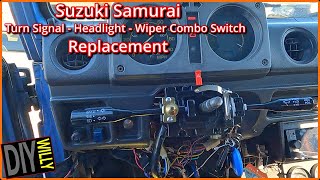
🎬 Watch: How to replace the steering column combination switch.Are there any recalls for the 1995 Suzuki Samurai's hazard flasher?
No, there are no recalls issued by the NHTSA for the 1995 Suzuki Samurai related to the hazard flasher or turn signal system.
Helpful Videos


Technical Specifications
3-Pin Electronic Flasher Relay
We Have This Part in Stock


The information in this article is provided for general reference and educational purposes only. Vehicle specifications, procedures, and part compatibility can vary by production date, trim level, and region. Always consult your vehicle's factory service manual and verify part numbers before purchasing or performing repairs. Safety-critical components such as airbags, seat belts, and braking systems should be installed by a qualified professional.
- Suzuki Samurai: