

1995-1998 Dodge B1500 Engine Coolant Temperature Sensor Guide
Understanding the Engine Coolant Temperature Sensor in your Dodge B1500 is key to solving issues like poor fuel economy and overheating.
- Verify if your van has one or two coolant temperature sensors before buying a replacement.
- A bad sensor can cause poor fuel economy, a Check Engine Light (P0117/P0118), and overheating.
- Replacement is an easy DIY job, but do not use thread sealant tape as it can affect the sensor's ground.
- Investing in a quality aftermarket brand like Delphi, NGK, or Standard Ignition is recommended for reliability.
Is Your B1500 Running Rough? It Could Be the Coolant Sensor.
If your 1995-1998 Dodge B1500 is experiencing issues like bad gas mileage, a rough idle, or an erratic temperature gauge, a faulty Engine Coolant Temperature (ECT) sensor might be the culprit. This sensor's signal is crucial for many engine functions, and when it fails, it can cause a variety of problems that may seem unrelated at first glance. Ignoring a bad ECT sensor can lead to poor performance, wasted fuel, and even severe engine damage from overheating.
Important: One Sensor or Two?
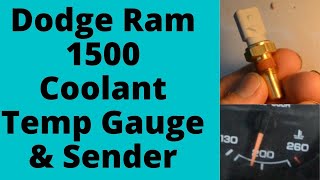
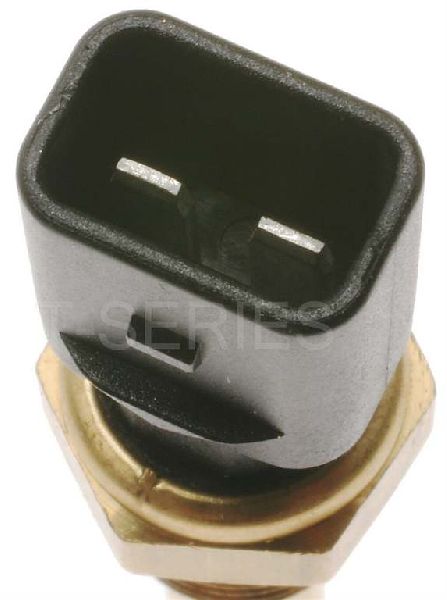
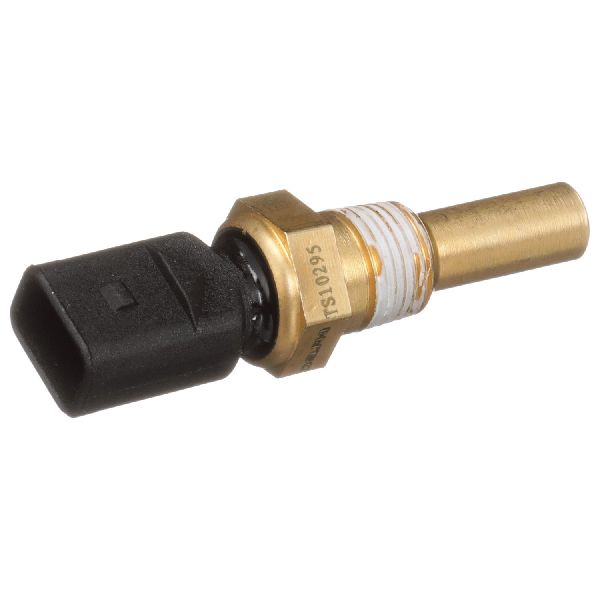
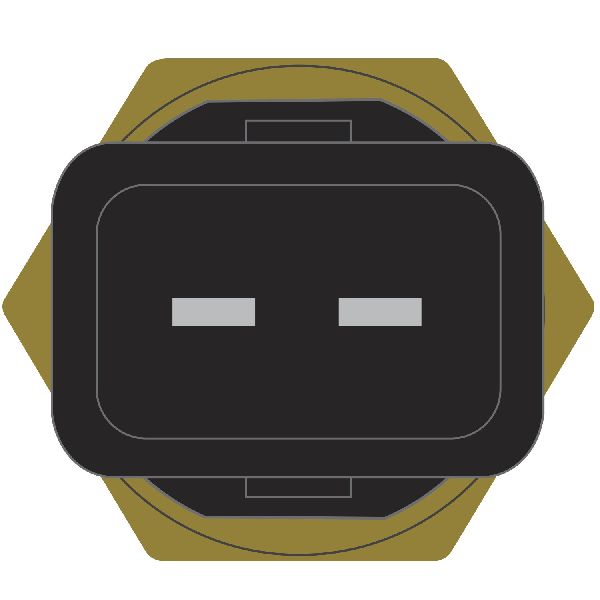
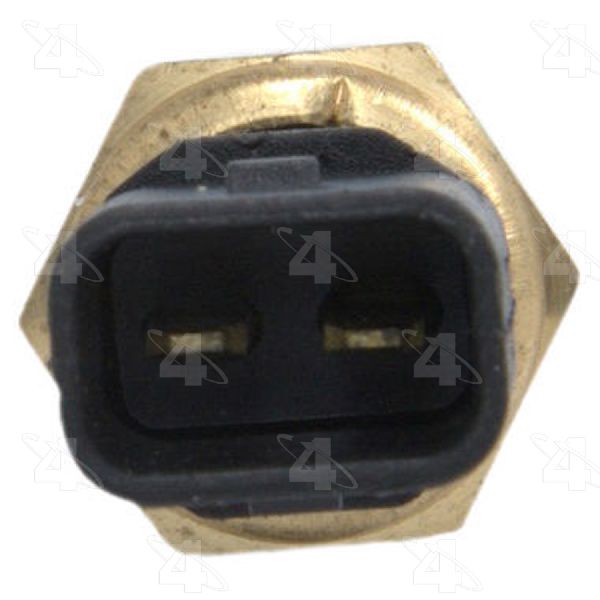
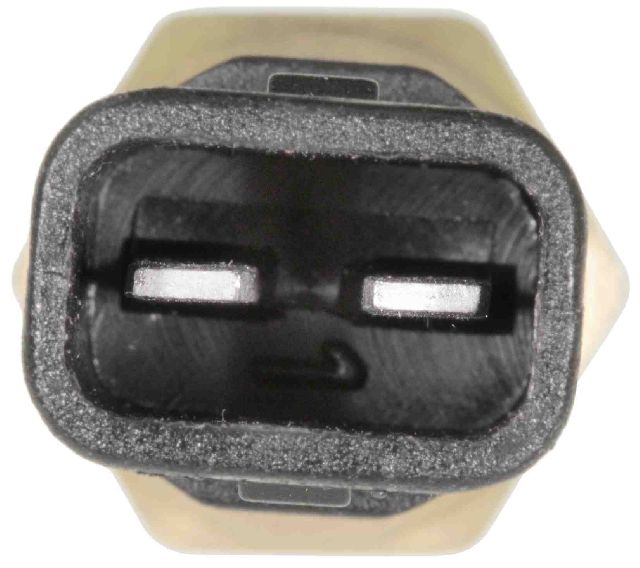
Before ordering a part, it's important to know your van's specific setup. Models from 1995-1997 often have two separate units near the thermostat housing: a two-wire sensor that sends information to the engine computer and a one-wire sender for the dashboard temperature gauge. 🎬 Watch how to identify the gauge sender and sensor units. Later models, around 1998, may use a single, two-wire sensor that performs both functions. Always visually inspect your engine to confirm which setup you have before purchasing a replacement.
Choosing the Right Aftermarket Sensor
When replacing the ECT sensor, you have a choice between the original equipment (OEM) Mopar part and various aftermarket brands. For a critical component like this, quality matters.
- Top-Tier Aftermarket (Delphi, NGK, Standard Ignition): These brands are known for producing high-quality electronic components that meet or exceed OEM specifications. They are a reliable choice for owners who want OEM-level performance and longevity without the higher price tag.
- OEM (Mopar): The Mopar sensor is the original part your van was built with. It guarantees perfect fit and function but comes at a higher cost. The OEM part number is often 56027873 for this application.
- Standard/Economy Aftermarket (Four Seasons, Walker Products, True Tech, etc.): These brands offer a more budget-friendly option. While they can be a good value, they may not have the same long-term durability or precise calibration as premium brands. Given the low cost of even premium aftermarket sensors, investing a few extra dollars for a better brand is often a wise decision.
| Part Type | Estimated Cost |
|---|---|
| New OEM (Mopar) | $79 - $125 |
| New Aftermarket | $7.31 - $65.64 |
| Shop Labor | $50 - $100 |
Installation Tip
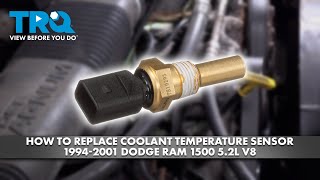
The ECT sensor is located on the front of the engine, threaded into the intake manifold near the thermostat housing, often just behind the alternator. 🎬 See a step-by-step guide for replacing the coolant temperature sensor. While replacement is simple, be careful not to overtighten the new sensor, as this can damage the part or the manifold. Also, avoid using Teflon tape on the threads, as this can interfere with the sensor's ability to ground properly, leading to incorrect readings.
Frequently Asked Questions (FAQ)
Where is the ECT sensor located on my 1995-1998 Dodge B1500?
The sensor (or sensors) is located on the top front of the engine, threaded into the intake manifold near the thermostat housing. You will likely need to remove the air filter housing to get clear access. On many V6 and V8 engines of this era, it's found just behind the alternator.
Do I need to drain the coolant to replace the sensor?
You don't have to drain the entire system, but some coolant will leak out when you remove the old sensor. To minimize the mess, you can partially drain the radiator below the sensor's level. Alternatively, have the new sensor ready to go and swap it in quickly. Place rags underneath to catch any spillage.
What are the common trouble codes for a bad ECT sensor?
The most common Check Engine Light codes are P0117 (Engine Coolant Temperature Circuit Low Input, indicating the computer sees a very high temperature) and P0118 (Engine Coolant Temperature Circuit High Input, indicating the computer sees a very low temperature). You might also see code P0128, which often points to a stuck-open thermostat but can also be caused by a faulty sensor.
Can a bad coolant sensor really cause my van to overheat?
Yes. The ECT sensor is responsible for telling the computer when to turn on the electric cooling fans. If the sensor fails to report that the engine is getting hot, the fans may not activate, leading to overheating, especially in stop-and-go traffic or on hot days.
Helpful Videos
Technical Specifications
OEM Part Numbers: 56027873
For 1995-1997 models, visually confirm if you need the two-wire computer sensor or the one-wire gauge sender. For 1998 models, confirm if you have a single two-wire sensor. The sensor is typically located near the thermostat housing on the intake manifold.
We Have This Part in Stock


The information in this article is provided for general reference and educational purposes only. Vehicle specifications, procedures, and part compatibility can vary by production date, trim level, and region. Always consult your vehicle's factory service manual and verify part numbers before purchasing or performing repairs. Safety-critical components such as airbags, seat belts, and braking systems should be installed by a qualified professional.
- Dodge B1500: