

Dodge B2500 Automatic Transmission Oil Cooler Guide (1995-1998)
Keep your van's transmission safe by understanding common cooler problems and replacement options.
- A recall was issued for the cooler line connectors on 1996-97 models due to a fire risk; check your connections.
- Upgrading to a larger aftermarket cooler from a brand like Hayden is a smart investment to protect the transmission on these heavy vans.
- Clogged cooler lines are a common problem; always flush or check the lines when replacing a cooler or transmission.
- Do not drive if you suspect a major leak or overheating, as complete transmission failure can occur very quickly.
Is Your Transmission Overheating? Signs of a Failing Cooler
Heat is the number one enemy of an automatic transmission. When the oil cooler fails, it can't remove heat from the fluid, leading to serious problems. Watch for these symptoms:
- Transmission Overheating: A dashboard warning light for transmission temperature is a clear sign. If you don't have a light, you might notice the transmission slipping out of gear, especially under load.
- Fluid Leaks: Finding puddles of reddish or dark brown fluid under the front of your van is a common symptom. Leaks can come from the cooler itself or the lines connected to it.
- Burnt Smell: A sharp, burning odor means the transmission fluid is getting too hot and breaking down. This is a serious warning that internal damage is happening.
- Poor Shifting: When the fluid is too hot, it loses its ability to lubricate and create pressure. This can cause delayed, rough, or jerky gear changes.
Vehicle-Specific Issue: Recall and Clogged Lines
There was a safety recall for some 1996-1997 Dodge B-series vans (NHTSA Campaign 97V080000). The original transmission cooler line connectors could fail under high heat, causing the line to detach and spray fluid on the hot exhaust, creating a fire risk. Additionally, owners report that the cooler lines can become clogged with debris from inside the transmission over time, blocking fluid flow and causing overheating. It is wise to check for blockages during any replacement.
Choosing the Right Aftermarket Cooler
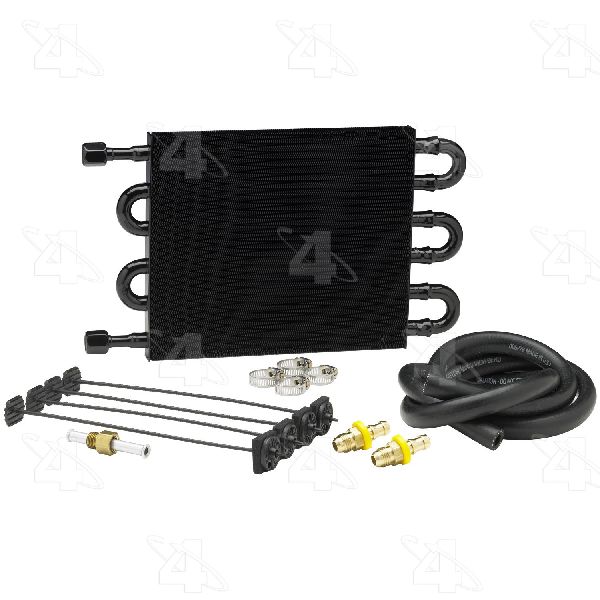
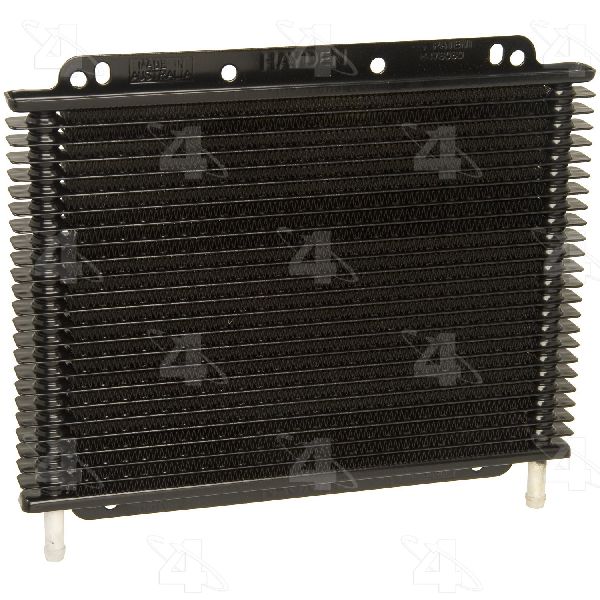
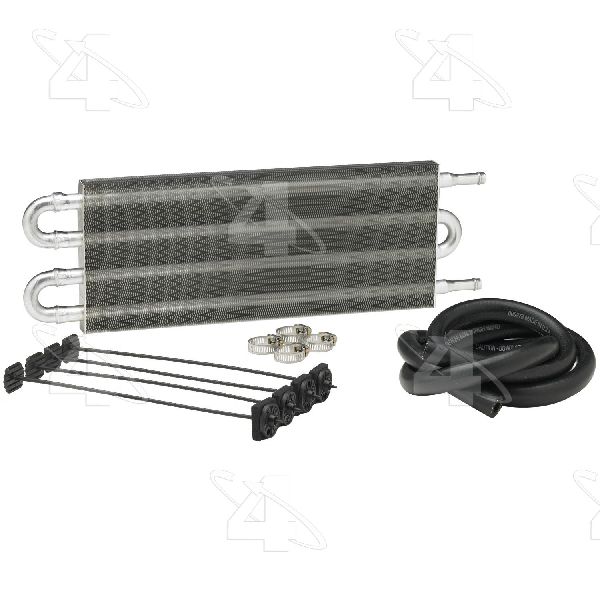
For a 1995-1998 B2500, you don't need to hunt down an expensive or discontinued OEM part. Aftermarket coolers are widely available, affordable, and often an upgrade over the stock unit. Many owners of this van choose to install a larger aftermarket cooler to better protect the transmission, especially if they use their van for work.
Brand Quality: Hayden vs. Four Seasons
When shopping for a new cooler, you'll likely see two main brands: Hayden and Four Seasons.
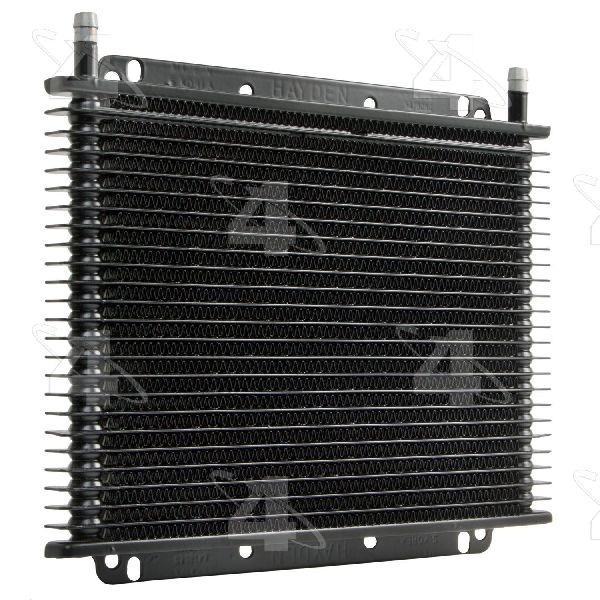
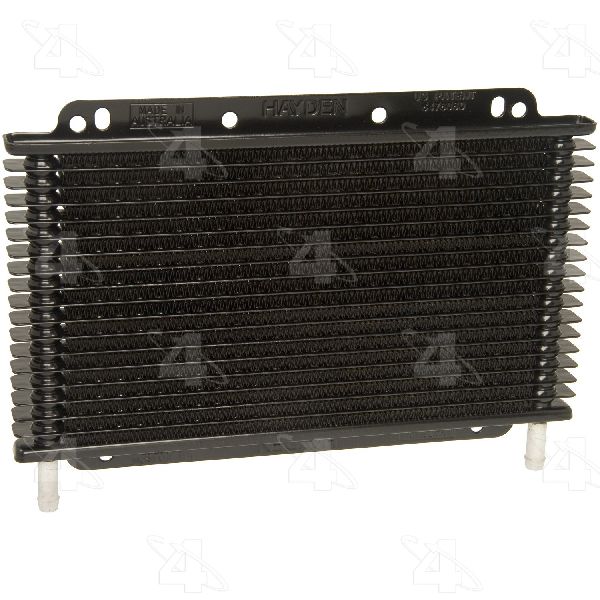
- Hayden: This brand is very well-known and respected for transmission coolers. Forum discussions and mechanic reviews frequently mention Hayden as a reliable, quality choice. They are often considered a go-to for aftermarket cooling solutions.
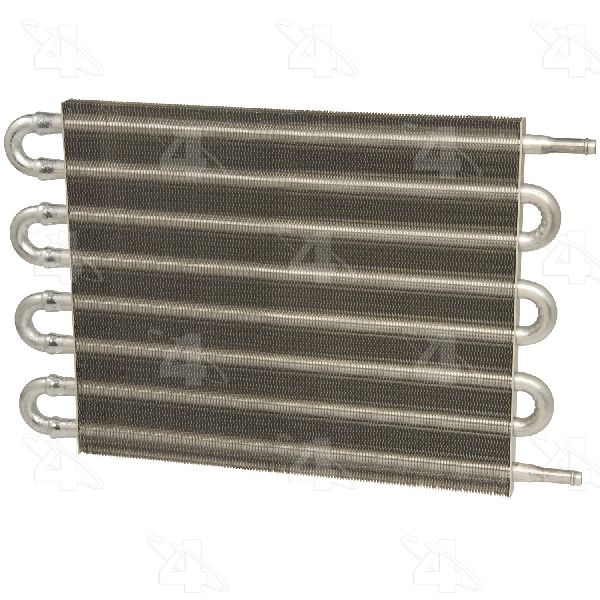
- Four Seasons: This brand is known for a wide variety of climate control and cooling parts. While they are a major aftermarket supplier, they are mentioned less often specifically for transmission coolers in owner forums compared to Hayden.
Pro Tip: Given its strong reputation and frequent use by other Dodge van owners, Hayden is a solid and trusted choice for your B2500.
Estimated Replacement Costs
| Part/Service | Estimated Cost |
|---|---|
| New Aftermarket Cooler (Hayden, Four Seasons) | $51.93 - $104.66 |
| Shop Labor for Installation | $150 - $300 |
| Total Estimated Cost | $200 - $405 |
Cost estimates are for parts and labor and can vary by location and shop rates.
Frequently Asked Questions (FAQ)
Can I install a larger transmission cooler on my B2500?
Yes, and it's a great idea. Upgrading to a larger, more efficient aftermarket cooler is a popular modification for these vans, especially if you tow, carry heavy loads, or live in a hot climate. It's a cheap insurance policy for your transmission.
What kind of transmission fluid do I need after replacing the cooler?
For the 1995-1998 Dodge B2500, you will typically need an ATF+3 or ATF+4 type fluid. Always check your owner's manual to be certain. When you replace the cooler and lines, you will lose some fluid, so be prepared to top it off to the correct level.
Is replacing the transmission cooler a DIY job?
For someone with mechanical experience, yes. The job involves disconnecting the old lines, unbolting the cooler, and installing the new one. However, the quick-disconnect fittings on the lines can be tricky, and dealing with transmission fluid can be messy. If you're not comfortable, a professional mechanic can do the job in 1.5 to 2.5 hours.
What was the 1997 transmission cooler recall about?
The recall (NHTSA Campaign 97V080000) was for the plastic connector that holds the cooler line to the transmission. Under high heat, it could melt and allow the line to pop off. The fix was a new connector with a metal retainer. While most vans should have been fixed, it's a known weak point in the system.
Technical Specifications
Recall for connector fittings under NHTSA Campaign 97V080000. Aftermarket coolers are typically of a 'plate and fin' or 'tube and fin' design. Plate and fin is generally considered more efficient.
We Have This Part in Stock

The information in this article is provided for general reference and educational purposes only. Vehicle specifications, procedures, and part compatibility can vary by production date, trim level, and region. Always consult your vehicle's factory service manual and verify part numbers before purchasing or performing repairs. Safety-critical components such as airbags, seat belts, and braking systems should be installed by a qualified professional.
- Dodge B2500: